
The Crucial Role of Graphite Boats in Modern Metallurgical Practices
Apr 11,2026
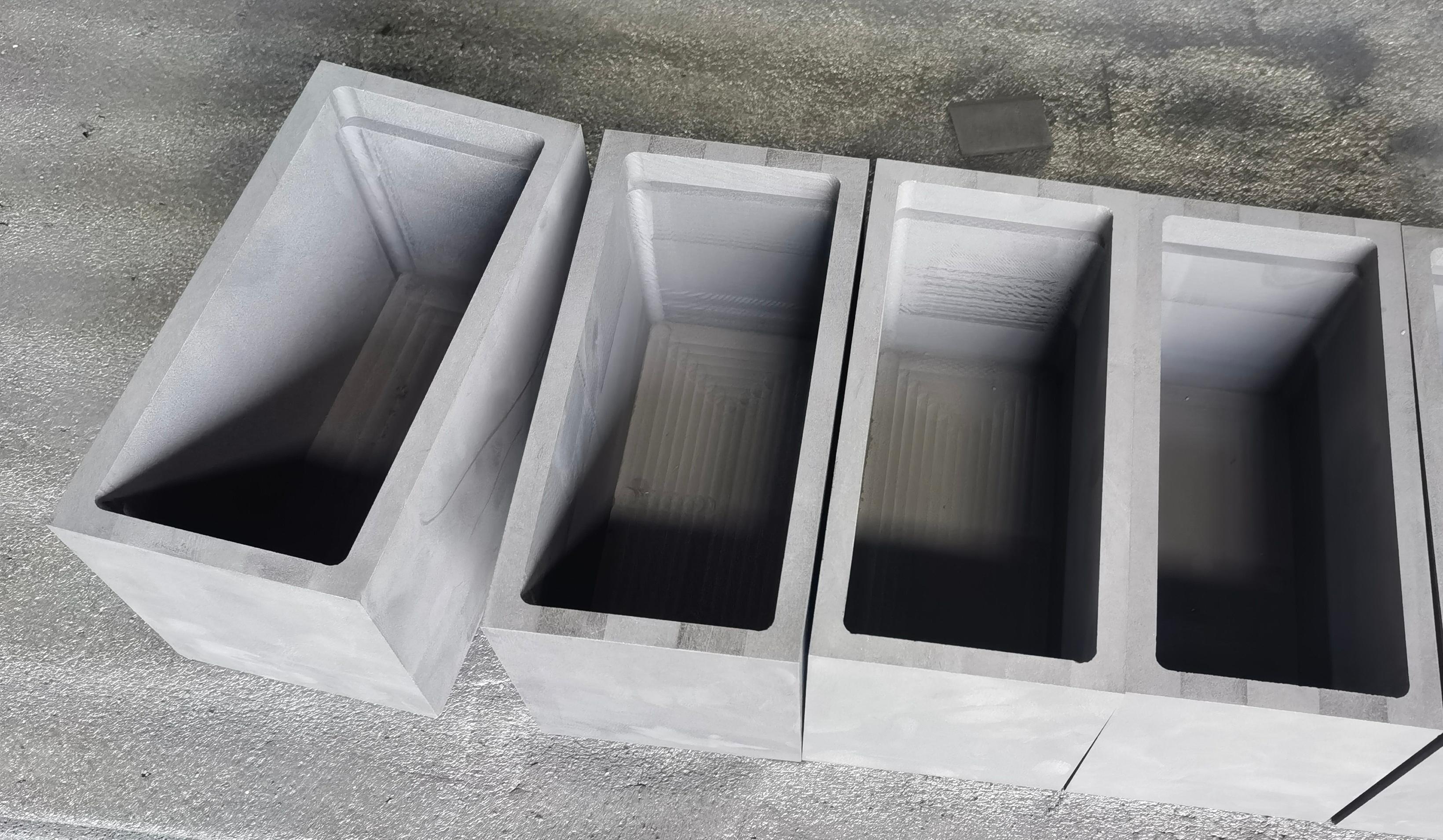
The Crucial Role of Graphite Boats in Modern Metallurgical Practices
Table of Contents
- 1. Introduction to Graphite Boats in Metallurgy
- 2. What Are Graphite Boats?
- 3. Applications of Graphite Boats in Metallurgy
- 4. Advantages of Using Graphite Boats
- 5. The Manufacturing Process of Graphite Boats
- 6. Innovations in Graphite Boat Technology
- 7. Sustainability and Graphite in the Metallurgical Industry
- 8. The Future of Graphite Boats in Metallurgy
- 9. FAQs About Graphite Boats
- 10. Conclusion
1. Introduction to Graphite Boats in Metallurgy
In the ever-evolving landscape of metallurgy, **graphite boats** have emerged as vital components in various processes, particularly those involving high-temperature applications. This article will explore the multifaceted role of graphite boats, examining their design, functionality, and significance in modern metallurgical practices. Understanding these elements is crucial for professionals and businesses engaged in metallurgy, non-metallic mineral products, and energy sectors.
2. What Are Graphite Boats?
Graphite boats are specialized containers made from high-purity graphite. They are designed to withstand extreme temperatures and corrosive environments, making them ideal for applications such as metal casting and thermal processes. Their unique properties, including thermal conductivity, resistance to thermal shock, and low expansion rates, allow graphite boats to perform effectively under intense conditions.
2.1 Composition and Properties
The primary material in graphite boats is **natural or synthetic graphite**, often combined with binders and additives to enhance performance. Key properties include:
- **High thermal conductivity**: Facilitates efficient heat transfer, making them suitable for processes like melting and holding molten metals.
- **Chemical resistance**: Ensures durability in corrosive environments, thereby extending the lifespan of the boats.
- **Low density**: Contributes to weight savings, which is particularly beneficial in large-scale operations.
3. Applications of Graphite Boats in Metallurgy
Graphite boats find extensive use across various metallurgical applications. Their versatility enables them to perform in numerous settings, from small-scale laboratories to large industrial operations.
3.1 Metal Casting
In metal casting, graphite boats serve as containers for molten metals. Their ability to withstand high temperatures without deforming ensures the integrity of the casting process.
3.2 Thermal Processes
For thermal processes such as sintering and annealing, graphite boats provide a stable environment for materials to undergo transformations. They support the efficient heating and cooling of materials, crucial for achieving desired properties.
3.3 Semiconductor Manufacturing
The semiconductor industry relies on graphite boats for processes like crystal growth and doping. Their purity and thermal properties are essential to ensure the quality of semiconductor materials.
4. Advantages of Using Graphite Boats
The use of graphite boats in metallurgical practices offers several advantages that enhance productivity and efficiency.
4.1 Cost-Effectiveness
While the initial investment in graphite boats may be higher than alternatives, their durability and longevity lead to lower total costs over time. Fewer replacements and reduced downtime contribute to overall cost savings.
4.2 Enhanced Performance
Graphite boats provide superior performance in high-temperature environments. Their thermal efficiency minimizes energy consumption, making them a sustainable choice for modern metallurgical practices.
4.3 Versatility
The adaptability of graphite boats allows them to be used in various applications, including casting, thermal treatment, and chemical processes. This versatility makes them an essential component in numerous industries.
5. The Manufacturing Process of Graphite Boats
The manufacturing of graphite boats involves several critical steps to ensure their quality and performance.
5.1 Material Selection
Choosing the right grade of graphite is essential. High-purity graphite is preferred for its superior properties, which directly influence the performance of the final product.
5.2 Molding Techniques
Graphite boats are typically formed using molding techniques such as compression molding or extrusion. These methods allow for precise control over the shape and density of the final product.
5.3 Curing and Finishing
After forming, the graphite boats undergo a curing process, which may involve heating to ensure the binder is properly set. Finishing processes, including machining and surface treatments, enhance the boats' performance characteristics.
6. Innovations in Graphite Boat Technology
Recent advancements in graphite boat technology are transforming their applications and performance.
6.1 Coatings and Treatments
Innovative coatings and surface treatments are being developed to enhance the thermal and chemical resistance of graphite boats. These advancements allow for longer lifespans and better performance in challenging environments.
6.2 Composite Materials
The integration of composite materials into the design of graphite boats is gaining traction. This approach can lead to improved mechanical properties while maintaining the thermal advantages of graphite.
7. Sustainability and Graphite in the Metallurgical Industry
Sustainability is increasingly important in the metallurgical industry. Graphite boats contribute to sustainable practices in several ways.
7.1 Recycling and Reusability
Graphite boats can often be recycled or repurposed, minimizing waste and promoting a circular economy. This aspect is particularly relevant in industries striving to reduce their environmental footprint.
7.2 Energy Efficiency
The high thermal efficiency of graphite boats leads to reduced energy consumption during metallurgical processes. This energy efficiency is a crucial factor in minimizing the overall environmental impact of operations.
8. The Future of Graphite Boats in Metallurgy
The future of graphite boats in the metallurgical sector looks promising as technology continues to evolve.
8.1 Advanced Research and Development
Ongoing research into new materials and manufacturing techniques is expected to yield even more efficient and durable graphite boats. Innovations in nanotechnology and composites may further enhance their properties.
8.2 Expanding Applications
As industries continue to innovate, the applications for graphite boats are likely to expand, including potential uses in renewable energy sectors and advanced material science.
9. FAQs About Graphite Boats
9.1 What materials are used to make graphite boats?
Graphite boats are primarily made from high-purity natural or synthetic graphite, often combined with various binders and additives.
9.2 How do graphite boats compare to other materials?
Graphite boats offer superior thermal conductivity, chemical resistance, and durability compared to many alternative materials, particularly in high-temperature applications.
9.3 Can graphite boats be recycled?
Yes, graphite boats can often be recycled or repurposed, contributing to sustainable practices within the industry.
9.4 What industries use graphite boats?
Graphite boats are utilized in various industries, including metallurgy, semiconductor manufacturing, and thermal processing.
9.5 How do you maintain graphite boats?
Proper maintenance involves regular inspections for wear and damage, careful handling to avoid impacts, and adherence to manufacturer guidelines for usage and storage.
10. Conclusion
Graphite boats play a **crucial role** in modern metallurgical practices, offering unparalleled advantages in high-temperature applications. As industries continue to innovate and adapt, the significance of these specialized containers will only grow. With ongoing advancements in materials and manufacturing processes, graphite boats are poised to remain integral to the metallurgical landscape, supporting efficiency, sustainability, and performance in a rapidly changing world. Understanding their role and potential will empower professionals to leverage their benefits, driving progress in the metallurgical industry.
Contact Us
E-mail:
Phone/WhatsApp:
+86 15711363051
Address:
Xingchuang International C912, Xinya Street No.15, Daxing District, Beijing, China



Contact
TEL: +8615711363051
EMAIL: sales@topflymaterial.com
ADD: Xingchuang International C912, Xinya Street No.15, Daxing District, Beijing, China