
Understanding Graphite Blocks: Their Role and Applications in Metallurgy
Apr 10,2026
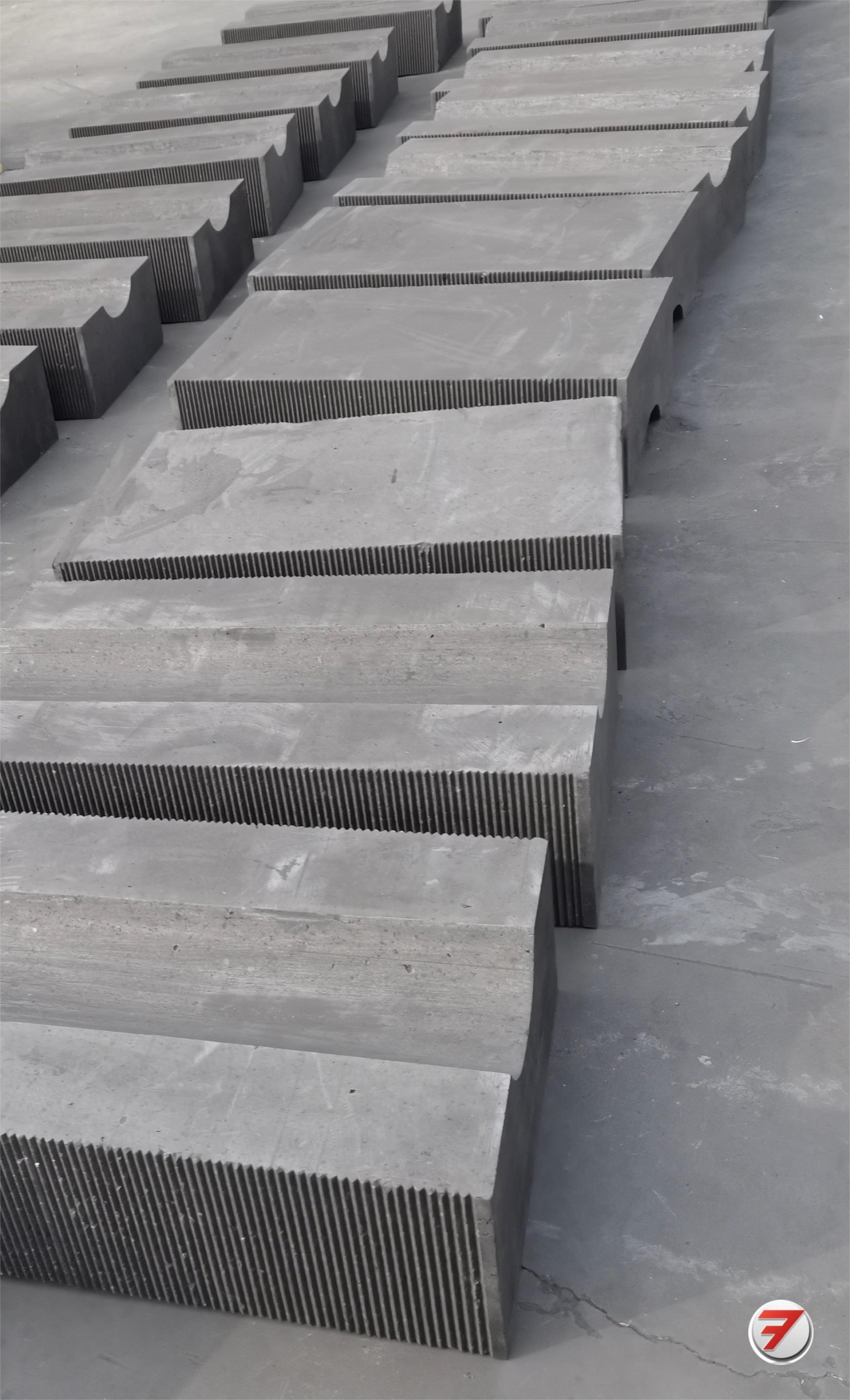
Graphite blocks are essential materials in the metallurgy and non-metallic mineral sectors, particularly in processes that require high thermal and electrical conductivity. Composed primarily of carbon, graphite blocks exhibit unique properties that make them suitable for a range of applications. Their crystalline structure provides excellent thermal stability, enabling them to withstand extreme temperatures without losing their integrity. This characteristic is crucial in industries where high heat management is necessary, such as in furnaces and kilns.
One of the primary uses of graphite blocks is in the production of electrodes, which are vital components in electric arc furnaces. These furnaces are commonly used in steelmaking and other metallurgical processes, where the efficient transfer of electrical energy into heat is critical. Graphite blocks, due to their excellent electrical conductivity, facilitate this transfer, making them an ideal choice for electrode manufacturing.
In addition to their role in steel production, graphite blocks are also utilized in the production of refractory materials. These materials are designed to withstand high temperatures and harsh chemical environments, making them indispensable in industries such as ceramics and glass manufacturing. The ability of graphite to endure thermal shock without cracking enhances the durability of these refractory products, thus improving overall operational efficiency.
Another significant application of graphite blocks lies in the renewable energy sector. They are increasingly being used in the manufacturing of batteries, particularly lithium-ion batteries, which are crucial for electric vehicles and energy storage systems. Graphite serves as an anode material, where its unique properties contribute to the performance and longevity of the batteries. This application is particularly noteworthy as the world shifts towards more sustainable energy solutions.
Moreover, graphite blocks are known for their lubricating properties. In certain industrial processes, they are used as lubricants to reduce friction and wear between machinery components. This not only enhances the efficiency of operations but also extends the lifespan of equipment, resulting in lower maintenance costs.
As the demand for energy-efficient and sustainable materials continues to rise, the importance of graphite blocks in various industries cannot be overstated. Their versatility, coupled with their unique physical and chemical properties, positions them as a critical component in modern industrial applications. Understanding the role of graphite blocks in metallurgy and beyond can provide insights into their significance in driving innovation and efficiency in numerous sectors.
One of the primary uses of graphite blocks is in the production of electrodes, which are vital components in electric arc furnaces. These furnaces are commonly used in steelmaking and other metallurgical processes, where the efficient transfer of electrical energy into heat is critical. Graphite blocks, due to their excellent electrical conductivity, facilitate this transfer, making them an ideal choice for electrode manufacturing.
In addition to their role in steel production, graphite blocks are also utilized in the production of refractory materials. These materials are designed to withstand high temperatures and harsh chemical environments, making them indispensable in industries such as ceramics and glass manufacturing. The ability of graphite to endure thermal shock without cracking enhances the durability of these refractory products, thus improving overall operational efficiency.
Another significant application of graphite blocks lies in the renewable energy sector. They are increasingly being used in the manufacturing of batteries, particularly lithium-ion batteries, which are crucial for electric vehicles and energy storage systems. Graphite serves as an anode material, where its unique properties contribute to the performance and longevity of the batteries. This application is particularly noteworthy as the world shifts towards more sustainable energy solutions.
Moreover, graphite blocks are known for their lubricating properties. In certain industrial processes, they are used as lubricants to reduce friction and wear between machinery components. This not only enhances the efficiency of operations but also extends the lifespan of equipment, resulting in lower maintenance costs.
As the demand for energy-efficient and sustainable materials continues to rise, the importance of graphite blocks in various industries cannot be overstated. Their versatility, coupled with their unique physical and chemical properties, positions them as a critical component in modern industrial applications. Understanding the role of graphite blocks in metallurgy and beyond can provide insights into their significance in driving innovation and efficiency in numerous sectors.
Contact Us
E-mail:
Phone/WhatsApp:
+86 15711363051
Address:
Xingchuang International C912, Xinya Street No.15, Daxing District, Beijing, China



Contact
TEL: +8615711363051
EMAIL: sales@topflymaterial.com
ADD: Xingchuang International C912, Xinya Street No.15, Daxing District, Beijing, China