
The Role of Molded Graphite in Advancing Energy Efficiency
Apr 09,2026
The Role of Molded Graphite in Advancing Energy Efficiency
Table of Contents
- Introduction to Molded Graphite
- Key Properties of Molded Graphite
- Applications of Molded Graphite in Energy Efficiency
- The Manufacturing Process of Molded Graphite
- Sustainability and Environmental Impact
- Future Trends in Molded Graphite Technology
- Challenges in Utilizing Molded Graphite
- Conclusion
- FAQs
Introduction to Molded Graphite
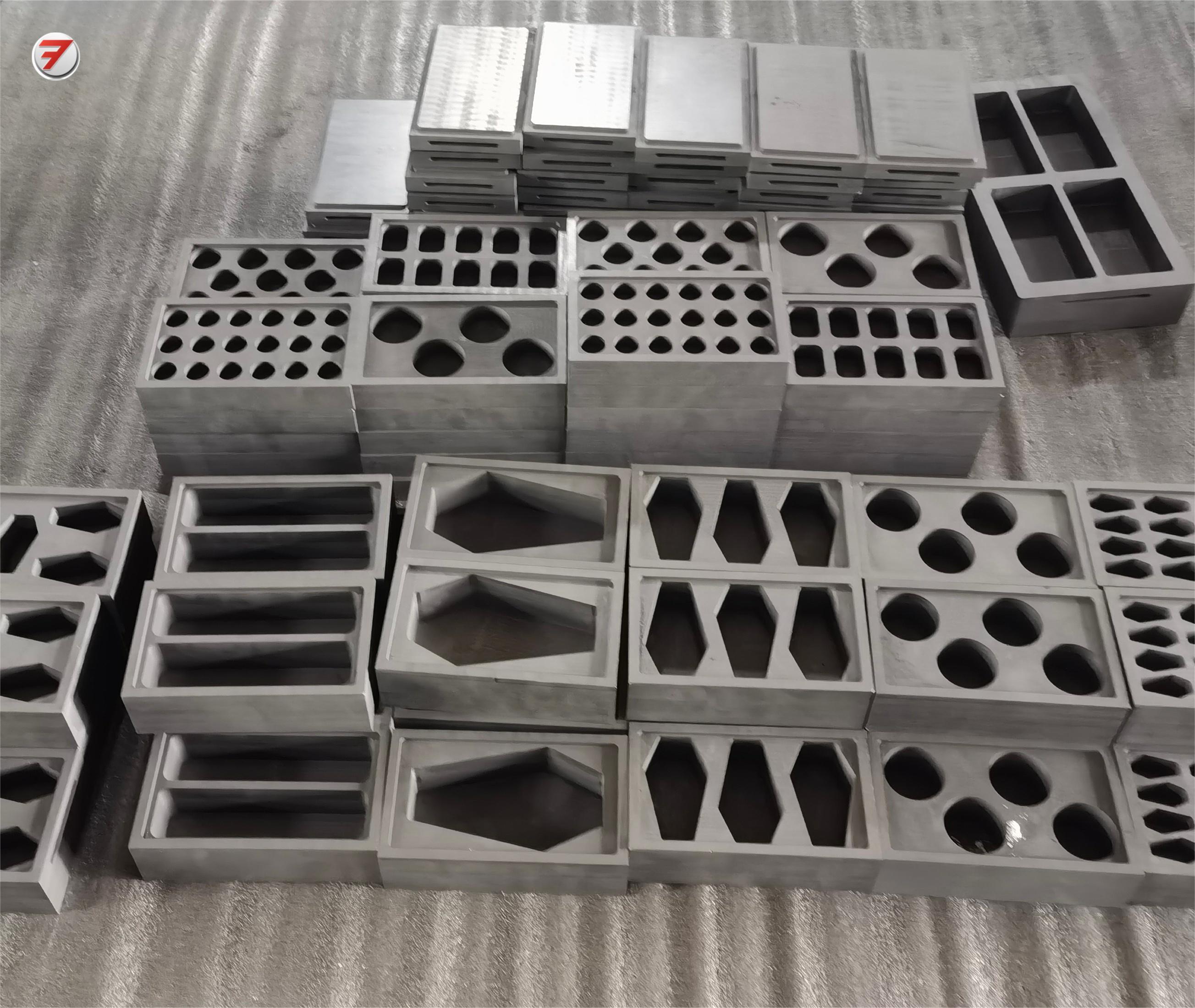
Molded graphite, a synthetic material known for its remarkable thermal and electrical conductivity, is becoming increasingly vital in the quest for energy efficiency. Traditionally used in various industrial applications, molded graphite is now playing a crucial role in advancing energy-saving technologies. Its unique properties enable it to withstand high temperatures, resist oxidation, and provide excellent lubrication, making it ideal for diverse applications that require energy efficiency.
Key Properties of Molded Graphite
Molded graphite boasts several properties that make it an outstanding material for energy efficiency:
High Thermal Conductivity
One of the most significant advantages of molded graphite is its **high thermal conductivity**. This property allows molded graphite to efficiently transfer heat, minimizing energy loss in processes where temperature control is critical.
Electrical Conductivity
Molded graphite is also an excellent electrical conductor, facilitating efficient energy transfer in electrical systems. This characteristic is especially beneficial in applications such as electric vehicles and energy storage systems, where quick energy transfer is essential for performance.
Heat Resistance
Molded graphite can withstand extreme temperatures without degrading, making it suitable for high-temperature applications in industries like power generation and manufacturing.
Chemical Resistance
The chemical stability of molded graphite ensures it can resist corrosion and degradation when exposed to various chemicals, enhancing its lifespan and reliability in energy applications.
Low Friction
Molded graphite exhibits low friction properties, making it an excellent lubricant in various mechanical systems. This reduces energy consumption and wear on components, contributing to overall energy efficiency.
Applications of Molded Graphite in Energy Efficiency
Molded graphite finds applications across numerous sectors, each contributing to enhanced energy efficiency.
Molded Graphite in Power Generation
In power generation, molded graphite is utilized in components such as **graphite heat exchangers** and **boiler systems**. These components benefit from molded graphite's thermal conductivity, which improves heat transfer efficiency and reduces energy consumption. The use of molded graphite in turbine blades and seals also enhances the performance and lifespan of these critical components.
Role in Energy Storage Solutions
Energy storage systems are essential for managing the intermittent nature of renewable energy sources. Molded graphite is increasingly used in **lithium-ion batteries** and **supercapacitors**, where its excellent conductivity facilitates faster charging and discharging. This efficiency leads to longer battery life and improved overall performance, crucial for renewable energy applications.
Impact on Electric Vehicles
The automotive industry is experiencing a transformation with the rise of electric vehicles (EVs). Molded graphite plays a significant role in **EV battery technology** by enhancing the thermal management of battery packs. Efficient heat dissipation helps maintain optimal operating temperatures, thereby improving battery efficiency and lifespan. Additionally, the lightweight nature of molded graphite contributes to reducing the overall weight of electric vehicles, further enhancing their energy efficiency.
The Manufacturing Process of Molded Graphite
The production of molded graphite involves several key steps that ensure its quality and performance. The process typically includes:
Raw Material Selection
The first step is selecting high-quality carbon-based raw materials. These materials must exhibit the desired properties to ensure the final product meets industry standards.
Molding Process
The chosen raw materials are subjected to a molding process, where they are shaped into the desired form under high pressure. This step is crucial for achieving the specific characteristics needed for energy-efficient applications.
Sintering
After molding, the graphite components undergo a sintering process, which involves heating the shaped materials to a high temperature. This step solidifies the structure and enhances the material's density and strength.
Graphitization
The final step is graphitization, which transforms the carbon structure into a crystalline form of graphite, enhancing its electrical and thermal conductivity.
Sustainability and Environmental Impact
Molded graphite is not only a high-performance material but also contributes to sustainability. The efficient energy usage it promotes leads to lower greenhouse gas emissions across various industries. Moreover, the recycling potential of graphite is significant, allowing manufacturers to reclaim and reuse materials, reducing waste and environmental impact.
Future Trends in Molded Graphite Technology
As the demand for energy efficiency continues to grow, molded graphite technology is set to evolve. Some future trends include:
Advanced Composite Materials
The development of advanced composites that incorporate molded graphite with other materials may lead to even better performance in energy applications, enhancing efficiency and durability.
Innovations in Battery Technology
Research into new battery technologies utilizing molded graphite could result in faster-charging, longer-lasting batteries, aligning with the increasing demand for energy-efficient solutions.
Smart Energy Systems
The integration of molded graphite into smart energy systems may lead to more efficient energy management, optimizing energy consumption across various sectors.
Challenges in Utilizing Molded Graphite
Despite its numerous advantages, there are challenges associated with the use of molded graphite:
Cost Factors
The production of high-quality molded graphite can be costly, impacting its adoption in price-sensitive markets.
Technical Limitations
Certain applications may experience limitations in performance, depending on the specific requirements of the system being designed.
Market Competition
As the material landscape evolves, competition from alternative materials may pose challenges for the molded graphite industry. Manufacturers must continuously innovate to maintain a competitive edge.
Conclusion
Molded graphite is undeniably a game-changer in advancing energy efficiency across various industries. Its exceptional properties, coupled with diverse applications in power generation, energy storage, and electric vehicles, position it as a critical material for the future. As technology continues to evolve, molded graphite will play an essential role in driving sustainable innovations and enhancing performance in energy-efficient systems.
FAQs
1. What is molded graphite?
Molded graphite is a synthetic material known for its high thermal and electrical conductivity, commonly used in applications requiring energy efficiency.
2. How is molded graphite manufactured?
The manufacturing process involves selecting raw materials, molding them under high pressure, sintering, and graphitization to enhance their properties.
3. What are the key applications of molded graphite?
Molded graphite is used in power generation, energy storage solutions, and electric vehicles, significantly improving energy efficiency in these sectors.
4. Is molded graphite environmentally friendly?
Yes, molded graphite contributes to sustainability by promoting energy efficiency and offering significant recycling potential.
5. What challenges does the molded graphite industry face?
The industry faces challenges such as cost factors, technical limitations, and market competition from alternative materials.
Contact Us
E-mail:
Phone/WhatsApp:
+86 15711363051
Address:
Xingchuang International C912, Xinya Street No.15, Daxing District, Beijing, China



Contact
TEL: +8615711363051
EMAIL: sales@topflymaterial.com
ADD: Xingchuang International C912, Xinya Street No.15, Daxing District, Beijing, China