
Understanding Isostatic Graphite: Properties, Applications, and Benefits
Apr 08,2026
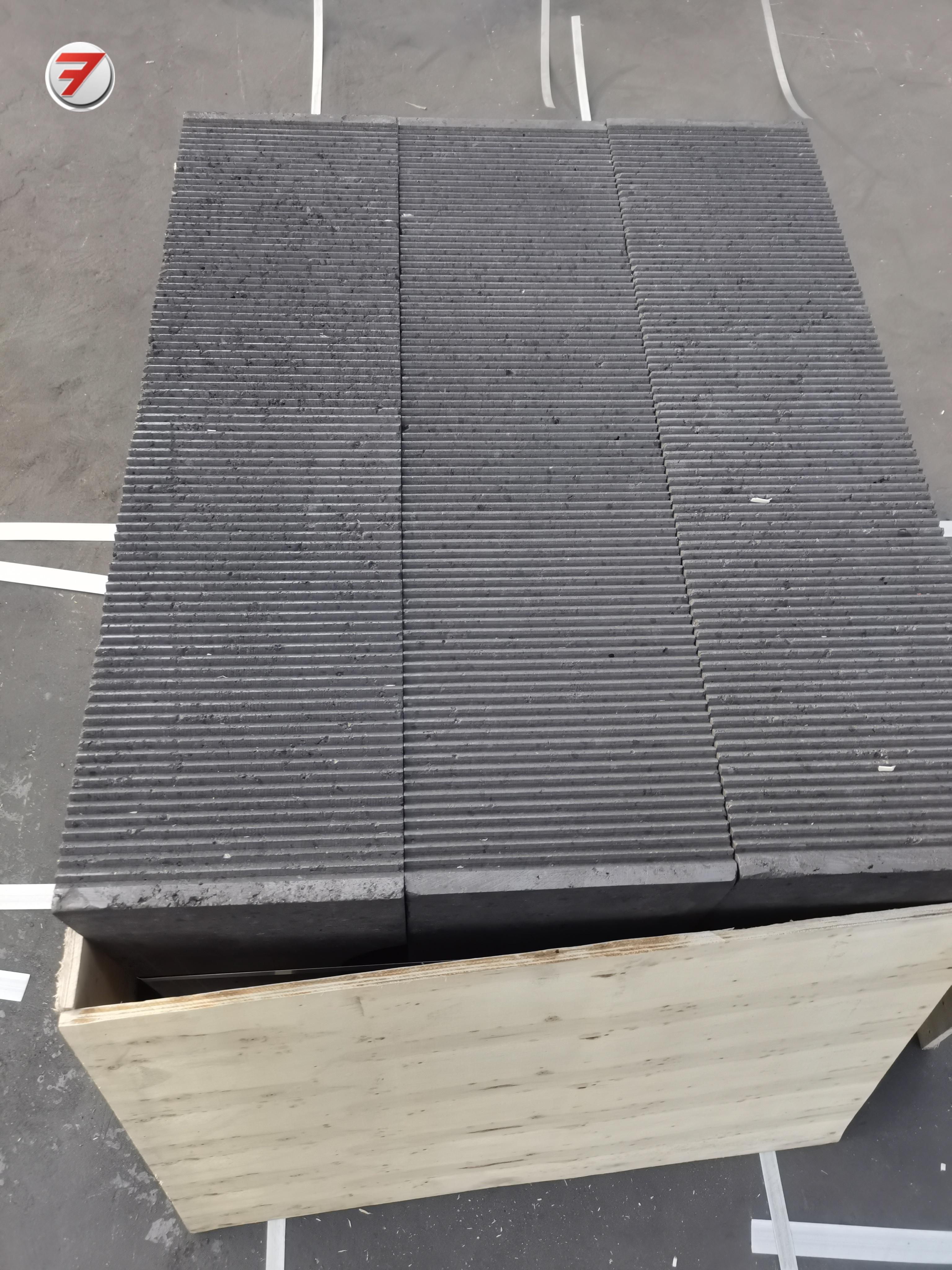
Isostatic graphite is a specialized form of graphite that is known for its exceptional properties, making it highly sought after in a variety of applications. Unlike conventional graphite, which can have anisotropic properties (meaning its characteristics vary depending on the direction of measurement), isostatic graphite is produced through a unique process that ensures homogeneity in its structure. This results in isotropic properties, giving isostatic graphite consistent performance in all directions.
The manufacturing process of isostatic graphite typically involves the use of a method called isostatic pressing. In this process, a mixture of fine graphite powder and a binding agent is subjected to high pressure in a mold. This pressure is applied uniformly from all directions, which results in a dense and uniform material. After pressing, the material is often subjected to high-temperature treatment to enhance its properties further. The resulting product boasts a very low coefficient of thermal expansion, excellent electrical conductivity, and outstanding resistance to thermal shock.
Due to these remarkable properties, isostatic graphite finds extensive use in many industries. In the metallurgical sector, it is often utilized in the manufacturing of electrodes for electric arc furnaces, which are crucial for melting metals. Its ability to withstand high temperatures and resist wear makes it an ideal choice for such demanding applications.
Moreover, isostatic graphite plays a significant role in the energy sector, especially in the production of nuclear reactors. The material's thermal conductivity and ability to endure extreme environments make it a valuable component in various reactor designs. Additionally, it is used in the aerospace industry for components that require lightweight yet durable materials, such as heat shields and nozzles.
In the realm of non-metallic mineral products, isostatic graphite is also favored for its versatility. It can be used in the production of high-performance lubricants, batteries, and even in the art of sculpting and manufacturing precision parts. Its lightweight nature combined with high strength allows for innovative designs and applications that would be challenging to achieve with other materials.
In conclusion, isostatic graphite is a vital material in the metallurgy and non-metallic mineral sectors, thanks to its unique production process and isotropic properties. Its wide range of applications, from industrial manufacturing to energy solutions, highlights its significance in modern technology. Understanding isostatic graphite not only opens doors to innovative applications but also underscores its importance in advancing various industries.
The manufacturing process of isostatic graphite typically involves the use of a method called isostatic pressing. In this process, a mixture of fine graphite powder and a binding agent is subjected to high pressure in a mold. This pressure is applied uniformly from all directions, which results in a dense and uniform material. After pressing, the material is often subjected to high-temperature treatment to enhance its properties further. The resulting product boasts a very low coefficient of thermal expansion, excellent electrical conductivity, and outstanding resistance to thermal shock.
Due to these remarkable properties, isostatic graphite finds extensive use in many industries. In the metallurgical sector, it is often utilized in the manufacturing of electrodes for electric arc furnaces, which are crucial for melting metals. Its ability to withstand high temperatures and resist wear makes it an ideal choice for such demanding applications.
Moreover, isostatic graphite plays a significant role in the energy sector, especially in the production of nuclear reactors. The material's thermal conductivity and ability to endure extreme environments make it a valuable component in various reactor designs. Additionally, it is used in the aerospace industry for components that require lightweight yet durable materials, such as heat shields and nozzles.
In the realm of non-metallic mineral products, isostatic graphite is also favored for its versatility. It can be used in the production of high-performance lubricants, batteries, and even in the art of sculpting and manufacturing precision parts. Its lightweight nature combined with high strength allows for innovative designs and applications that would be challenging to achieve with other materials.
In conclusion, isostatic graphite is a vital material in the metallurgy and non-metallic mineral sectors, thanks to its unique production process and isotropic properties. Its wide range of applications, from industrial manufacturing to energy solutions, highlights its significance in modern technology. Understanding isostatic graphite not only opens doors to innovative applications but also underscores its importance in advancing various industries.
Contact Us
E-mail:
Phone/WhatsApp:
+86 15711363051
Address:
Xingchuang International C912, Xinya Street No.15, Daxing District, Beijing, China



Contact
TEL: +8615711363051
EMAIL: sales@topflymaterial.com
ADD: Xingchuang International C912, Xinya Street No.15, Daxing District, Beijing, China