
Isostatic Graphite: The Key to Unlocking High-Performance Carbon Products
Apr 01,2026
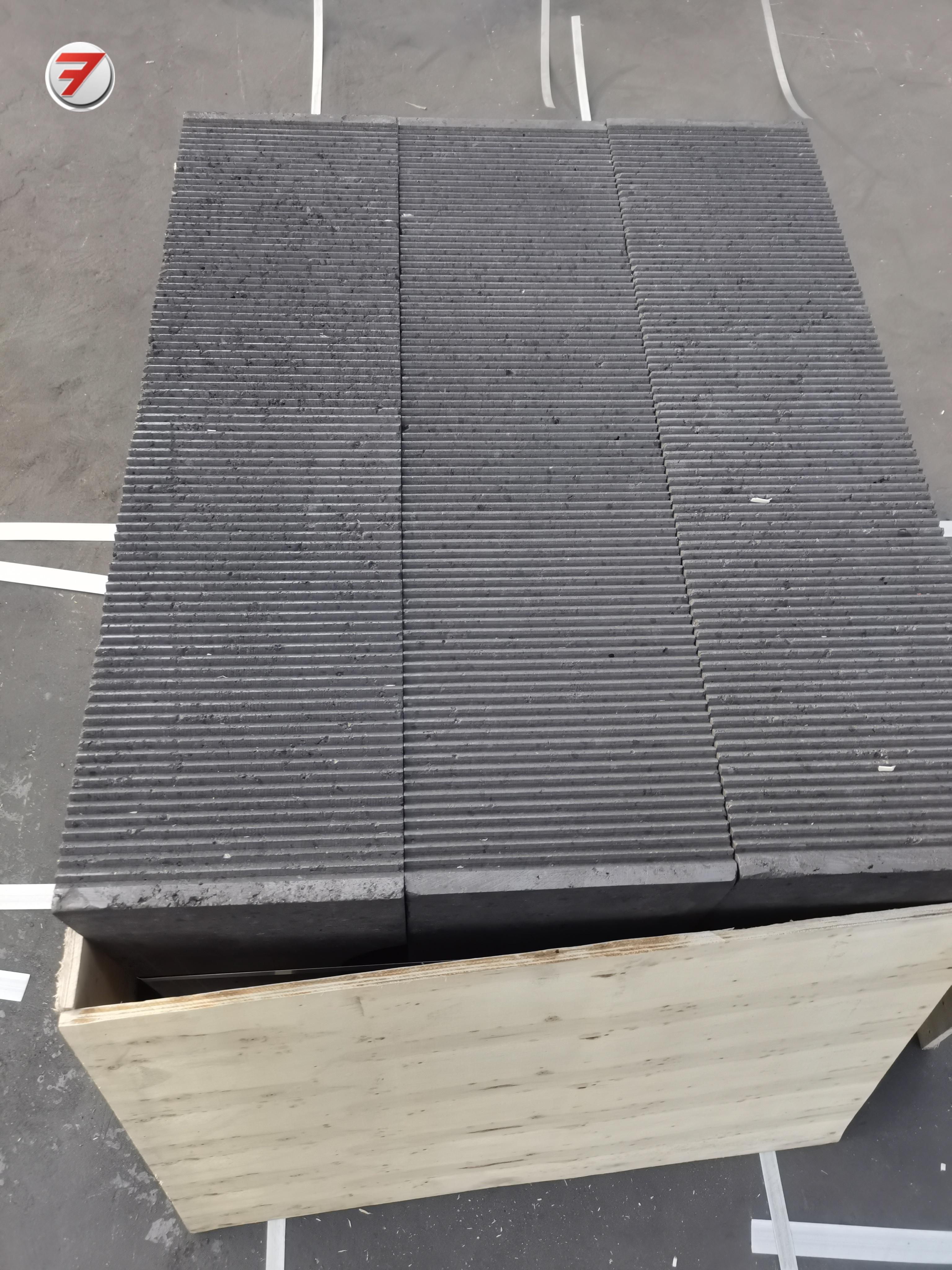
Isostatic Graphite: The Key to High-Performance Carbon Products
Table of Contents
- 1. Introduction to Isostatic Graphite
- 2. What is Isostatic Graphite?
- 3. The Production Process of Isostatic Graphite
- 4. Unique Properties of Isostatic Graphite
- 5. Applications of Isostatic Graphite in Various Industries
- 6. Advantages of Using Isostatic Graphite
- 7. Isostatic Graphite vs. Other Graphite Types
- 8. The Future of Isostatic Graphite in Technology
- 9. Frequently Asked Questions
- 10. Conclusion
1. Introduction to Isostatic Graphite
In the world of carbon-based materials, **isostatic graphite** has emerged as a pivotal innovation, particularly in high-performance applications. Its unique properties make it a material of choice for industries that demand exceptional performance, durability, and versatility. In this article, we will explore the intricacies of isostatic graphite, from its definition and production processes to its diverse applications and future potentials.
2. What is Isostatic Graphite?
Isostatic graphite is a type of high-density graphite that is produced using a specialized method called **isostatic pressing**. Unlike traditional graphite, which is created through standard molding processes, isostatic graphite undergoes pressure uniformly from all directions, resulting in a product that possesses enhanced structural integrity and consistency.
This process begins with the mixing of fine graphite powder with a binding agent, typically a resin. The mixture is then placed into a flexible mold and subjected to high pressure in a hydraulic press. The result is a highly uniform material with minimal porosity, making it ideal for various demanding applications.
3. The Production Process of Isostatic Graphite
The production of isostatic graphite involves several key stages that contribute to its superior qualities:
3.1 Raw Material Selection
The quality of isostatic graphite starts with selecting high-quality raw materials. Fine graphite powders, usually sourced from natural or synthetic origins, are chosen for their purity and particle size.
3.2 Mixing and Molding
The graphite powder is mixed with a binding agent to create a homogenous paste. This mixture is then placed into a flexible mold that allows for uniform pressure application during the next phase.
3.3 Isostatic Pressing
The heart of the production process is isostatic pressing. The mold is subjected to high pressure from all sides, enabling the graphite particles to densify uniformly. This process results in a product with excellent density and mechanical properties.
3.4 Heat Treatment
After pressing, the molded graphite undergoes heat treatment to cure the binding agent and enhance the material's structural integrity. This step also helps in eliminating any residual moisture, ensuring the final product's performance.
3.5 Machining and Finishing
Finally, the isostatic graphite is machined to achieve desired dimensions and surface finishes, making it ready for various industrial applications.
4. Unique Properties of Isostatic Graphite
Isostatic graphite possesses a range of unique properties that distinguish it from other forms of graphite:
4.1 High Purity
Isostatic graphite boasts a high level of purity, which is critical for applications requiring low impurity levels to maintain performance.
4.2 Excellent Thermal Conductivity
With superior thermal conductivity, isostatic graphite efficiently dissipates heat, making it ideal for use in high-temperature applications.
4.3 Low Coefficient of Thermal Expansion
This graphite type undergoes minimal expansion under heat, maintaining its dimensional stability in extreme conditions.
4.4 High Mechanical Strength
Isostatic graphite exhibits exceptional mechanical strength, allowing it to withstand significant stress without deformation.
4.5 Chemical Resistance
Highly resistant to chemical attack, isostatic graphite is suitable for environments with corrosive substances, enhancing its longevity in various applications.
5. Applications of Isostatic Graphite in Various Industries
Isostatic graphite is utilized in a wide range of industries due to its impressive properties. Here are some of the most notable applications:
5.1 Aerospace Industry
In aerospace, isostatic graphite is used in components such as thrust chambers, rocket nozzles, and heat shields, where high thermal resistance and low weight are crucial.
5.2 Electronics
The electronics sector employs isostatic graphite in heat sinks, electrical contacts, and resistors, leveraging its excellent conductivity and heat dissipation capabilities.
5.3 Nuclear Energy
Isostatic graphite serves as a core material in nuclear reactors, providing stability and safety under extreme conditions.
5.4 Automotive Industry
In automotive applications, isostatic graphite is used in brake pads and friction materials, delivering enhanced performance and durability.
5.5 Medical Devices
The medical field employs isostatic graphite in imaging devices and surgical tools, where precision and reliability are paramount.
6. Advantages of Using Isostatic Graphite
The advantages of isostatic graphite make it a highly sought-after material in various applications:
6.1 Superior Performance
Isostatic graphite’s outstanding mechanical and thermal properties ensure superior performance in high-stress environments.
6.2 Customizability
The production process allows for easy customization in terms of shapes, sizes, and features, catering to specific industry needs.
6.3 Longevity
With its high resistance to wear and chemical corrosion, isostatic graphite components often exhibit longer service life, reducing the need for frequent replacements.
6.4 Cost-Effectiveness
Though initially more expensive than some alternatives, the durability and performance of isostatic graphite can lead to lower overall costs in industrial applications.
7. Isostatic Graphite vs. Other Graphite Types
Understanding how isostatic graphite compares to other types of graphite is essential for making informed choices in material selection:
7.1 Traditional Graphite
Traditional graphite is often produced through standard molding and has varying density and properties. In contrast, isostatic graphite provides uniformity and superior performance.
7.2 Extruded Graphite
Extruded graphite is produced through a different process, resulting in a material with lower density and possibly inferior properties compared to isostatic graphite.
7.3 Molded Graphite
While molded graphite offers some benefits, isostatic graphite’s superior mechanical strength and thermal properties give it a clear advantage in demanding applications.
8. The Future of Isostatic Graphite in Technology
As industries continue to evolve, the future of isostatic graphite looks promising. Innovations in production methods and applications are expected, particularly as the demand for high-performance materials grows. The rise of electric vehicles, renewable energy technologies, and advanced aerospace components will likely drive further developments in isostatic graphite.
9. Frequently Asked Questions
9.1 What makes isostatic graphite different from regular graphite?
Isostatic graphite is produced using isostatic pressing, allowing for uniform density and superior mechanical properties compared to regular graphite.
9.2 What industries benefit from isostatic graphite?
Isostatic graphite is beneficial in various industries, including aerospace, electronics, nuclear energy, automotive, and medical devices.
9.3 Can isostatic graphite withstand high temperatures?
Yes, isostatic graphite exhibits excellent thermal stability, making it suitable for high-temperature applications.
9.4 Is isostatic graphite chemically resistant?
Absolutely! Isostatic graphite is highly resistant to chemical attacks, which enhances its longevity in harsh environments.
9.5 How is isostatic graphite produced?
Isostatic graphite is produced through a process involving raw material selection, mixing, isostatic pressing, heat treatment, and machining.
10. Conclusion
Isostatic graphite stands out as a crucial material in the realm of high-performance carbon products. Its unique production process and superior properties open doors to a multitude of applications across various industries. As technological advancements continue to shape the future, isostatic graphite is poised to play a significant role, ensuring performance and reliability in demanding environments. By recognizing the advantages and applications of isostatic graphite, businesses can harness its potential to drive innovation and enhance product performance.
Contact Us
E-mail:
Phone/WhatsApp:
+86 15711363051
Address:
Xingchuang International C912, Xinya Street No.15, Daxing District, Beijing, China



Contact
TEL: +8615711363051
EMAIL: sales@topflymaterial.com
ADD: Xingchuang International C912, Xinya Street No.15, Daxing District, Beijing, China