
Understanding RP Graphite Electrodes: Essential Components in Metallurgy
Mar 31,2026
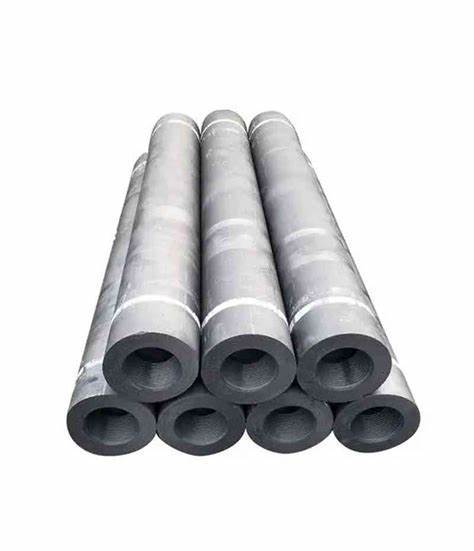
RP graphite electrodes are crucial components in the metallurgy and energy industries, particularly in steelmaking and other high-temperature applications. These electrodes are primarily made from petroleum coke and pitch and are used in electric arc furnaces (EAF) for producing steel and other metals. Their unique properties make them suitable for various industrial applications, ensuring efficient energy consumption and high performance.
One of the most notable characteristics of RP graphite electrodes is their thermal conductivity. This property allows them to efficiently conduct electricity and withstand high temperatures, which are common during the metallurgical processes. The ability to maintain structural integrity under extreme conditions ensures that the electrodes can perform optimally without significant wear or degradation.
Moreover, RP graphite electrodes exhibit excellent chemical resistance, which is vital in environments where they come into contact with molten metals and other reactive substances. Their resistance to oxidation and thermal shock facilitates a longer lifespan, thereby reducing the frequency of electrode replacements in industrial operations. This durability not only enhances productivity but also contributes to cost-effectiveness for businesses in the metallurgy sector.
In addition to their physical properties, RP graphite electrodes provide a high degree of flexibility in their applications. They can be produced in various sizes and shapes, tailored to meet specific operational needs. This versatility allows manufacturers to utilize these electrodes in various processes, including the production of ferroalloys and in the manufacturing of non-ferrous metals.
The use of RP graphite electrodes also aligns with the industry's growing focus on sustainability and environmental responsibility. As companies strive to minimize their carbon footprint, the efficiency of RP graphite electrodes in electric arc furnaces contributes to lower energy consumption and reduced greenhouse gas emissions during metal production. By transitioning to electric-based methods, industries can significantly decrease their reliance on fossil fuels, paving the way for a more sustainable future.
As technologies advance, the demand for RP graphite electrodes is expected to rise. Innovations in manufacturing processes and improvements in electrode quality will further enhance their effectiveness in metallurgical applications. Research and development in this field are actively exploring ways to optimize performance and introduce new materials that can complement the capabilities of RP graphite electrodes.
In summary, RP graphite electrodes play an integral role in the metallurgy and energy sectors, offering a combination of thermal conductivity, chemical resistance, and operational flexibility. Their contribution to energy-efficient practices and sustainability makes them indispensable in modern metal production processes. Understanding the properties and advantages of RP graphite electrodes can empower businesses to make informed decisions regarding their usage and application, ultimately driving innovation and efficiency in the industry.
One of the most notable characteristics of RP graphite electrodes is their thermal conductivity. This property allows them to efficiently conduct electricity and withstand high temperatures, which are common during the metallurgical processes. The ability to maintain structural integrity under extreme conditions ensures that the electrodes can perform optimally without significant wear or degradation.
Moreover, RP graphite electrodes exhibit excellent chemical resistance, which is vital in environments where they come into contact with molten metals and other reactive substances. Their resistance to oxidation and thermal shock facilitates a longer lifespan, thereby reducing the frequency of electrode replacements in industrial operations. This durability not only enhances productivity but also contributes to cost-effectiveness for businesses in the metallurgy sector.
In addition to their physical properties, RP graphite electrodes provide a high degree of flexibility in their applications. They can be produced in various sizes and shapes, tailored to meet specific operational needs. This versatility allows manufacturers to utilize these electrodes in various processes, including the production of ferroalloys and in the manufacturing of non-ferrous metals.
The use of RP graphite electrodes also aligns with the industry's growing focus on sustainability and environmental responsibility. As companies strive to minimize their carbon footprint, the efficiency of RP graphite electrodes in electric arc furnaces contributes to lower energy consumption and reduced greenhouse gas emissions during metal production. By transitioning to electric-based methods, industries can significantly decrease their reliance on fossil fuels, paving the way for a more sustainable future.
As technologies advance, the demand for RP graphite electrodes is expected to rise. Innovations in manufacturing processes and improvements in electrode quality will further enhance their effectiveness in metallurgical applications. Research and development in this field are actively exploring ways to optimize performance and introduce new materials that can complement the capabilities of RP graphite electrodes.
In summary, RP graphite electrodes play an integral role in the metallurgy and energy sectors, offering a combination of thermal conductivity, chemical resistance, and operational flexibility. Their contribution to energy-efficient practices and sustainability makes them indispensable in modern metal production processes. Understanding the properties and advantages of RP graphite electrodes can empower businesses to make informed decisions regarding their usage and application, ultimately driving innovation and efficiency in the industry.
Contact Us
E-mail:
Phone/WhatsApp:
+86 15711363051
Address:
Xingchuang International C912, Xinya Street No.15, Daxing District, Beijing, China



Contact
TEL: +8615711363051
EMAIL: sales@topflymaterial.com
ADD: Xingchuang International C912, Xinya Street No.15, Daxing District, Beijing, China