
Maximizing Efficiency with Graphite Boats in High-Temperature Processes
Mar 28,2026
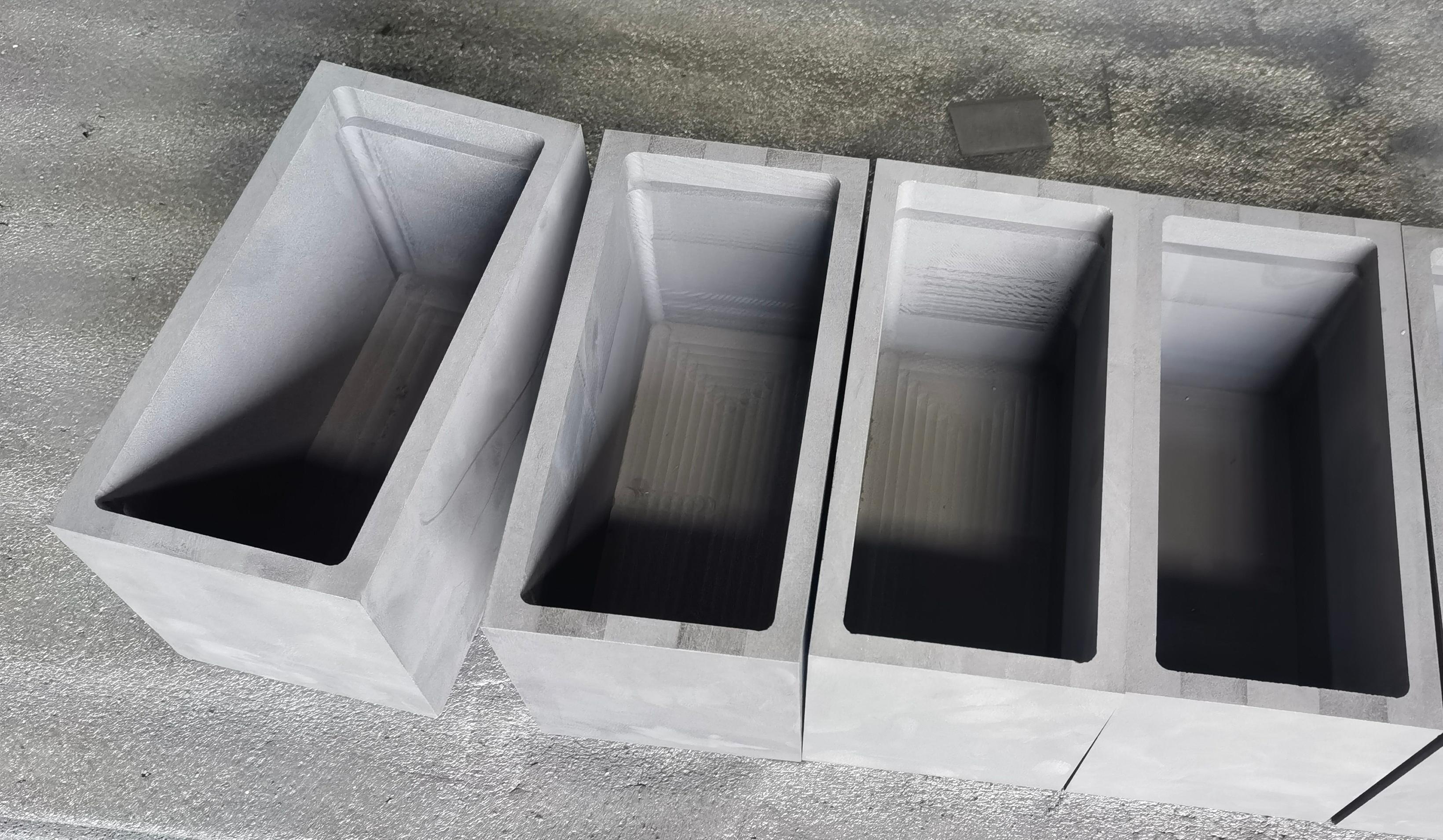
Maximizing Efficiency with Graphite Boats in High-Temperature Processes
Table of Contents
- 1. Introduction to Graphite Boats
- 2. Applications of Graphite Boats in High-Temperature Processes
- 3. Key Benefits of Using Graphite Boats
- 4. Material Properties of Graphite and Carbon Products
- 5. Design Considerations for Optimal Performance
- 6. Best Practices for Using Graphite Boats
- 7. Case Studies: Successful Implementations
- 8. Future Trends in Graphite Boat Technology
- 9. Frequently Asked Questions
- 10. Conclusion
1. Introduction to Graphite Boats
Graphite boats are essential components in various high-temperature processes, particularly in the metallurgy and energy sectors. Their unique properties make them ideal for applications that require durability and resistance to extreme conditions. By utilizing graphite boats, industries can significantly enhance their operational efficiency, reduce costs, and improve the overall quality of their final products. This article explores the applications, benefits, and best practices for maximizing efficiency with graphite boats in high-temperature processes.
2. Applications of Graphite Boats in High-Temperature Processes
Graphite boats find extensive use in several high-temperature applications, including:
2.1. Melting and Casting
In the metallurgical industry, graphite boats serve as containers for melting metals and alloys. Their high thermal conductivity ensures even heating, which is crucial for achieving desired melting points and minimizing energy consumption.
2.2. Sintering Processes
In ceramics and metal sintering, graphite boats provide a stable environment for the material being processed. Their resistance to thermal shock ensures that the sintering occurs uniformly, resulting in higher-quality products.
2.3. Chemical Processes
Graphite boats are also utilized in chemical processes that involve high temperatures and corrosive materials. Their chemical resistance helps maintain the integrity of the materials being processed, ensuring safe and efficient operations.
3. Key Benefits of Using Graphite Boats
The advantages of using graphite boats are numerous:
3.1. High Thermal Conductivity
Graphite's exceptional thermal conductivity allows for efficient heat transfer, reducing energy costs and enhancing melting and processing times.
3.2. Resistance to Thermal Shock
Graphite boats can withstand rapid temperature changes without cracking or breaking, making them ideal for processes that require fluctuating temperatures.
3.3. Corrosion Resistance
Graphite is inherently resistant to many chemical reactions, contributing to longer service life and decreased maintenance costs.
3.4. Lightweight and Easy to Handle
Compared to alternative materials, graphite boats are lightweight. This feature simplifies handling and installation, which can lead to increased productivity.
4. Material Properties of Graphite and Carbon Products
Understanding the properties of graphite and carbon products is crucial for optimizing their use in high-temperature applications:
4.1. Structural Integrity
Graphite possesses a layered structure that provides strength while maintaining flexibility, making it suitable for various design applications.
4.2. High Melting Point
Graphite has a melting point above 3000°C, allowing it to perform effectively in extreme environments without compromising its structure.
4.3. Reducing Oxidation
When properly treated, graphite boats can significantly reduce oxidation, ensuring better performance in high-oxygen environments.
5. Design Considerations for Optimal Performance
To maximize the effectiveness of graphite boats, several design considerations should be taken into account:
5.1. Size and Shape
The size and shape of the graphite boat should be tailored to the specific application it will serve. Proper dimensions ensure optimal heat distribution and material retention.
5.2. Thickness
The thickness of the graphite boat impacts its thermal conductivity and resistance to wear. A careful balance must be struck to ensure durability without sacrificing performance.
5.3. Customization Options
Many manufacturers offer customization options that can enhance the performance of graphite boats for specific applications. This may include coatings or treatments to improve their properties.
6. Best Practices for Using Graphite Boats
To ensure successful implementation of graphite boats, consider the following best practices:
6.1. Proper Installation
Ensure that the graphite boats are installed correctly to avoid misalignment or damage during operation. Follow manufacturer guidelines for optimal results.
6.2. Temperature Monitoring
Implement temperature monitoring systems to track the performance of graphite boats during high-temperature processes. This will help identify potential issues before they escalate.
6.3. Regular Maintenance
Even though graphite boats are durable, routine maintenance can prolong their lifespan. Inspect and clean the boats regularly to avoid build-up of materials.
7. Case Studies: Successful Implementations
Examining case studies can provide valuable insights into the effective use of graphite boats:
7.1. Automotive Industry
In the automotive sector, a leading manufacturer implemented graphite boats for their metal casting processes. This switch resulted in a 20% reduction in energy usage and improved product quality.
7.2. Aerospace Applications
An aerospace company utilized graphite boats in their high-temperature sintering processes. The outcome was a notable decrease in production time and enhanced material performance.
8. Future Trends in Graphite Boat Technology
Looking ahead, several trends are shaping the future of graphite boat technology:
8.1. Advanced Materials
Research into advanced composite materials could lead to the development of next-generation graphite boats that offer even better performance and durability.
8.2. Automation and Monitoring
The growing trend towards automation will likely lead to enhanced monitoring systems for graphite boats, allowing for real-time data collection and analysis.
8.3. Sustainability Initiatives
As industries focus on sustainability, the demand for eco-friendly graphite materials and recycling processes will likely increase, pushing innovation within the sector.
9. Frequently Asked Questions
9.1. What are graphite boats used for?
Graphite boats are used primarily for melting, casting, and sintering materials in high-temperature environments.
9.2. How do graphite boats compare to metal containers?
Graphite boats offer superior thermal conductivity and resistance to thermal shock, making them more suitable for extreme conditions compared to metal containers.
9.3. Can graphite boats be customized for specific applications?
Yes, many manufacturers provide customization options for graphite boats to meet the specific needs of various applications.
9.4. What maintenance is required for graphite boats?
Regular cleaning and inspection are recommended to ensure optimal performance and prolong the lifespan of graphite boats.
9.5. Are there any limitations to using graphite boats?
While graphite boats are highly durable, they may not be suitable for every application, particularly those involving corrosive environments unless properly treated.
10. Conclusion
Incorporating graphite boats into high-temperature processes can significantly enhance efficiency, reduce costs, and improve product quality. By understanding their applications, benefits, and best practices, industries can leverage these innovative materials to stay competitive in a rapidly evolving market. As technology progresses, the potential for graphite boat applications will continue to expand, promising a future filled with exciting possibilities. Embracing these advancements can lead to significant operational improvements and sustainable practices in metallurgy and energy sectors.
Contact Us
E-mail:
Phone/WhatsApp:
+86 15711363051
Address:
Xingchuang International C912, Xinya Street No.15, Daxing District, Beijing, China



Contact
TEL: +8615711363051
EMAIL: sales@topflymaterial.com
ADD: Xingchuang International C912, Xinya Street No.15, Daxing District, Beijing, China