
Understanding Graphite Blocks: Essential Insights for the Metallurgy and Non-Metallic Minerals Industry
Mar 27,2026
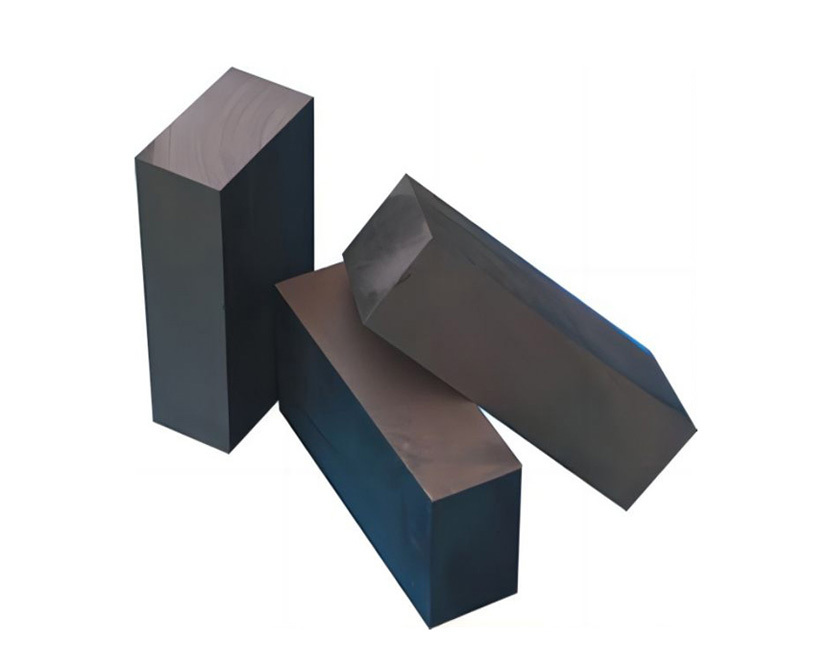
Graphite blocks are a vital component in the metallurgy and non-metallic minerals industry, especially in the context of mineral production and energy applications. These blocks, composed primarily of carbon, exhibit excellent thermal and electrical conductivity, making them suitable for a wide range of industrial uses. One of the most significant attributes of graphite blocks is their ability to withstand high temperatures without deforming, which is essential for applications in furnaces and kilns.
In metallurgical processes, graphite blocks serve multiple purposes. They are often utilized as crucibles for melting metals due to their ability to resist oxidation and retain high temperatures. Their exceptional thermal stability ensures that they can handle the intense heat generated during metalworking processes, thus improving efficiency and productivity.
Moreover, graphite blocks possess remarkable lubrication properties, which can be advantageous in various machinery and equipment. When used as a lubricant, graphite minimizes friction between moving parts, reducing wear and tear and extending the lifespan of industrial machinery. This feature is particularly beneficial in industries where high-performance equipment is critical.
In the context of energy applications, graphite blocks are increasingly used in the production of batteries, particularly in lithium-ion batteries. Their electrical conductivity and stability at high temperatures make them ideal for use in energy storage solutions. As the demand for renewable energy sources grows, the role of graphite blocks in energy storage systems continues to expand, providing a reliable solution for improving battery performance.
Graphite blocks also contribute to environmental sustainability, as they can be sourced from natural deposits or synthesized. This versatility allows industries to adopt more sustainable practices while utilizing a material that is both efficient and durable. The potential for recycling graphite blocks further enhances their appeal, as it reduces waste and promotes a circular economy within the industry.
It is crucial for professionals in the metallurgy and non-metallic minerals sector to understand the various applications and benefits of graphite blocks. By leveraging the unique properties of this material, businesses can improve operational efficiency, enhance product quality, and contribute to sustainable practices in their processes. As industries continue to evolve, the importance of graphite blocks is expected to grow, making them an indispensable resource for metallurgical and energy applications. Embracing this knowledge can position companies to remain competitive in a rapidly changing market.
In metallurgical processes, graphite blocks serve multiple purposes. They are often utilized as crucibles for melting metals due to their ability to resist oxidation and retain high temperatures. Their exceptional thermal stability ensures that they can handle the intense heat generated during metalworking processes, thus improving efficiency and productivity.
Moreover, graphite blocks possess remarkable lubrication properties, which can be advantageous in various machinery and equipment. When used as a lubricant, graphite minimizes friction between moving parts, reducing wear and tear and extending the lifespan of industrial machinery. This feature is particularly beneficial in industries where high-performance equipment is critical.
In the context of energy applications, graphite blocks are increasingly used in the production of batteries, particularly in lithium-ion batteries. Their electrical conductivity and stability at high temperatures make them ideal for use in energy storage solutions. As the demand for renewable energy sources grows, the role of graphite blocks in energy storage systems continues to expand, providing a reliable solution for improving battery performance.
Graphite blocks also contribute to environmental sustainability, as they can be sourced from natural deposits or synthesized. This versatility allows industries to adopt more sustainable practices while utilizing a material that is both efficient and durable. The potential for recycling graphite blocks further enhances their appeal, as it reduces waste and promotes a circular economy within the industry.
It is crucial for professionals in the metallurgy and non-metallic minerals sector to understand the various applications and benefits of graphite blocks. By leveraging the unique properties of this material, businesses can improve operational efficiency, enhance product quality, and contribute to sustainable practices in their processes. As industries continue to evolve, the importance of graphite blocks is expected to grow, making them an indispensable resource for metallurgical and energy applications. Embracing this knowledge can position companies to remain competitive in a rapidly changing market.
Contact Us
E-mail:
Phone/WhatsApp:
+86 15711363051
Address:
Xingchuang International C912, Xinya Street No.15, Daxing District, Beijing, China



Contact
TEL: +8615711363051
EMAIL: sales@topflymaterial.com
ADD: Xingchuang International C912, Xinya Street No.15, Daxing District, Beijing, China