
Molded Graphite: A Key Component in High-Temperature Applications
Mar 26,2026
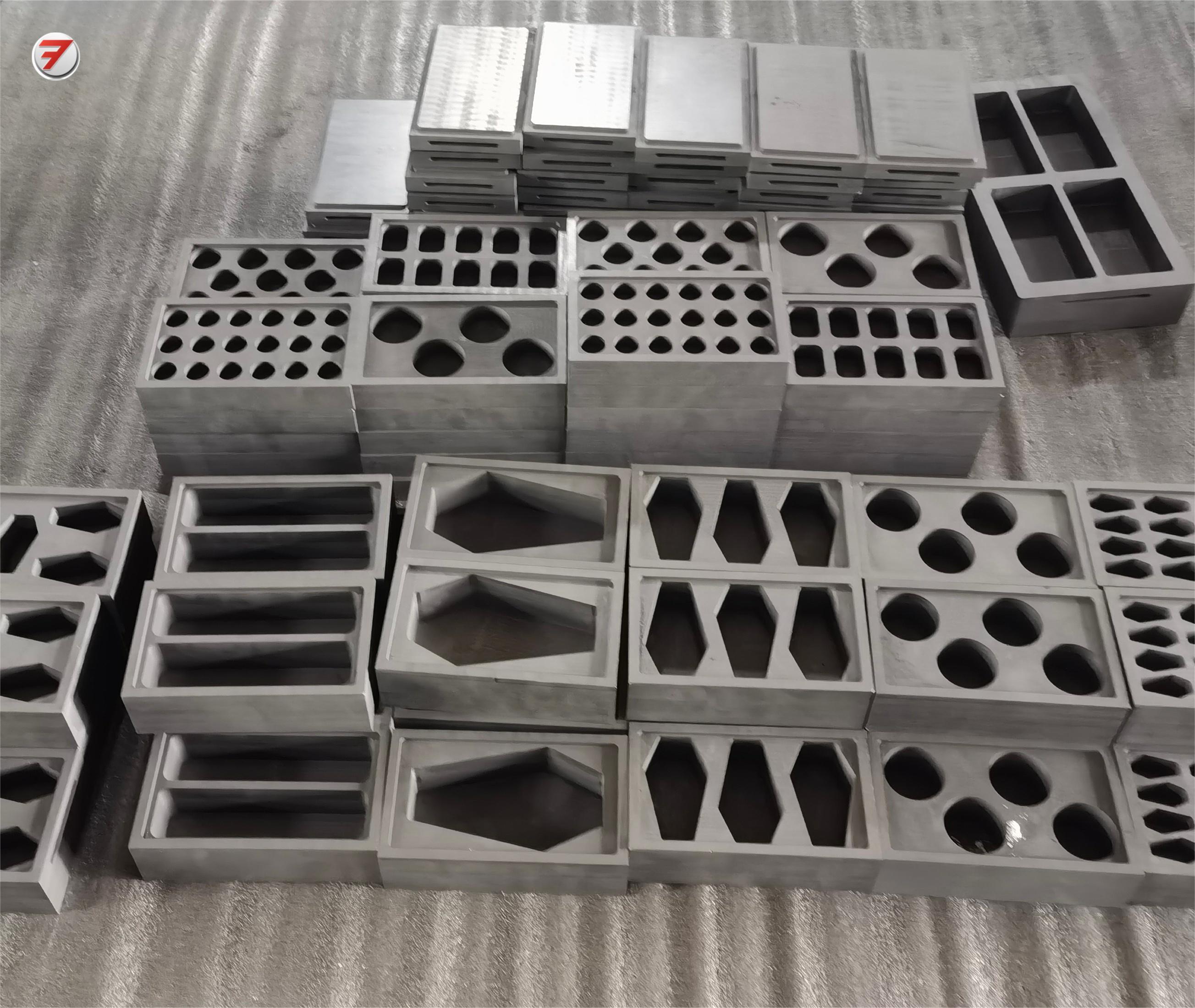
Molded Graphite: A Key Component in High-Temperature Applications
Table of Contents
- Introduction to Molded Graphite
- Properties of Molded Graphite
- Manufacturing Process of Molded Graphite
- Applications of Molded Graphite in High-Temperature Environments
- Benefits of Using Molded Graphite
- Challenges in Using Molded Graphite
- Future Trends in Molded Graphite Technology
- Conclusion
- Frequently Asked Questions
Introduction to Molded Graphite
Molded graphite has emerged as a crucial material in various high-temperature applications due to its outstanding thermal and electrical conductivity, mechanical strength, and resistance to thermal shock. As industries advance, the demand for materials capable of withstanding extreme conditions has skyrocketed. In this article, we delve into the properties, manufacturing processes, applications, benefits, and future trends associated with molded graphite, highlighting its role as a pivotal component in high-temperature environments.
Properties of Molded Graphite
The remarkable properties of molded graphite make it highly suitable for high-temperature applications. Some key characteristics include:
High Thermal Conductivity
Molded graphite exhibits excellent thermal conductivity, allowing it to efficiently transfer heat. This property is vital in high-temperature processes where maintaining optimal thermal conditions is crucial.
Electrical Conductivity
Along with thermal conductivity, molded graphite is also an exceptional electrical conductor. This feature enables its use in various electrical and electronic applications, making it versatile in many industrial sectors.
Mechanical Strength
Despite its lightweight nature, molded graphite possesses considerable mechanical strength. This quality ensures its durability and reliability even under extreme stress conditions.
Resistance to Thermal Shock
Molded graphite can withstand rapid temperature changes without cracking or degrading, making it ideal for applications that experience sudden thermal fluctuations.
Corrosion Resistance
The material is also resistant to various corrosive agents, enhancing its longevity and performance in harsh environments.
Low Expansion Coefficient
Molded graphite has a low coefficient of thermal expansion, which minimizes the risk of deformation in high-temperature scenarios.
Manufacturing Process of Molded Graphite
The production of molded graphite involves several steps, ensuring that the final product meets the stringent requirements of high-temperature applications.
Raw Material Selection
The process begins with the selection of high-quality graphite powder, which serves as the primary raw material. Impurities must be minimized to enhance performance.
Molding Techniques
Graphite powder is then molded using various techniques, including die pressing, isostatic pressing, and extrusion. Each method has its unique advantages and is selected based on the desired thickness, density, and shape of the final product.
Sintering Process
After molding, the graphite undergoes a sintering process where it is heated at elevated temperatures. This step is crucial for enhancing the material's density and mechanical properties.
Finishing Touches
Finally, the molded graphite may undergo additional machining or surface treatment to achieve the required specifications and tolerances.
Applications of Molded Graphite in High-Temperature Environments
Molded graphite finds extensive applications across various industries that operate under high-temperature conditions. Let’s explore some of these applications in detail.
Molded Graphite in Metallurgy
In metallurgy, molded graphite is utilized as a component in various processes, including the production of cast iron and steel. Its properties help improve the quality of molten metal, facilitate heat transfer, and enhance the overall efficiency of metallurgical processes.
Role in Energy Production
Molded graphite plays a significant role in the energy sector, particularly in high-temperature reactors and nuclear applications. Its ability to withstand extreme temperatures and radiation makes it an ideal choice for components such as moderators and reflectors in nuclear reactors.
Aerospace Applications
In the aerospace industry, molded graphite is used in components such as seals, gaskets, and thermal protection systems. Its lightweight nature combined with its high thermal resistance makes it indispensable for spacecraft and high-performance aircraft.
Benefits of Using Molded Graphite
Utilizing molded graphite in high-temperature applications brings numerous advantages, including:
Cost-Effectiveness
The longevity and durability of molded graphite can lead to significant cost savings in terms of maintenance and replacement.
Improved Efficiency
Molded graphite's superior thermal and electrical conductivity contributes to enhanced efficiency in industrial processes, reducing energy consumption and operational costs.
Versatility
The adaptability of molded graphite allows it to fit a wide range of applications across different industries, making it a preferred choice for engineers and manufacturers.
Environmental Benefits
As industries shift towards sustainable practices, molded graphite stands out as a material that can contribute to energy efficiency and reduced carbon footprints.
Challenges in Using Molded Graphite
Despite its many benefits, there are challenges associated with the use of molded graphite, including:
High Initial Costs
The manufacturing process of molded graphite can be costly, which may deter some manufacturers from utilizing it initially.
Supply Chain Concerns
Sourcing high-quality graphite can be challenging, and fluctuations in the global graphite market can impact availability.
Performance Limitations
While molded graphite is highly effective in many applications, it may not be suitable for extreme environments where even higher performance materials are required.
Future Trends in Molded Graphite Technology
The future of molded graphite technology is poised for growth, driven by advancements in material science and increasing demand for high-performance materials. Some trends to watch include:
Advanced Manufacturing Techniques
Emerging manufacturing methods such as additive manufacturing may enhance the capabilities of molded graphite, allowing for more complex shapes and improved performance.
Research and Development
Ongoing research into new composite materials and hybrid systems may lead to the creation of next-generation molded graphite products that outperform current offerings.
Sustainability Initiatives
As industries become more environmentally conscious, the development of sustainable practices for sourcing and manufacturing molded graphite will gain importance.
Conclusion
Molded graphite is undeniably a key component in high-temperature applications, bringing a wealth of benefits to various industries. Its exceptional properties, versatile applications, and potential for future advancements make it an invaluable material in the modern industrial landscape. As we continue to explore new frontiers in technology, molded graphite will play a pivotal role in shaping the future of high-temperature processes.
Frequently Asked Questions
1. What is molded graphite primarily used for?
Molded graphite is primarily used in high-temperature applications across various industries, including metallurgy, energy production, and aerospace due to its excellent thermal and electrical conductivity.
2. How is molded graphite manufactured?
Molded graphite is manufactured through a process that includes raw material selection, molding techniques, sintering, and finishing touches to meet specific requirements.
3. What are the advantages of using molded graphite in high-temperature environments?
The advantages include cost-effectiveness, improved efficiency, versatility, and environmental benefits, making it a popular choice in demanding applications.
4. Are there any challenges associated with molded graphite?
Yes, challenges include high initial costs, supply chain concerns, and potential performance limitations in extreme environments.
5. What are the future trends for molded graphite technology?
Future trends include advanced manufacturing techniques, ongoing research and development, and a focus on sustainability initiatives for sourcing and production.
Contact Us
E-mail:
Phone/WhatsApp:
+86 15711363051
Address:
Xingchuang International C912, Xinya Street No.15, Daxing District, Beijing, China



Contact
TEL: +8615711363051
EMAIL: sales@topflymaterial.com
ADD: Xingchuang International C912, Xinya Street No.15, Daxing District, Beijing, China