
The Versatile Applications and Properties of Molded Graphite in Metallurgy
Mar 05,2026
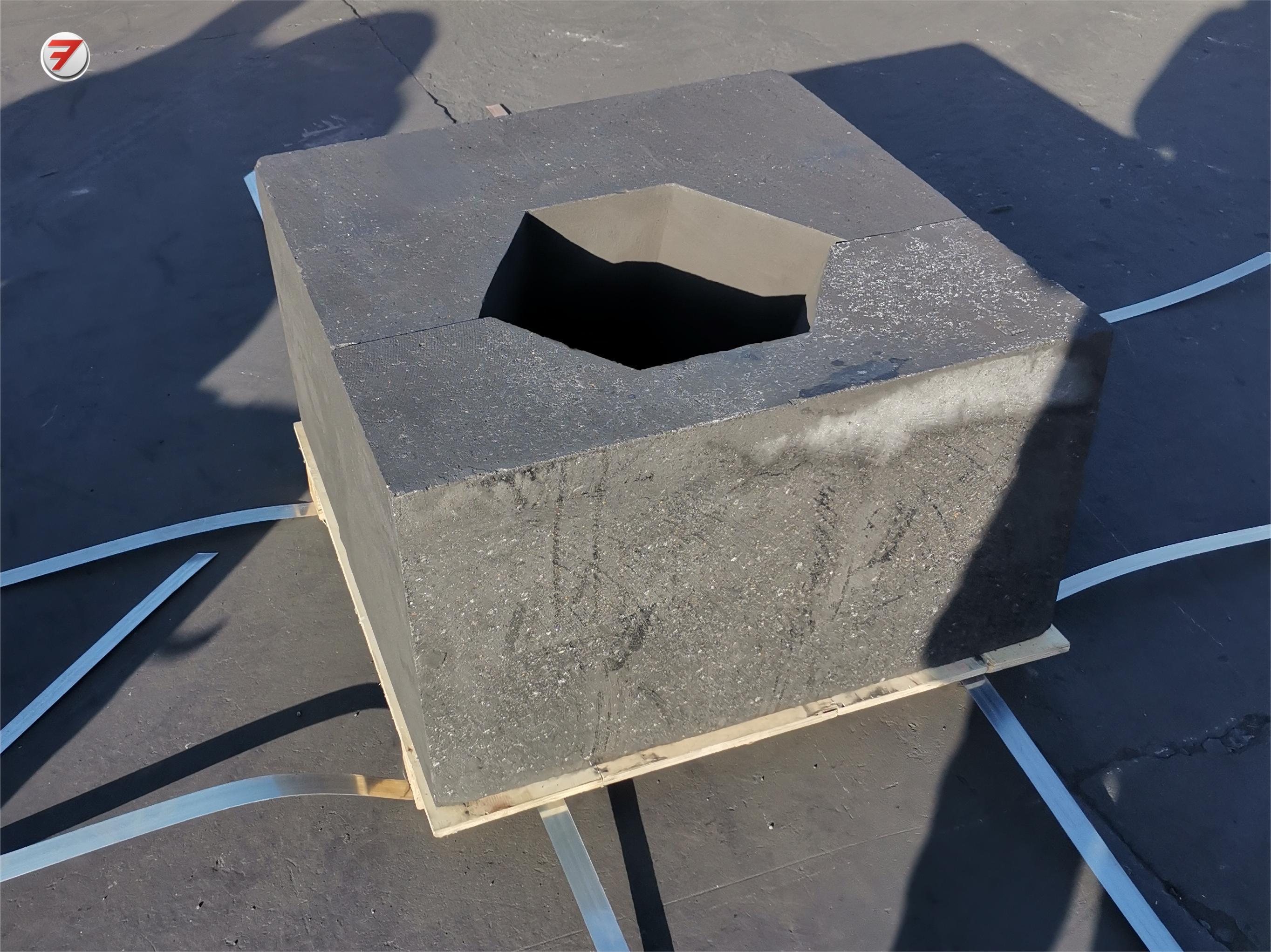
Molded graphite, a form of carbon that is shaped through a process of compression and baking, has gained recognition for its exceptional properties that cater to a variety of applications. One of the most notable characteristics of molded graphite is its excellent thermal conductivity. This property makes it an ideal choice for manufacturing components that require efficient heat dissipation, such as in electric arc furnaces and foundries. The ability to withstand high temperatures without deforming allows molded graphite to perform well in demanding environments.
In addition to thermal conductivity, molded graphite also exhibits impressive mechanical strength. This makes it suitable for applications where structural integrity is paramount. For instance, in the production of molds and dies, the durability and resilience of molded graphite ensure that these tools can withstand repeated use without significant wear or degradation. The material's resistance to thermal shock further enhances its utility in high-temperature processes, providing reliability in environments that experience rapid temperature fluctuations.
One of the key advantages of molded graphite is its versatility in manufacturing processes. The material can be easily machined and shaped to meet specific design requirements, allowing for a wide range of applications across different industries. Whether it's in the production of electrodes for electrochemical processes or as a lubricant in high-performance applications, molded graphite offers a level of customization that is hard to achieve with other materials.
Moreover, molded graphite is also known for its chemical inertness. It is resistant to a variety of corrosive substances, making it suitable for use in applications that involve exposure to harsh chemicals. This property is particularly beneficial in the energy sector, where components may encounter aggressive environments.
Another significant aspect of molded graphite is its environmental impact. With the growing emphasis on sustainability, many industries are looking for materials that are not only effective but also environmentally friendly. Molded graphite, being a carbon-based material, can often be produced with a reduced carbon footprint compared to other alternatives, making it a more eco-conscious choice.
In conclusion, molded graphite stands out as an essential material in the metallurgy and energy sectors due to its superior thermal and mechanical properties, versatility in applications, and resistance to harsh conditions. As industries continue to evolve and seek innovative solutions, the demand for molded graphite is likely to increase, further solidifying its place as a critical component in the production of non-metallic mineral products. Understanding its advantages can help businesses make informed decisions when selecting materials for their specific needs.
Contact Us
E-mail:
Phone/WhatsApp:
+86 15711363051
Address:
Xingchuang International C912, Xinya Street No.15, Daxing District, Beijing, China



Contact
TEL: +8615711363051
EMAIL: sales@topflymaterial.com
ADD: Xingchuang International C912, Xinya Street No.15, Daxing District, Beijing, China