
Exploring the Synergy Between Graphite Blocks and Other Materials: Unleashing the Potential of Composite Solutions
Mar 06,2026
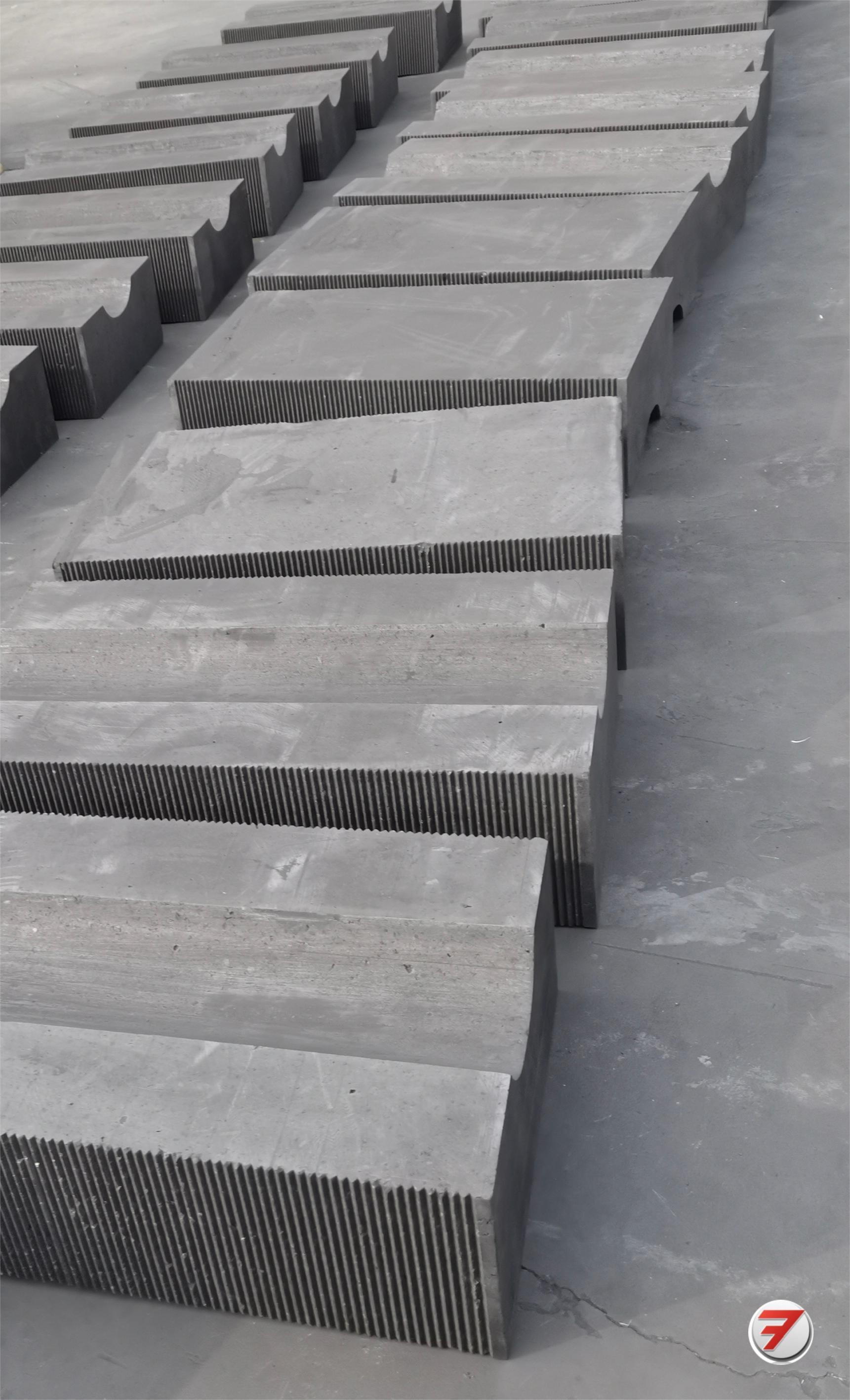
Exploring the Synergy Between Graphite Blocks and Other Materials
Introduction to Graphite Blocks and Their Importance
Graphite blocks are a cornerstone in various industrial applications, known for their remarkable properties such as high thermal conductivity, lubrication, and resistance to thermal stress. In recent years, the synergy between graphite blocks and other materials has become a focal point for innovation in several sectors. **Understanding how these materials complement each other** can lead to groundbreaking advancements in technology and manufacturing processes.
Properties of Graphite Blocks
Graphite blocks exhibit a range of unique properties that make them suitable for various applications. These include:
1. High Thermal Conductivity
Graphite blocks are excellent thermal conductors, making them ideal for applications requiring efficient heat dissipation. This property is particularly valuable in the electronics industry, where overheating can lead to device failure.
2. Excellent Lubrication
With a natural ability to reduce friction, graphite blocks serve as effective lubricants in mechanical applications. This reduces wear and tear on machinery, extending its lifespan and improving efficiency.
3. Chemical Resistance
Graphite is resistant to many chemicals, allowing it to be used in environments that would corrode other materials. This feature is especially beneficial in the chemical processing industry.
4. Stability at High Temperatures
Graphite blocks maintain their integrity at elevated temperatures, making them suitable for high-performance applications such as aerospace and automotive industries.
The Role of Graphite Blocks in Composite Materials
The incorporation of graphite blocks into composite materials enhances the overall performance of these materials. By combining graphite with polymers, metals, or ceramics, manufacturers can create products that exhibit superior characteristics.
1. Graphite-Polymer Composites
Graphite-polymer composites are gaining traction due to their lightweight and enhanced mechanical properties. These materials are used in various applications, including sporting goods, automotive parts, and aerospace components. The integration of graphite not only improves strength but also provides thermal and electrical conductivity.
2. Graphite-Metal Composites
When combined with metals, graphite blocks enhance thermal and electrical conductivity while reducing weight. These composites are ideal for applications in electrical contacts and heat sinks, where efficient heat transfer is crucial.
3. Graphite-Ceramic Composites
Graphite-ceramic composites leverage the high-temperature stability of ceramics and the thermal conductivity of graphite. These materials are used in high-performance applications, such as furnace linings and aerospace components.
Applications of Graphite Blocks in Various Industries
The synergy between graphite blocks and other materials has led to their widespread use across multiple industries.
1. Electronics Industry
In electronics, graphite blocks are used in the manufacturing of heat sinks and thermal interface materials. Their excellent thermal conductivity ensures that components operate within safe temperature limits, enhancing reliability and performance.
2. Automotive Sector
Graphite blocks find applications in brake linings, gaskets, and seals. Their lubricating properties reduce wear and improve performance, while their thermal stability ensures safety under extreme conditions.
3. Aerospace Industry
In aerospace applications, the lightweight nature of graphite composites contributes to fuel efficiency. They are used in components that require superior strength-to-weight ratios, such as wing structures and engine components.
4. Energy Sector
Graphite blocks play a significant role in renewable energy applications, particularly in battery technology. Their conductivity enhances battery performance, leading to more efficient energy storage solutions.
Benefits of Using Graphite Blocks with Other Materials
The combination of graphite blocks with other materials offers numerous advantages.
1. Enhanced Performance
By integrating graphite, manufacturers can significantly enhance the mechanical, thermal, and electrical properties of their products, resulting in improved performance.
2. Cost Efficiency
The use of graphite composites can lead to reduced material costs while maintaining high performance. This makes them a cost-effective solution for manufacturers looking to optimize their product lines.
3. Sustainability
Graphite is a naturally occurring material, and its use in composites can contribute to more sustainable manufacturing processes. Additionally, the energy efficiency offered by graphite composites can lead to reduced carbon footprints for various industries.
4. Versatility
Graphite blocks can be combined with a wide range of materials, making them adaptable for various applications. This versatility allows for innovation and customization in product design.
Challenges in the Use of Graphite Blocks
While graphite blocks offer numerous benefits, there are challenges associated with their use.
1. Processing Difficulties
The integration of graphite into other materials can present processing challenges, particularly in achieving uniform dispersion within composites. This requires advanced manufacturing techniques to ensure optimal performance.
2. Cost Considerations
Although graphite can be cost-effective, the initial investment in processing and manufacturing can be high. Companies must weigh these costs against the long-term benefits when considering graphite solutions.
3. Environmental Concerns
The mining and processing of graphite have environmental implications that must be considered. Sustainable sourcing practices are essential to mitigate these impacts.
Future Trends in Graphite Block Applications
As industries continue to innovate, the future of graphite blocks and their composite applications looks promising.
1. Advancements in Battery Technology
With the rise of electric vehicles and renewable energy systems, graphite's role in battery technology will continue to expand. Research into enhancing the performance of graphite electrodes is underway, aiming for improved energy density and charging rates.
2. Development of New Composite Materials
The ongoing exploration of new combinations of graphite with other materials will lead to the creation of advanced composites that meet the demands of modern applications.
3. Increased Focus on Sustainability
As industries shift towards sustainable practices, the demand for environmentally friendly graphite sources and processing methods will rise. Innovations in recycling graphite from used products will also gain traction.
Frequently Asked Questions (FAQs)
1. What are the primary uses of graphite blocks?
Graphite blocks are primarily used in electronics, automotive, aerospace, and energy sectors. They serve as heat sinks, lubricants, and components in various applications.
2. How do graphite blocks enhance composite materials?
Graphite blocks improve the thermal and electrical conductivity, reduce weight, and enhance the mechanical properties of composite materials, making them suitable for advanced applications.
3. Are graphite blocks environmentally friendly?
Graphite is a naturally occurring material, but the environmental impact of its extraction and processing must be managed. Sustainable sourcing practices are crucial for minimizing these impacts.
4. What challenges are associated with using graphite blocks?
Challenges include processing difficulties, cost considerations, and environmental concerns related to mining and processing activities.
5. What is the future of graphite blocks in technology?
The future of graphite blocks looks promising, with advancements in battery technology, new composite materials, and increased focus on sustainability driving innovation in their applications.
Conclusion
The synergy between graphite blocks and other materials is paving the way for innovative solutions across multiple industries. By leveraging the unique properties of graphite, manufacturers can enhance performance, reduce costs, and promote sustainability. As we look to the future, the potential applications of graphite blocks will continue to expand, driving advancements in technology and paving the way for a more efficient and sustainable industrial landscape. Embracing this synergy will undoubtedly unlock new opportunities for growth and innovation in the coming years.
Contact Us
E-mail:
Phone/WhatsApp:
+86 15711363051
Address:
Xingchuang International C912, Xinya Street No.15, Daxing District, Beijing, China



Contact
TEL: +8615711363051
EMAIL: sales@topflymaterial.com
ADD: Xingchuang International C912, Xinya Street No.15, Daxing District, Beijing, China