
How Isostatic Graphite Enhances Performance in Metallurgical Applications
Mar 04,2026
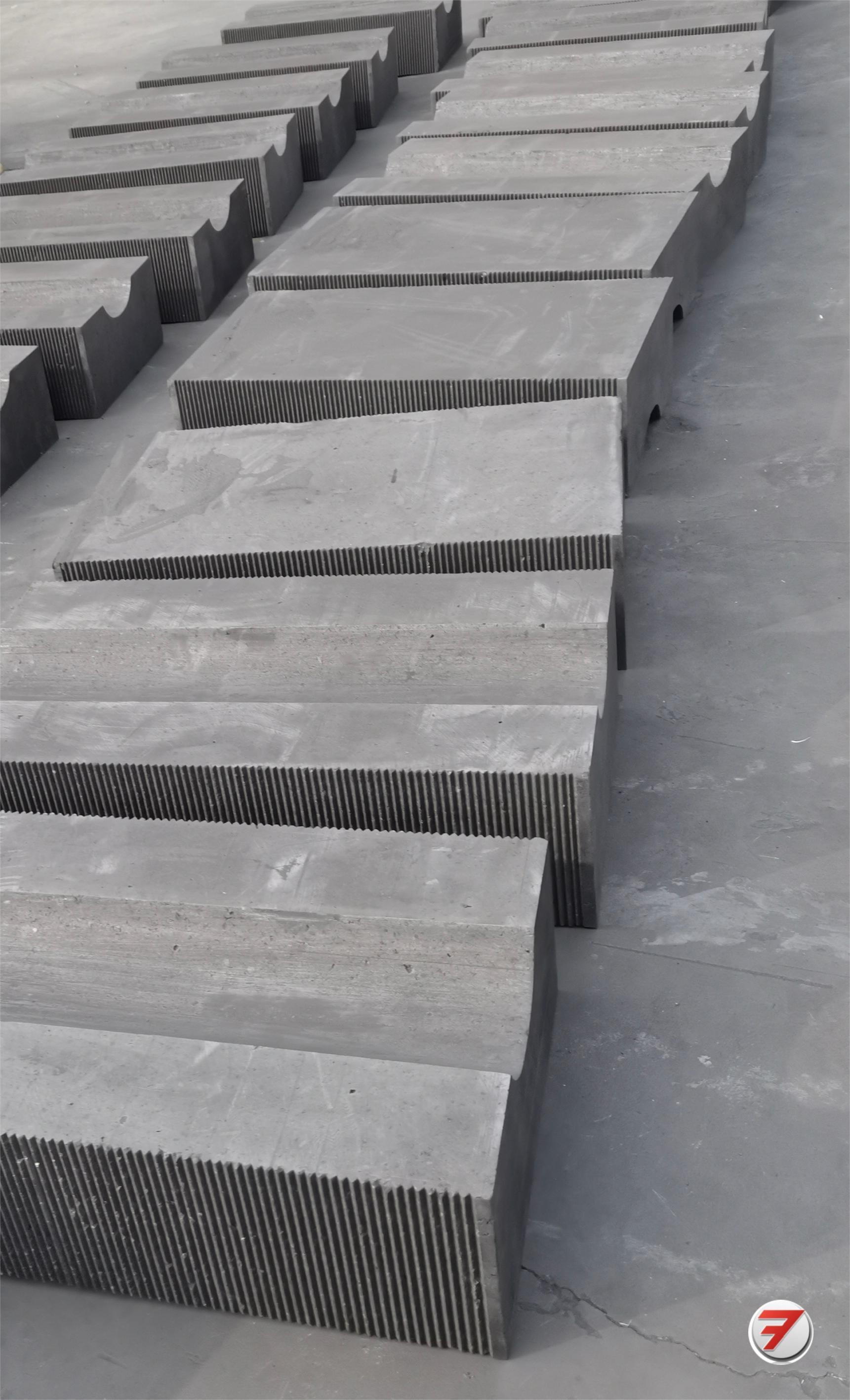
How Isostatic Graphite Enhances Performance in Metallurgical Applications
Table of Contents
- 1. Introduction to Isostatic Graphite
- 2. Unique Properties of Isostatic Graphite
- 3. The Manufacturing Process of Isostatic Graphite
- 4. Applications of Isostatic Graphite in Metallurgy
- 5. How Isostatic Graphite Enhances Performance
- 6. Comparative Advantages Over Traditional Graphite
- 7. Case Studies: Success Stories in Metallurgical Applications
- 8. Future Trends in Isostatic Graphite Use
- 9. Frequently Asked Questions
- 10. Conclusion
1. Introduction to Isostatic Graphite
Isostatic graphite has gained significant traction in the metallurgical sector for its remarkable characteristics and performance. Formed through a unique process that involves equal pressure application, this type of graphite offers exceptional uniformity and density. As industries increasingly seek advanced materials that can withstand extreme conditions, isostatic graphite emerges as a solution that not only meets but exceeds these demands.
2. Unique Properties of Isostatic Graphite
Isostatic graphite exhibits a range of properties that make it particularly well-suited for metallurgical applications. These properties include:
2.1 High Thermal Conductivity
This material can efficiently transfer heat, which is crucial in processes like electric arc furnaces and sintering. High thermal conductivity allows for precise temperature control during metallurgical operations.
2.2 Excellent Mechanical Strength
The mechanical strength of isostatic graphite is superior to that of conventional graphite. This characteristic ensures that components made from isostatic graphite can endure heavy loads and resist deformation.
2.3 Low Coefficient of Thermal Expansion
This property minimizes dimensional changes with temperature fluctuations, ensuring consistent performance in high-temperature environments. Such stability is vital in applications that involve rapid heating and cooling.
2.4 Corrosion Resistance
Isostatic graphite displays outstanding resistance to chemical corrosion, making it suitable for use in aggressive environments where other materials might fail.
3. The Manufacturing Process of Isostatic Graphite
The production of isostatic graphite involves several intricate steps, ensuring that the final product embodies the desired properties.
3.1 Raw Material Selection
The process begins with selecting high-purity graphite powder. The quality of this raw material is fundamental, as impurities can negatively impact the performance of the final product.
3.2 Isostatic Pressing
The selected graphite powder is subjected to isostatic pressing, where uniform pressure is applied in all directions. This step is critical in achieving the desired density and uniformity in the material.
3.3 Heat Treatment
After pressing, the material undergoes a heat treatment process, which further enhances its properties by promoting crystallization and reducing porosity.
3.4 Machining and Finishing
Finally, the isostatic graphite is machined to precise specifications, ensuring it meets the stringent requirements of metallurgical applications.
4. Applications of Isostatic Graphite in Metallurgy
Isostatic graphite is utilized in various metallurgical applications, showcasing its versatility and effectiveness.
4.1 Electrodes in Electric Arc Furnaces
In electric arc furnaces, isostatic graphite electrodes are essential due to their ability to handle high temperatures and electrical conductivity.
4.2 Molds for Casting Processes
Molds made from isostatic graphite provide excellent thermal properties and durability, making them ideal for metal casting applications.
4.3 Crucibles and Refractories
Isostatic graphite crucibles are favored for their thermal shock resistance and longevity, especially in molten metal applications.
4.4 Sintering and Powder Metallurgy
In sintering processes, isostatic graphite plays a crucial role in maintaining uniform temperatures and enhancing the quality of sintered products.
5. How Isostatic Graphite Enhances Performance
The incorporation of isostatic graphite in metallurgical applications leads to significant performance improvements.
5.1 Improved Yield and Efficiency
Utilizing isostatic graphite components leads to higher yields in production due to its reliable performance under extreme conditions, minimizing operational downtimes.
5.2 Enhanced Product Quality
The consistency and uniformity of isostatic graphite contribute to superior metallurgical product quality, reducing defects and increasing customer satisfaction.
5.3 Cost-Effectiveness
While the initial investment in isostatic graphite may be higher, its durability and performance lead to lower long-term costs through reduced maintenance and replacement needs.
6. Comparative Advantages Over Traditional Graphite
When comparing isostatic graphite to traditional graphite materials, several advantages stand out.
6.1 Density and Uniformity
Isostatic graphite features a higher density and uniformity, resulting in better thermal and mechanical performance, which traditional graphite materials often lack.
6.2 Performance Under Pressure
In high-pressure environments, isostatic graphite maintains its integrity better than conventional graphite, making it more suitable for demanding metallurgical applications.
6.3 Longevity and Reliability
The lifespan of isostatic graphite components surpasses that of traditional graphite, reducing the frequency of replacements and enhancing operational reliability.
7. Case Studies: Success Stories in Metallurgical Applications
Real-world applications highlight the effectiveness of isostatic graphite in metallurgy.
7.1 Electric Arc Furnace Innovations
A leading steel manufacturer implemented isostatic graphite electrodes in their electric arc furnaces, resulting in a 15% increase in energy efficiency and a significant reduction in electrode wear.
7.2 Enhanced Mold Performance in Casting
A foundry utilizing isostatic graphite molds reported improved casting accuracy and reduced scrap rates, leading to a 20% increase in overall productivity.
7.3 Cost Savings in Sintering Processes
An advanced materials company adopted isostatic graphite in their sintering operations, which resulted in a 30% reduction in cycle times and substantial material savings.
8. Future Trends in Isostatic Graphite Use
Looking ahead, the use of isostatic graphite in metallurgy is expected to evolve significantly.
8.1 Advancements in Material Science
Ongoing research in material science will likely yield even more advanced forms of isostatic graphite, enhancing its properties and expanding its applications.
8.2 Sustainability Initiatives
As industries focus on sustainability, isostatic graphite's recyclability and longevity will play a crucial role in developing environmentally friendly metallurgical practices.
8.3 Integration with Technological Innovations
The integration of isostatic graphite with emerging technologies, such as additive manufacturing and automation, promises to revolutionize metallurgical processes.
9. Frequently Asked Questions
9.1 What is isostatic graphite?
Isostatic graphite is a high-density graphite material produced through an isostatic pressing process, known for its uniformity and superior mechanical and thermal properties.
9.2 How does isostatic graphite differ from traditional graphite?
Isostatic graphite offers enhanced density, superior thermal conductivity, and greater mechanical strength compared to traditional graphite.
9.3 What are the main applications of isostatic graphite in metallurgy?
Key applications include electrodes for electric arc furnaces, molds for casting processes, crucibles, and components for sintering and powder metallurgy.
9.4 Can isostatic graphite be recycled?
Yes, isostatic graphite can be recycled, contributing to sustainability in metallurgical practices.
9.5 How does isostatic graphite contribute to cost savings in metallurgical processes?
Its durability and performance under extreme conditions lead to reduced maintenance and replacement needs, ultimately lowering operational costs.
10. Conclusion
Isostatic graphite stands out as a transformative material in metallurgical applications, offering unparalleled performance and reliability. Its unique properties, combined with innovative manufacturing processes, position it as a preferred choice for industries striving to enhance their operational efficiency and product quality. As we continue to explore advancements in technology and material science, the future of isostatic graphite in metallurgy looks promising, paving the way for more sustainable and effective practices in the industry.
Contact Us
E-mail:
Phone/WhatsApp:
+86 15711363051
Address:
Xingchuang International C912, Xinya Street No.15, Daxing District, Beijing, China



Contact
TEL: +8615711363051
EMAIL: sales@topflymaterial.com
ADD: Xingchuang International C912, Xinya Street No.15, Daxing District, Beijing, China