
Understanding RP Graphite Electrodes: Essential Insights for the Metallurgical Industry
Mar 03,2026
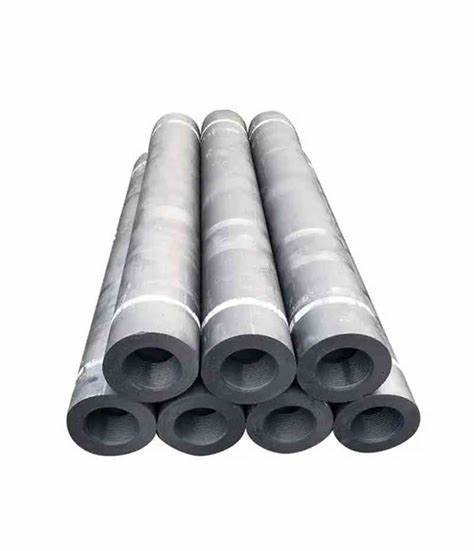
RP graphite electrodes are a pivotal component within the metallurgical industry, specifically in electric arc furnaces (EAF) where they are utilized to produce steel and other metals. These electrodes are made primarily from petroleum coke, coal tar pitch, and various additives. The "RP" stands for Regular Power, which indicates the electrode's capability to handle a moderate level of electrical conductivity and thermal performance, typically suitable for various steel-making processes.
One of the most significant advantages of RP graphite electrodes is their superior electrical conductivity. This property allows for efficient energy transfer during the melting of scrap metal, ultimately resulting in lower energy consumption and reduced operational costs. Additionally, RP graphite electrodes possess excellent thermal resistance, enabling them to withstand the extreme temperatures encountered in electric arc furnaces, which can reach up to 3,000 degrees Celsius.
Moreover, the mechanical strength of RP graphite electrodes is paramount in ensuring their reliability during operation. Their resilience helps minimize breakage and wear, which is crucial for maintaining productivity levels in manufacturing processes. This durability is achieved through meticulous manufacturing processes that include molding, baking, and graphitization, resulting in a high-quality product that meets industry standards.
In terms of application, RP graphite electrodes are widely used not only in steel production but also in other metallurgical processes such as ferroalloy production and the recycling of non-ferrous metals. Their versatility makes them an essential tool for various industries, contributing to the ongoing advancement and efficiency in metal production.
Another critical aspect to consider is the environmental impact of using RP graphite electrodes. As industries increasingly focus on sustainability, the use of these electrodes can be advantageous due to their ability to facilitate recycling processes. By enabling the efficient melting of scrap materials, RP graphite electrodes help reduce waste and promote a circular economy within the metallurgical sector.
In conclusion, RP graphite electrodes play an indispensable role in the metallurgical industry by enhancing energy efficiency, providing mechanical strength, and facilitating sustainable practices. Their importance extends beyond mere functionality, as they contribute to the overall advancement of production efficiency in metal manufacturing. Understanding the properties and applications of RP graphite electrodes can empower businesses to optimize their operations and embrace innovative solutions for the future of metallurgy.
Contact Us
E-mail:
Phone/WhatsApp:
+86 15711363051
Address:
Xingchuang International C912, Xinya Street No.15, Daxing District, Beijing, China



Contact
TEL: +8615711363051
EMAIL: sales@topflymaterial.com
ADD: Xingchuang International C912, Xinya Street No.15, Daxing District, Beijing, China