
Graphite Electrode: A Crucial Element in Contemporary Metallurgical Applications
Mar 02,2026
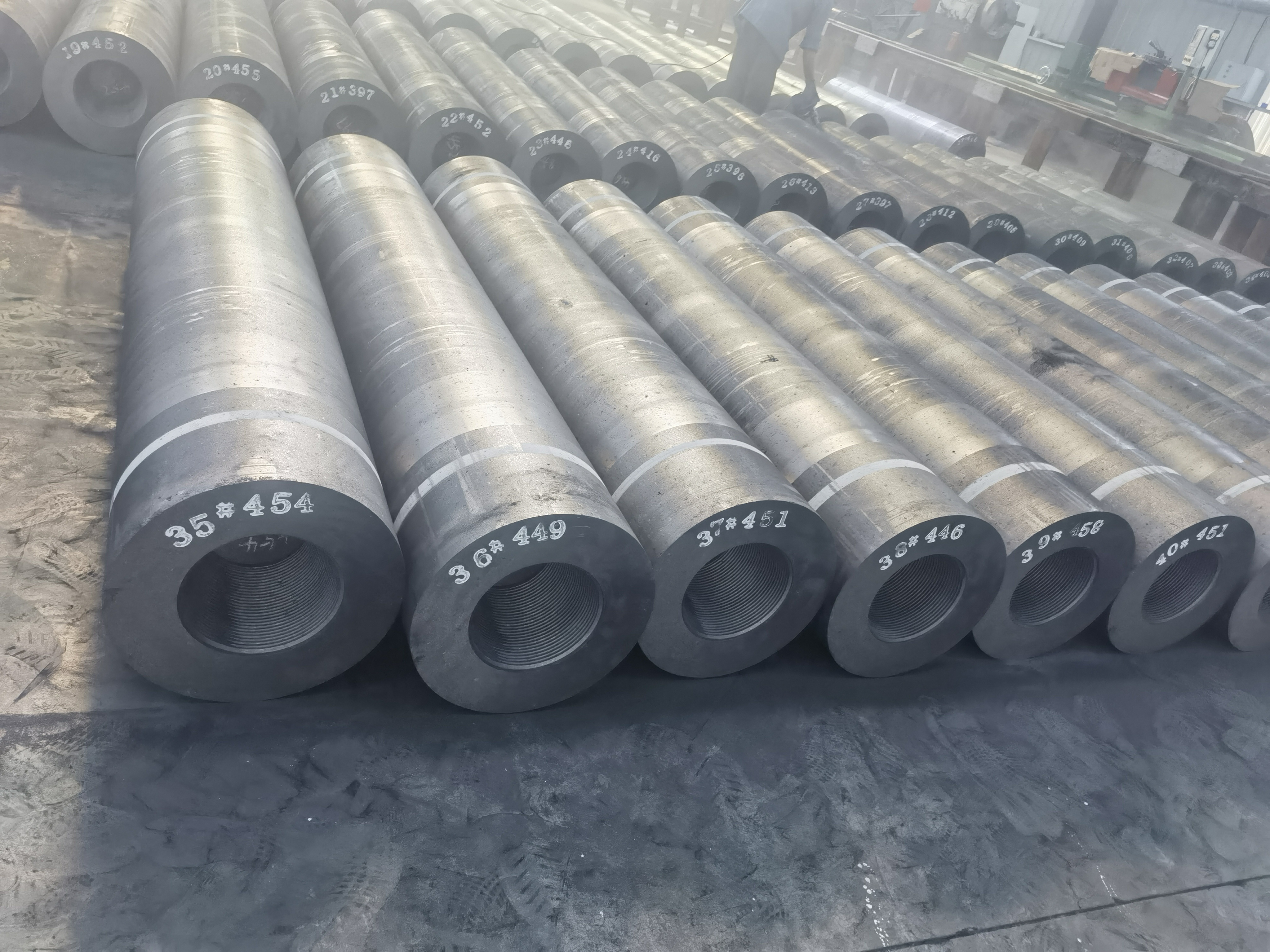
Graphite Electrode: A Key Component in Modern Metallurgical Processes
Table of Contents
- Introduction to Graphite Electrodes
- Importance of Graphite Electrodes in Metallurgy
- Manufacturing Process of Graphite Electrodes
- Applications of Graphite Electrodes
- Advantages of Using Graphite Electrodes
- Challenges in Graphite Electrode Production
- Future Trends in Graphite Electrode Technology
- Frequently Asked Questions
- Conclusion
Introduction to Graphite Electrodes
Graphite electrodes have emerged as a **crucial component** in the metallurgical landscape, particularly in the production of steel and other non-ferrous metals. These electrodes are primarily used in electric arc furnaces (EAF) and play a pivotal role in generating the heat necessary for melting metals. As industries continue to seek more efficient and sustainable methods of production, understanding the dynamics of graphite electrodes becomes essential.
Importance of Graphite Electrodes in Metallurgy
Graphite electrodes are essential for several reasons:
Energy Efficiency
The use of graphite electrodes allows for higher energy efficiency in metallurgical processes. EAFs equipped with high-quality electrodes can reach melting temperatures faster, significantly reducing energy consumption.
Environmental Sustainability
Employing graphite electrodes in steel production minimizes greenhouse gas emissions compared to traditional methods. This positions them as a more **environmentally-friendly** alternative in metallurgical applications.
Quality of Steel Production
The quality of the steel produced using graphite electrodes is typically superior due to the controlled melting process, which allows for better segregation of impurities. This results in a cleaner metal product with enhanced mechanical properties.
Manufacturing Process of Graphite Electrodes
Understanding the manufacturing process of graphite electrodes is vital to grasping their intricate nature. The production involves various stages, including:
Raw Material Selection
The primary raw materials for graphite electrode production include petroleum coke and pitch. The choice of these materials significantly influences the quality of the final product.
Calcination Process
The selected petroleum coke undergoes calcination at high temperatures (around 1200-1400 °C) to eliminate volatile substances, resulting in a more stable and pure carbon source.
Mixing and Molding
Once calcined, the coke is mixed with pitch to form a paste. This paste is then shaped into the desired electrode form through various molding techniques, including extrusion or vibration molding.
Baking
The molded green electrodes are baked at high temperatures (around 1000 °C) in a controlled environment to carbonize the pitch and enhance the mechanical stability of the electrodes.
Graphitization
The final stage involves heating the baked electrodes to temperatures above 2500 °C in a graphitization furnace. This process converts the carbon material into graphite, imparting the necessary electrical conductivity and thermal properties.
Applications of Graphite Electrodes
Graphite electrodes find applications across various sectors, showcasing their versatility:
Electric Arc Furnaces (EAF)
The predominant application of graphite electrodes is in EAFs for steel production. They facilitate the melting of scrap metal and contribute to the overall efficiency of the melting process.
Foundries
In foundries, graphite electrodes are used for melting non-ferrous metals, including aluminum and copper. Their high thermal conductivity ensures effective heating during the melting process.
Other Industrial Applications
Graphite electrodes are also utilized in the production of silicon metal and other specialized alloys. Their properties make them invaluable in industries involving high-temperature processes.
Advantages of Using Graphite Electrodes
Graphite electrodes offer numerous advantages that make them indispensable in metallurgical applications:
High Electrical Conductivity
One of the key benefits of graphite electrodes is their exceptional electrical conductivity, which enables efficient energy transfer during the melting process.
Thermal Stability
Graphite electrodes can withstand extreme temperatures without significant degradation, making them ideal for high-temperature processes.
Low Expansion Coefficient
The low thermal expansion coefficient of graphite ensures that electrodes maintain their structural integrity during heating and cooling cycles.
Challenges in Graphite Electrode Production
While the advantages of graphite electrodes are plentiful, several challenges persist in their production:
Material Sourcing
The availability and quality of raw materials can pose significant challenges, as the demand for high-quality petroleum coke and pitch continues to rise.
Environmental Regulations
The production process of graphite electrodes is energy-intensive and can lead to emissions. Companies must navigate stringent environmental regulations, prompting the need for cleaner technologies.
Future Trends in Graphite Electrode Technology
The future of graphite electrode technology is promising, with ongoing research focused on enhancing performance and sustainability:
Innovative Manufacturing Techniques
Advanced manufacturing techniques, including additive manufacturing, are being explored to improve the quality and efficiency of graphite electrodes.
Recycling and Sustainability Efforts
The push for sustainability is leading to increased efforts in recycling used graphite electrodes, thereby reducing waste and promoting circular economy principles.
Frequently Asked Questions
What is the lifespan of a graphite electrode?
The lifespan of a graphite electrode depends on several factors, including the furnace operating conditions, but typically ranges from 8 to 14 hours of continuous use.
How do graphite electrodes impact energy consumption?
High-quality graphite electrodes improve energy efficiency by allowing for quicker melting times, reducing overall energy consumption in metallurgical processes.
Are there alternatives to graphite electrodes?
While there are alternatives, such as ceramic electrodes, graphite remains the preferred choice due to its superior conductivity and thermal properties.
What factors influence the performance of graphite electrodes?
Key factors include the quality of raw materials, the manufacturing process, and the operational conditions within the electric arc furnace.
Can graphite electrodes be recycled?
Yes, used graphite electrodes can be recycled, which helps to mitigate waste and reduce the need for new raw materials.
Conclusion
Graphite electrodes are integral to modern metallurgical processes, driving efficiency and sustainability in metal production. Their unique properties, coupled with ongoing advancements in technology, position them as a cornerstone of the industry. As we continue to explore innovative solutions and tackle the challenges of production, the role of graphite electrodes is set to expand, ensuring they remain a vital component in the future of metallurgy.
Contact Us
E-mail:
Phone/WhatsApp:
+86 15711363051
Address:
Xingchuang International C912, Xinya Street No.15, Daxing District, Beijing, China



Contact
TEL: +8615711363051
EMAIL: sales@topflymaterial.com
ADD: Xingchuang International C912, Xinya Street No.15, Daxing District, Beijing, China