
Understanding Graphite Blocks: Key Insights for the Metallurgical and Energy Sectors
Feb 27,2026
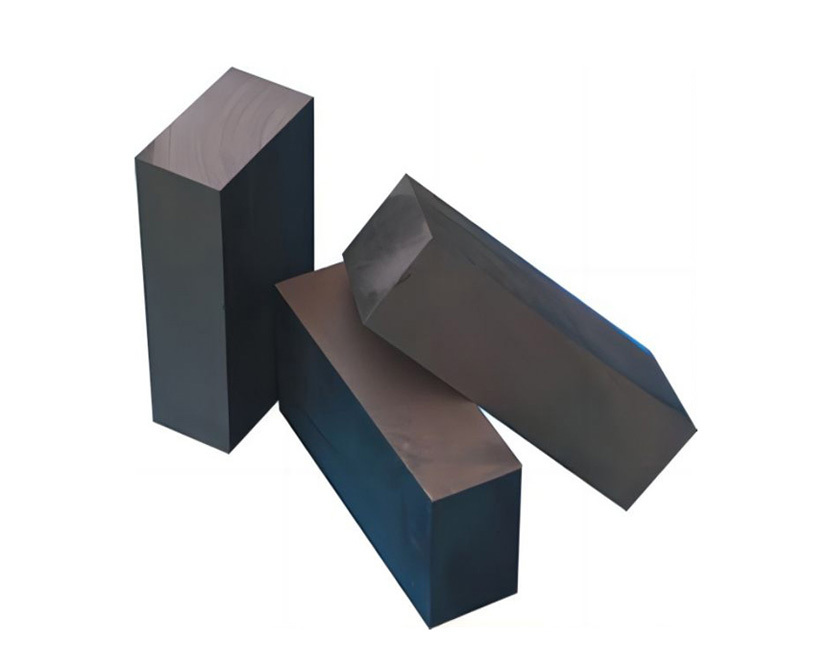
Graphite blocks are integral components in various applications across the metallurgical and energy sectors, particularly in the realm of non-metallic minerals. These blocks are primarily composed of crystalline carbon and are renowned for their excellent thermal and electrical conductivity, making them essential in numerous industrial processes.
One of the main advantages of graphite blocks is their high melting point and resistance to thermal shock. This property makes them ideal for use in high-temperature environments, such as furnaces and reactors. In metallurgy, graphite blocks are frequently employed as linings in electric arc furnaces, where they provide both structural integrity and thermal insulation. Their ability to withstand intense heat ensures that production processes remain efficient while minimizing energy losses.
In addition to their thermal properties, graphite blocks exhibit remarkable chemical stability. They are resistant to most acids and alkalis, which enhances their longevity in various applications, including foundries and steelmaking. This durability reduces the need for frequent replacements, leading to lower operational costs and improved productivity.
Another critical application of graphite blocks is in the energy sector. They are utilized in manufacturing electrodes for batteries and fuel cells, where their conductivity plays a vital role in energy transfer efficiency. In recent years, the rise of renewable energy technologies has further highlighted the importance of graphite blocks, particularly in lithium-ion batteries, which rely on high-quality graphite materials for optimal performance.
The versatility of graphite blocks extends beyond industrial applications. They are also employed in the production of lubricants, sealants, and gaskets, owing to their inherent lubricating properties. This multifaceted utility makes graphite blocks a valuable resource across various sectors, including automotive and aerospace industries.
When considering the implementation of graphite blocks in your operations, it is essential to assess the specific requirements of your processes. Factors such as temperature ranges, chemical exposure, and electrical conductivity needs should guide your selection of graphite block types to ensure optimal performance. Collaborating with suppliers who specialize in non-metallic minerals can provide further insights into the best solutions tailored to your operational challenges.
In conclusion, graphite blocks serve as a cornerstone in the metallurgical and energy sectors due to their impressive properties and diverse applications. By understanding their characteristics and potential uses, professionals in these industries can harness the benefits of graphite blocks to enhance their operational efficiency and product quality. As technological advancements continue to evolve, the role of graphite blocks is likely to expand, paving the way for innovative solutions in industrial processes.
Contact Us
E-mail:
Phone/WhatsApp:
+86 15711363051
Address:
Xingchuang International C912, Xinya Street No.15, Daxing District, Beijing, China



Contact
TEL: +8615711363051
EMAIL: sales@topflymaterial.com
ADD: Xingchuang International C912, Xinya Street No.15, Daxing District, Beijing, China