
How Molded Graphite Enhances Performance in Metallurgical Processes
Feb 26,2026
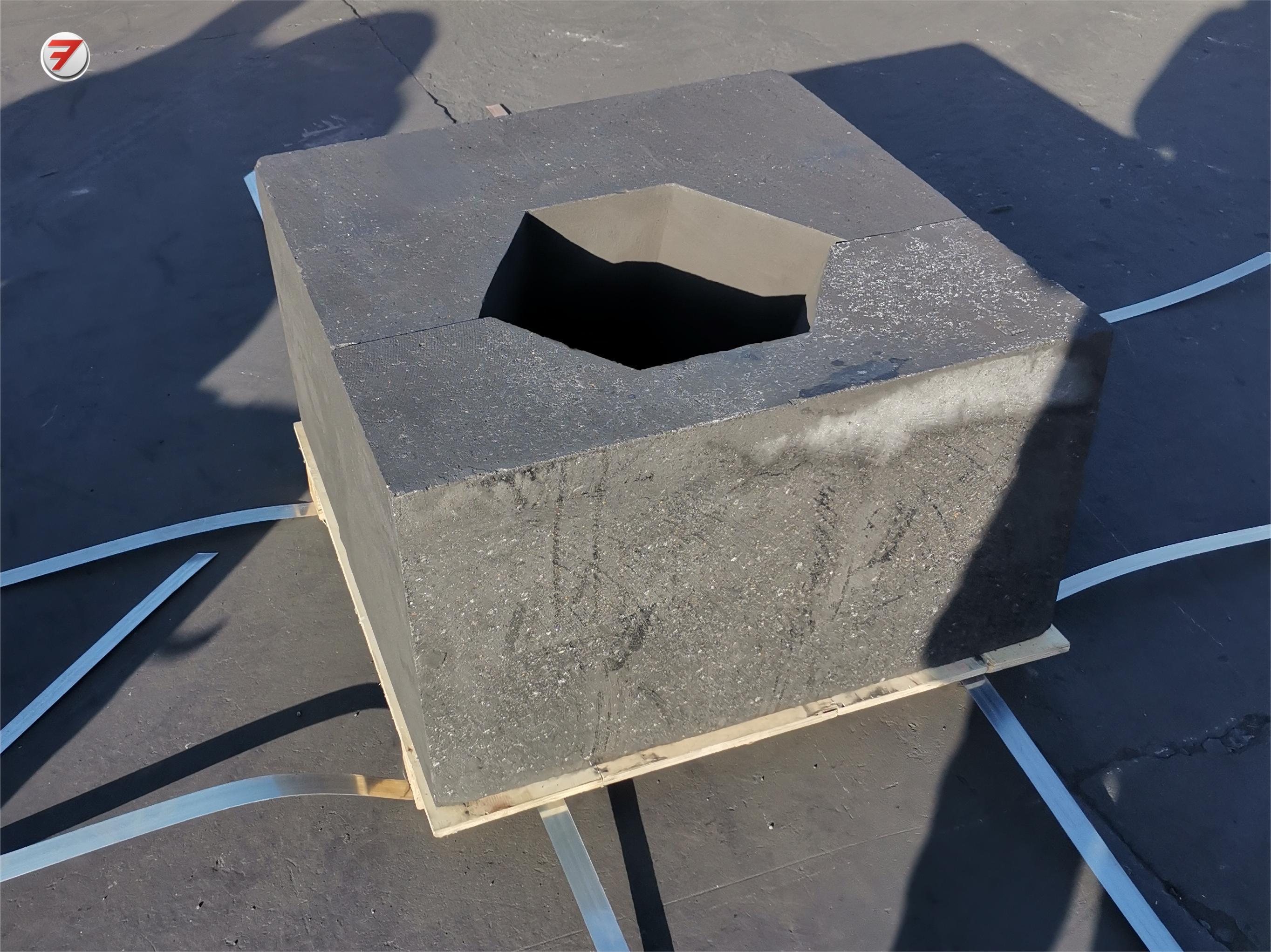
How Molded Graphite Enhances Performance in Metallurgical Processes
Table of Contents
- Introduction to Molded Graphite in Metallurgy
- What is Molded Graphite?
- Key Properties of Molded Graphite
- Applications of Molded Graphite in Metallurgical Processes
- Advantages of Using Molded Graphite in Metallurgy
- Molded Graphite and Energy Efficiency in Metallurgical Processes
- The Future of Molded Graphite in Metallurgical Engineering
- Conclusion
- Frequently Asked Questions (FAQs)
Introduction to Molded Graphite in Metallurgy
Metallurgical processes are foundational to many industries, including automotive, aerospace, and construction. As these sectors evolve, the demand for materials that enhance performance, durability, and efficiency grows. **Molded graphite** has emerged as a pivotal material, offering unique properties that significantly improve metallurgical applications. This article delves into the world of molded graphite, exploring its characteristics, benefits, and its role in optimizing metallurgical processes.
What is Molded Graphite?
Molded graphite is a form of carbon material produced by shaping and heating graphite powder under high pressure. This process results in a dense, stable, and high-purity product with exceptional electrical and thermal conductivity. Molded graphite is distinct from other forms of graphite due to its unique manufacturing process, which allows for the production of complex shapes and sizes, catering to various industrial needs.
Types of Molded Graphite
There are several types of molded graphite, including isotropic graphite and anisotropic graphite.
- **Isotropic Graphite**: This type has uniform properties in all directions, making it ideal for applications requiring consistent performance.
- **Anisotropic Graphite**: This type exhibits different properties along different axes, allowing for tailored applications where specific characteristics are needed.
Key Properties of Molded Graphite
Molded graphite possesses a range of properties that enhance its utility in metallurgical processes. Understanding these characteristics is essential for effectively leveraging molded graphite in various applications.
1. High Thermal Conductivity
Molded graphite's exceptional thermal conductivity makes it an ideal material for applications that require efficient heat transfer. This property is particularly beneficial in processes like casting and sintering, where temperature control is crucial.
2. Mechanical Strength
Molded graphite exhibits impressive mechanical strength, allowing it to withstand high pressures and temperatures. This durability is vital in metallurgical environments where materials are subjected to extreme conditions.
3. Chemical Resistance
Molded graphite is resistant to many chemicals, including acids and bases. This resistance makes it suitable for use in various metallurgical processes that involve aggressive chemical environments.
4. Low Thermal Expansion
The low thermal expansion coefficient of molded graphite minimizes dimensional changes during thermal cycling. This stability is crucial in ensuring the accuracy and quality of metallurgical products.
5. Electrical Conductivity
Molded graphite's excellent electrical conductivity makes it a preferred choice for applications that require electrical components, such as electrodes in electrolysis processes.
Applications of Molded Graphite in Metallurgical Processes
Molded graphite finds extensive use in a variety of metallurgical applications, significantly enhancing performance across different operations.
1. Electrode Production
In the production of electrodes for electric arc furnaces, molded graphite is utilized due to its high electrical conductivity and ability to withstand extreme temperatures. These electrodes are essential for melting and refining metals.
2. Crucibles and Molds
Molded graphite is commonly used to manufacture crucibles and molds for casting metals. Its thermal stability and resistance to thermal shock make it an ideal material for these applications.
3. Heat Exchangers
In metallurgical processes that require efficient heat exchange, molded graphite is used to construct heat exchangers. Its high thermal conductivity facilitates rapid heat transfer, improving overall process efficiency.
4. Sintering Tools
Molded graphite is employed in the production of sintering tools, where high temperatures are required to compact and densify materials. Its mechanical strength and thermal stability enhance the sintering process.
5. Protective Linings
In environments where corrosive substances are present, molded graphite serves as effective protective linings for vessels and equipment. Its chemical resistance ensures longevity and reliability in demanding applications.
Advantages of Using Molded Graphite in Metallurgy
The integration of molded graphite into metallurgical processes offers several noteworthy advantages that contribute to improved performance and efficiency.
1. Enhanced Efficiency
By utilizing molded graphite, industries can achieve greater energy efficiency in metallurgical operations. Its superior thermal conductivity leads to reduced energy consumption, which translates into lower operational costs.
2. Improved Product Quality
Molded graphite contributes to the production of high-quality metallurgical products. Its stability during thermal cycling minimizes defects and ensures consistent results in casting and machining applications.
3. Cost-Effectiveness
While the initial cost of molded graphite may be higher than other materials, its longevity and durability result in reduced maintenance and replacement expenses, making it a cost-effective choice in the long run.
4. Versatility
Molded graphite can be tailored to meet specific requirements, making it suitable for a wide range of applications within metallurgy. This versatility allows industries to optimize their processes and materials according to their unique needs.
5. Environmental Benefits
The use of molded graphite can also contribute to environmental sustainability. Its efficiency reduces energy consumption and carbon emissions, aligning with the increasing focus on sustainable practices in manufacturing.
Molded Graphite and Energy Efficiency in Metallurgical Processes
As energy costs continue to rise, the demand for materials that enhance energy efficiency in metallurgical processes becomes paramount. Molded graphite plays a vital role in this regard by delivering superior thermal performance and reducing energy waste.
1. Lower Energy Consumption
The high thermal conductivity of molded graphite enables faster heating and cooling cycles, resulting in lower energy requirements for various metallurgical operations. This energy efficiency not only decreases costs but also minimizes the environmental impact of production activities.
2. Enhanced Process Control
Molded graphite’s low thermal expansion allows for more precise temperature control in metallurgical processes. This control is essential for achieving optimal results, particularly in critical applications such as alloy production and heat treatment.
3. Sustainable Manufacturing Practices
By integrating molded graphite into metallurgical processes, industries can adopt more sustainable manufacturing practices. The reduction in energy consumption and improved product quality contribute to a more sustainable operational model.
The Future of Molded Graphite in Metallurgical Engineering
The future of molded graphite in metallurgy looks promising, with ongoing innovations and advancements in material science. As industries strive for greater efficiency and sustainability, molded graphite is poised to play a significant role in revolutionizing metallurgical processes.
1. Advancements in Production Techniques
As production techniques for molded graphite continue to evolve, the material's properties will be further optimized. This may lead to even greater performance enhancements in metallurgical applications.
2. Increased Adoption in Emerging Technologies
With the rise of advanced manufacturing technologies, such as additive manufacturing and automation, molded graphite's unique properties will find new applications, expanding its footprint in metallurgy.
3. Focus on Sustainability
The growing emphasis on sustainability in manufacturing will drive interest in molded graphite as a material that supports energy efficiency and environmental responsibility. Its adoption is likely to increase as industries seek greener alternatives.
Conclusion
Molded graphite stands out as a transformative material that significantly enhances performance in metallurgical processes. Its unique properties, including high thermal conductivity, mechanical strength, and chemical resistance, make it an ideal choice for a variety of applications. By integrating molded graphite into their operations, industries can achieve greater efficiency, improve product quality, and promote sustainability. As advancements in material science continue to unfold, we can expect molded graphite to play an increasingly vital role in the future of metallurgy.
Frequently Asked Questions (FAQs)
1. What are the main benefits of using molded graphite in metallurgy?
Molded graphite offers enhanced thermal conductivity, mechanical strength, chemical resistance, and energy efficiency, making it ideal for various metallurgical applications.
2. How does molded graphite improve energy efficiency in metallurgical processes?
Molded graphite’s high thermal conductivity allows for faster heating and cooling, resulting in lower energy consumption and improved process control.
3. In what applications is molded graphite commonly used in metallurgy?
Molded graphite is used in electrode production, crucibles, molds, heat exchangers, and protective linings within various metallurgical processes.
4. Is molded graphite environmentally friendly?
Yes, molded graphite supports sustainability by reducing energy consumption and carbon emissions in metallurgical operations.
5. What is the future outlook for molded graphite in metallurgy?
The future of molded graphite in metallurgy looks promising, with advancements in production techniques and increased adoption in emerging technologies, particularly in sustainable manufacturing practices.
Contact Us
E-mail:
Phone/WhatsApp:
+86 15711363051
Address:
Xingchuang International C912, Xinya Street No.15, Daxing District, Beijing, China



Contact
TEL: +8615711363051
EMAIL: sales@topflymaterial.com
ADD: Xingchuang International C912, Xinya Street No.15, Daxing District, Beijing, China