
Understanding Isostatic Graphite: Properties, Applications, and Benefits
Feb 25,2026
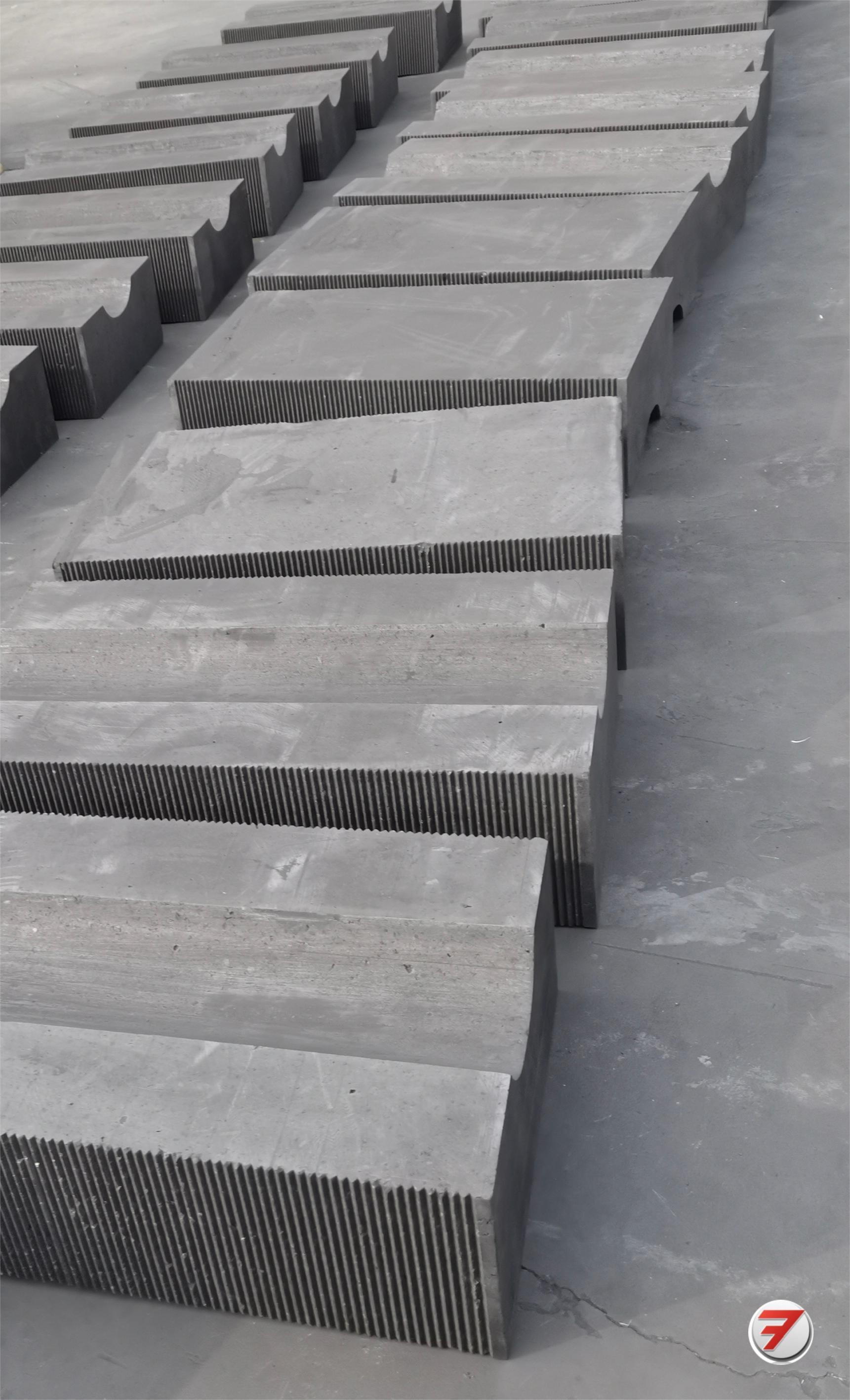
Isostatic graphite is a specialized form of graphite that is produced using an isostatic pressing process. This method involves applying uniform pressure from all directions, resulting in a material with exceptional homogeneity and mechanical properties. One of the key attributes of isostatic graphite is its excellent isotropic characteristics, meaning it exhibits uniform properties in all directions. This makes it an ideal choice for applications requiring precision and reliability.
One of the most significant benefits of isostatic graphite is its high thermal conductivity, which allows it to effectively dissipate heat. This property is crucial in industries such as semiconductor manufacturing, where heat management is essential for performance and longevity. Additionally, isostatic graphite boasts a high resistance to chemical attack, making it suitable for use in corrosive environments often found in metallurgical processes.
In terms of applications, isostatic graphite is widely utilized in the production of electrodes, particularly in electric arc furnaces. The material's ability to withstand high temperatures and thermal shock makes it invaluable in these high-demand environments. Furthermore, isostatic graphite is also employed in the manufacturing of molds and dies, where its precise dimensions and consistent quality are essential for producing high-quality components.
The exceptional mechanical strength of isostatic graphite also contributes to its use in aerospace and automotive industries. Components made from this material can endure extreme conditions while maintaining structural integrity, making it an advantageous choice for engineers looking to enhance performance and durability.
In addition to these applications, isostatic graphite is also gaining traction in the field of energy storage, particularly in the development of high-capacity batteries. Its unique properties enable improved efficiency and longevity in energy systems, presenting exciting opportunities for advancements in renewable energy technologies.
Overall, isostatic graphite stands out in the realm of non-metallic mineral products due to its remarkable properties and versatility. As industries continue to evolve and demand more innovative materials, the importance of isostatic graphite in metallurgy, energy, and other applications will undoubtedly grow. Professionals in these fields should consider the advantages offered by this unique material to enhance their projects and meet the rigorous demands of modern manufacturing.
Contact Us
E-mail:
Phone/WhatsApp:
+86 15711363051
Address:
Xingchuang International C912, Xinya Street No.15, Daxing District, Beijing, China



Contact
TEL: +8615711363051
EMAIL: sales@topflymaterial.com
ADD: Xingchuang International C912, Xinya Street No.15, Daxing District, Beijing, China