
Exploring the Versatility of Graphite Boats in the Metallurgy Industry
Feb 28,2026
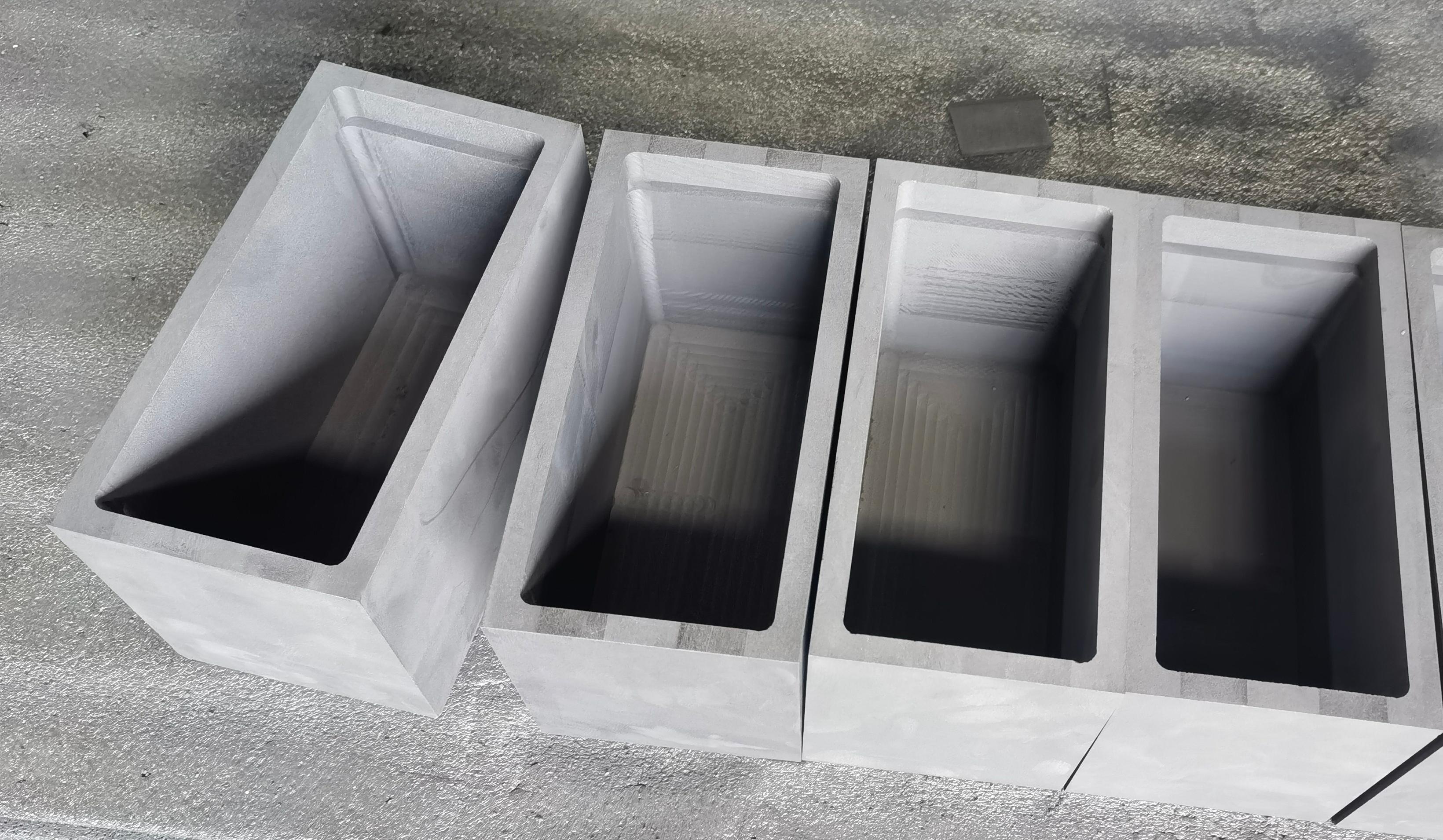
Exploring the Versatility of Graphite Boats in the Metallurgy Industry
Table of Contents
1. Introduction to Graphite Boats
2. The Role of Graphite in Metallurgy
3. Key Properties of Graphite Boats
3.1 High Thermal Resistance
3.2 Excellent Electrical Conductivity
3.3 Chemical Inertness
4. Applications of Graphite Boats in the Metallurgy Industry
4.1 Melting Processes
4.2 Casting and Molding
4.3 Heat Treatment
5. Advantages of Using Graphite Boats
5.1 Cost-Effectiveness
5.2 Durability and Longevity
6. Innovations and Trends in Graphite Boat Manufacturing
7. Environmental Considerations
8. Frequently Asked Questions (FAQs)
9. Conclusion
1. Introduction to Graphite Boats
Graphite boats have emerged as crucial components in the metallurgy industry, serving various functions from melting to casting metals. Their unique properties make them suitable for extreme high-temperature applications and chemical environments, ensuring that they outperform traditional materials. In this article, we will thoroughly explore the versatility of graphite boats, their properties, applications, and the benefits they bring to the metallurgy sector.
2. The Role of Graphite in Metallurgy
Graphite is a naturally occurring form of carbon, renowned for its exceptional properties. In metallurgy, it plays a pivotal role, particularly in processes requiring high temperatures and chemical stability. The incorporation of graphite boats enhances productivity and quality in metalworking processes, enabling manufacturers to achieve higher efficiencies.
3. Key Properties of Graphite Boats
Understanding the unique properties of graphite boats is essential to appreciate their value in the metallurgy industry.
3.1 High Thermal Resistance
Graphite boats can withstand extreme temperatures, often exceeding 3000°C in inert atmospheres. This high thermal resistance is vital for processes like melting where conventional materials would fail.
3.2 Excellent Electrical Conductivity
In applications requiring electrical heating, graphite boats exhibit excellent conductivity, reducing energy consumption and improving heating efficiency.
3.3 Chemical Inertness
Graphite's inherent chemical inertness makes it resistant to corrosive metals and other reactive materials, ensuring longevity and reliability in various applications.
4. Applications of Graphite Boats in the Metallurgy Industry
Graphite boats are versatile tools, utilized in multiple facets of the metallurgy sector.
4.1 Melting Processes
In melting applications, graphite boats facilitate the heating and melting of metals. Their thermal properties ensure uniform heating, reducing the risk of hot spots and ensuring a consistent melt.
4.2 Casting and Molding
Graphite boats are integral in casting processes, providing excellent surface finishes and dimensional accuracy. They help in producing castings with complex geometries, enhancing the overall quality of the final product.
4.3 Heat Treatment
During heat treatment processes, graphite boats are used to hold metals at specific temperatures. Their ability to maintain thermal stability contributes significantly to the metallurgical properties of the treated metals.
5. Advantages of Using Graphite Boats
The adoption of graphite boats in metallurgy comes with several notable advantages.
5.1 Cost-Effectiveness
Though the initial investment in graphite boats may be higher than traditional materials, their durability and longevity lead to decreased replacement costs over time.
5.2 Durability and Longevity
Graphite boats resist wear and tear exceptionally well, ensuring they can withstand multiple uses without significant degradation. This durability translates into longer service life and reduced operational disruptions.
6. Innovations and Trends in Graphite Boat Manufacturing
The industry is seeing innovative advancements in graphite boat design and production techniques. New manufacturing processes are leading to enhanced performance characteristics, such as improved thermal shock resistance and optimized geometries for specific applications. Companies are increasingly exploring advanced composite materials that integrate graphite with other substances to create hybrid solutions with superior properties.
7. Environmental Considerations
As sustainability becomes a focal point in the metallurgy industry, the environmental impact of materials used is under scrutiny. Graphite boats are inherently more eco-friendly compared to many alternatives. Their long lifespan reduces the frequency of replacements, thereby minimizing waste. Moreover, advancements in recycling technologies are enabling the recovery and reuse of graphite, further enhancing its environmental profile.
8. Frequently Asked Questions (FAQs)
What are graphite boats used for in metallurgy?
Graphite boats are primarily used in melting, casting, and heat treatment processes due to their high thermal resistance and excellent chemical inertness.
How do graphite boats compare to traditional materials?
Graphite boats outperform traditional materials in terms of thermal stability, durability, and performance under extreme conditions.
Are graphite boats cost-effective?
Yes, while the initial costs may be higher, their longevity and reduced need for replacements make them a cost-effective choice in the long run.
Can graphite boats be recycled?
Yes, advancements in recycling technologies allow for the recovery and reuse of graphite materials, contributing to sustainability efforts in the industry.
What innovations are being seen in graphite boat manufacturing?
Innovations include enhanced performance characteristics, new composite materials, and optimized designs tailored for specific applications within metallurgy.
9. Conclusion
Graphite boats are indispensable in the metallurgy industry, offering a myriad of benefits that enhance efficiency, quality, and sustainability. Their unique properties, including high thermal resistance, excellent electrical conductivity, and chemical inertness, make them superior choices for high-temperature applications. As the industry evolves, the innovations in graphite boat manufacturing are set to further widen their applications and enhance their performance. Understanding the versatility of graphite boats not only helps professionals make informed decisions but also underscores their significance in advancing the metallurgy sector.
Contact Us
E-mail:
Phone/WhatsApp:
+86 15711363051
Address:
Xingchuang International C912, Xinya Street No.15, Daxing District, Beijing, China



Contact
TEL: +8615711363051
EMAIL: sales@topflymaterial.com
ADD: Xingchuang International C912, Xinya Street No.15, Daxing District, Beijing, China