
Understanding Molded Graphite: Key Insights for Professionals in Non-Metallic Mineral Products
Feb 19,2026
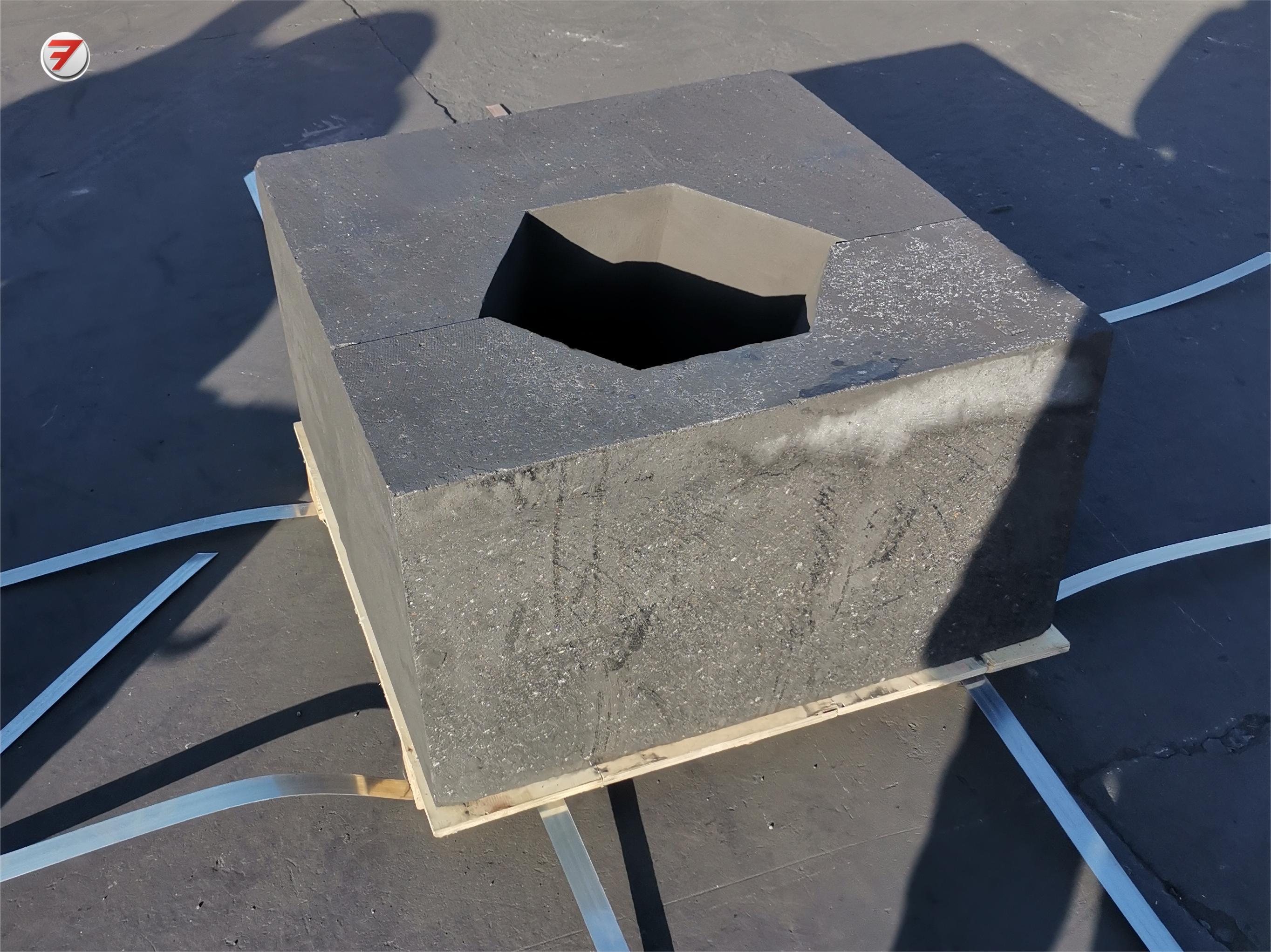
Molded graphite is a type of graphite that has been shaped through a molding process, allowing it to achieve specific forms and dimensions that are essential for various applications. This material is renowned for its excellent thermal conductivity, resistance to thermal shock, and ability to withstand high temperatures, making it a preferred choice in numerous industries, particularly in metallurgy and energy.
One of the most notable properties of molded graphite is its ability to resist oxidation at high temperatures. This characteristic is especially beneficial in applications such as foundries and furnaces, where materials are subject to extreme conditions. The durability of molded graphite also makes it an ideal candidate for components in the aerospace and automotive sectors, where reliable performance is critical.
Molded graphite is frequently utilized in the manufacture of electrodes used in electric arc furnaces and other applications where electrical conductivity is required. The material’s high density and structural integrity allow it to maintain performance levels even under strenuous conditions, enhancing the efficiency and effectiveness of the processes in which it is used.
Additionally, molded graphite has a low coefficient of thermal expansion, which is advantageous in applications that require precision components that do not warp or deform under heat. This property makes it a suitable choice for the production of molds and dies, critical in manufacturing processes.
Another significant advantage of molded graphite is its lightweight nature compared to metals, which can lead to reduced overall costs in production and transportation. This weight reduction can also enhance the energy efficiency of systems that rely on molded graphite components, making it an attractive option for companies focused on sustainability and cost-effectiveness.
In the realm of energy, molded graphite plays a vital role in the production of batteries and fuel cells, where its properties help improve energy storage and conversion efficiency. The continued development of energy technologies has led to an increased demand for high-performance materials like molded graphite, underscoring its importance in the evolving landscape of energy solutions.
In summary, molded graphite is a versatile and highly functional material that offers numerous advantages for various applications within the metallurgy and energy sectors. Its unique properties, including thermal conductivity, lightweight nature, and resistance to high temperatures, make it an essential component in the production of non-metallic mineral products. As industries continue to innovate, the role of molded graphite will undoubtedly expand, highlighting the need for professionals to stay informed about this valuable material.
Contact Us
E-mail:
Phone/WhatsApp:
+86 15711363051
Address:
Xingchuang International C912, Xinya Street No.15, Daxing District, Beijing, China



Contact
TEL: +8615711363051
EMAIL: sales@topflymaterial.com
ADD: Xingchuang International C912, Xinya Street No.15, Daxing District, Beijing, China