
Isostatic Graphite vs. Traditional Graphite: A Comprehensive Comparative Analysis for Industry Professionals
Feb 18,2026
Isostatic Graphite vs. Traditional Graphite: A Comprehensive Comparative Analysis
Table of Contents
- Introduction to Graphite Materials
- What is Traditional Graphite?
- What is Isostatic Graphite?
- Manufacturing Processes: A Closer Look
- Mechanical Properties Comparison
- Thermal Properties: Conductivity and Stability
- Applications of Isostatic vs. Traditional Graphite
- Cost Analysis: Is Isostatic Worth It?
- Future Trends in Graphite Technology
- Conclusion
- Frequently Asked Questions
Introduction to Graphite Materials
Graphite is a versatile material that plays a crucial role in various industries, ranging from electronics to metallurgy. Understanding the distinctions between **Isostatic Graphite** and **Traditional Graphite** is essential for professionals looking to make informed decisions about material selection. This comprehensive analysis delves into the properties, manufacturing processes, applications, and future trends of these two types of graphite.
What is Traditional Graphite?
Traditional graphite, often referred to as **flake graphite** or **natural graphite**, is derived from mining operations or synthetic processes. It features a layered structure that allows for excellent electrical conductivity and thermal stability. Traditional graphite is available in various forms, including powder, granules, and blocks, and is widely used in industries such as batteries, lubricants, and refractories.
Characteristics of Traditional Graphite
Traditional graphite boasts several key characteristics that make it suitable for various applications:
- **High Thermal Conductivity:** Facilitates effective heat dissipation.
- **Electrical Conductivity:** Essential for electronic applications.
- **Chemical Resistance:** Resilient against many acids and bases.
- **Lubrication Properties:** Reduces friction in mechanical applications.
What is Isostatic Graphite?
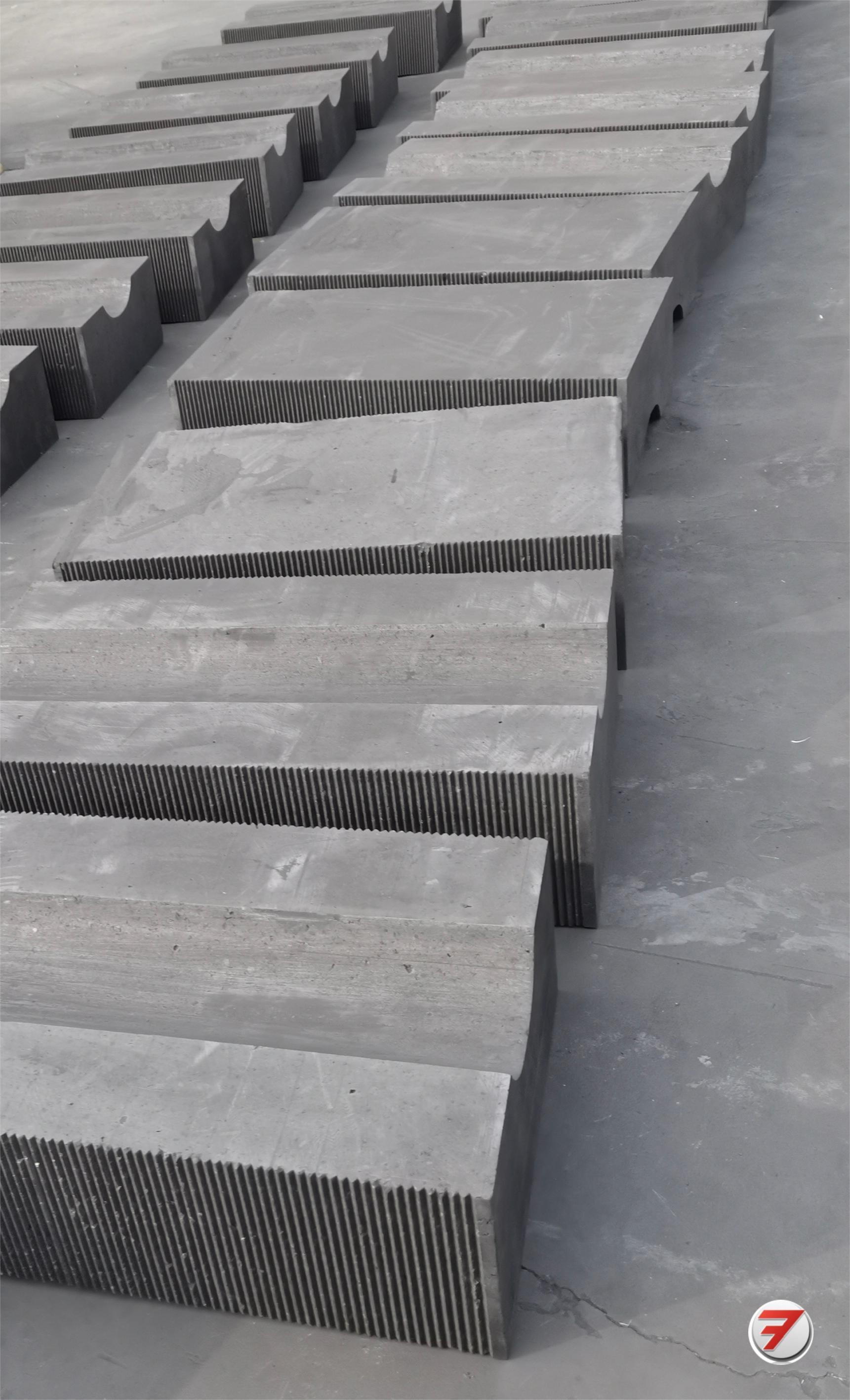
**Isostatic Graphite** is a premium form of graphite that is produced through an isostatic pressing process. This method involves applying equal pressure from all directions, leading to a more uniform density and improved properties. Isostatic graphite is often characterized by a finer grain structure, making it ideal for high-performance applications.
Distinct Features of Isostatic Graphite
Isostatic graphite offers unique advantages:
- **Uniform Density:** Results in consistent performance across applications.
- **High Machinability:** Allows for intricate shapes and designs.
- **Enhanced Strength:** Superior mechanical properties compared to traditional graphite.
- **Improved Thermal Management:** Higher thermal shock resistance.
Manufacturing Processes: A Closer Look
The manufacturing processes for traditional and isostatic graphite differ significantly, impacting their properties and applications.
Traditional Graphite Manufacturing
Traditional graphite is typically produced through the following steps:
1. **Mining:** Extracting natural graphite from the earth.
2. **Crushing and Milling:** Breaking down the mined material into smaller particles.
3. **Purification:** Removing impurities to enhance quality.
4. **Sizing:** Classifying into various particle sizes for different applications.
Isostatic Graphite Manufacturing
Isostatic graphite production involves:
1. **Raw Material Preparation:** Selecting high-quality graphite flakes.
2. **Molding:** Forming the graphite into desired shapes using a mold.
3. **Isostatic Pressing:** Applying uniform pressure to achieve high density.
4. **Sintering:** Heating to remove any residual additives and enhance properties.
5. **Machining:** Final shaping and finishing to meet precise specifications.
Mechanical Properties Comparison
When comparing **mechanical properties**, both isostatic and traditional graphite have unique advantages and disadvantages.
Strength and Durability
- **Isostatic Graphite:** Exhibits higher tensile strength and better impact resistance due to its uniform density.
- **Traditional Graphite:** While still strong, it can be more brittle, especially in larger pieces.
Flexibility and Machinability
- **Isostatic Graphite:** Offers superior machinability, enabling complex shapes and tighter tolerances.
- **Traditional Graphite:** While machinable, it may not achieve the same precision as isostatic graphite.
Thermal Properties: Conductivity and Stability
Both forms of graphite excel in thermal applications, but they differ in certain aspects.
Thermal Conductivity
- **Isostatic Graphite:** Generally has higher thermal conductivity, making it ideal for applications requiring efficient heat transfer.
- **Traditional Graphite:** Also possesses good conductivity, but its performance may vary based on the grade and form.
Thermal Expansion and Stability
- **Isostatic Graphite:** Displays lower thermal expansion, which is beneficial for applications involving rapid temperature changes.
- **Traditional Graphite:** May experience more significant expansion, affecting its performance in temperature-sensitive environments.
Applications of Isostatic vs. Traditional Graphite
The diverse properties of isostatic and traditional graphite lead to varied applications in multiple industries.
Isostatic Graphite Applications
- **Aerospace Components:** Used in heat shields and other high-performance parts.
- **Electrical Contacts:** Ideal for applications requiring high conductivity.
- **Nuclear Industry:** Utilized in reactors due to its superior thermal properties.
Traditional Graphite Applications
- **Lubricants:** Commonly used in industrial lubricants due to its slippery nature.
- **Battery Manufacturing:** A key component in lithium-ion batteries.
- **Refractories:** Essential for high-temperature environments in metallurgy.
Cost Analysis: Is Isostatic Worth It?
When evaluating costs, it's important to consider not only the price of materials but also their long-term benefits.
Initial Investment
Isostatic graphite generally comes at a higher upfront cost due to its complex manufacturing process. However, its enhanced performance often justifies this expense.
Long-Term Value
While traditional graphite may be less expensive initially, isostatic graphite can result in lower maintenance and replacement costs in high-performance applications, leading to better long-term value.
Future Trends in Graphite Technology
As industries evolve, so too do the demands for graphite materials. Several trends are shaping the future landscape of both isostatic and traditional graphite.
Advancements in Manufacturing Techniques
Innovations in production methods are likely to enhance the properties and reduce the costs of both types of graphite.
Sustainable Practices
With increasing environmental regulations, the shift towards sustainable and eco-friendly production processes will be crucial for future developments.
Emerging Applications
The rise of new technologies, such as electric vehicles and renewable energy, is expected to drive demand for both isostatic and traditional graphite.
Conclusion
In conclusion, both **Isostatic Graphite** and **Traditional Graphite** offer unique advantages and applications across diverse industries. While isostatic graphite excels in uniformity, strength, and thermal management, traditional graphite remains a reliable choice for a wide range of conventional applications. Understanding these differences is essential for making informed decisions in material selection, ultimately leading to enhanced performance and efficiency in various applications.
Frequently Asked Questions
1. What are the main differences between isostatic graphite and traditional graphite?
Isostatic graphite is produced through an isostatic pressing method that results in uniform density and improved properties, while traditional graphite typically has a layered structure and may vary in density and quality.
2. Which type of graphite is more suitable for high-temperature applications?
Isostatic graphite is often preferred for high-temperature applications due to its superior thermal stability and lower thermal expansion properties.
3. Is isostatic graphite worth the higher cost?
Yes, isostatic graphite generally provides long-term value due to its enhanced performance, which can lead to lower maintenance and replacement costs in demanding applications.
4. Can traditional graphite be used in electrical applications?
Yes, traditional graphite can be used in electrical applications, but isostatic graphite may offer better performance in terms of conductivity and durability.
5. What future developments can we expect in graphite technology?
Future developments may include advancements in manufacturing techniques, a shift towards sustainable practices, and emerging applications in electric vehicles and renewable energy technologies.
PREVIOUS:
Contact Us
E-mail:
Phone/WhatsApp:
+86 15711363051
Address:
Xingchuang International C912, Xinya Street No.15, Daxing District, Beijing, China



Contact
TEL: +8615711363051
EMAIL: sales@topflymaterial.com
ADD: Xingchuang International C912, Xinya Street No.15, Daxing District, Beijing, China