
How to Optimize Your Use of Graphite Blocks in Production for Maximum Efficiency
Feb 20,2026
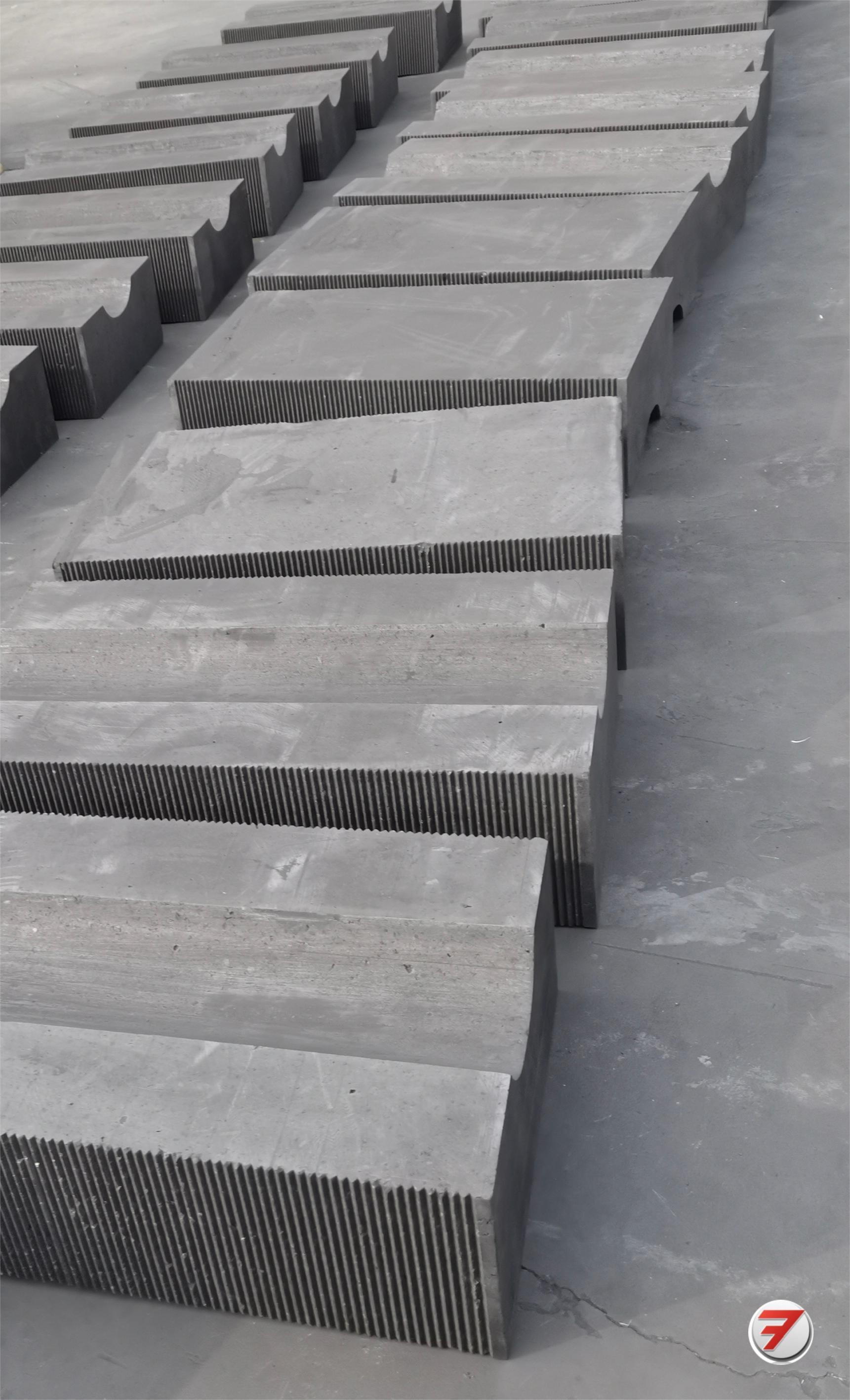
How to Optimize Your Use of Graphite Blocks in Production for Maximum Efficiency
Table of Contents
1. Understanding Graphite Blocks
2. The Importance of Graphite in Production Processes
3. Benefits of Using Graphite Blocks
4. Selecting the Right Graphite Blocks for Your Needs
4.1 Types of Graphite Blocks
4.2 Key Specifications to Consider
5. Best Practices for Using Graphite Blocks
5.1 Installation and Setup
5.2 Operating Conditions
6. Maintenance and Care of Graphite Blocks
6.1 Routine Maintenance Tips
6.2 Troubleshooting Common Issues
7. Case Studies: Successful Implementation of Graphite Blocks
8. Frequently Asked Questions
9. Conclusion
1. Understanding Graphite Blocks
Graphite blocks are a crucial component in various industrial applications, particularly in metallurgy and energy sectors. These blocks, characterized by their carbon content and unique crystalline structure, play a significant role in enhancing efficiency and productivity across several production processes. They are widely used in electrodes, heat exchangers, and as lubrication agents due to their excellent thermal and electrical conductivity.
2. The Importance of Graphite in Production Processes
The significance of graphite in production cannot be overstated. Graphite's unique properties, including high thermal resistance, chemical stability, and low friction, make it an essential material in various manufacturing processes. By optimizing the use of graphite blocks, industries can achieve improved performance and reduced operational costs.
3. Benefits of Using Graphite Blocks
Utilizing graphite blocks in production offers several advantages:
- **Enhanced Conductivity**: Graphite blocks provide superior thermal and electrical conductivity, making them ideal for high-performance applications.
- **Increased Durability**: These blocks exhibit remarkable wear resistance, allowing for longer service life and reduced downtime.
- **Cost-Effectiveness**: By optimizing graphite block usage, companies can lower their material costs while maintaining production efficiency.
- **Environmental Benefits**: Graphite is a sustainable material, enabling industries to adopt greener practices and reduce their carbon footprint.
4. Selecting the Right Graphite Blocks for Your Needs
Choosing the appropriate graphite blocks is vital for optimizing production efficiency. Here are key factors to consider:
4.1 Types of Graphite Blocks
There are several types of graphite blocks available, each tailored for specific applications. Common types include:
- **Isostatic Graphite**: Known for its uniform density and high strength, ideal for precision applications.
- **Extruded Graphite**: Often used in electrical applications due to its excellent conductivity and cost-effectiveness.
- **Molded Graphite**: Suitable for applications requiring complex shapes and high thermal stability.
4.2 Key Specifications to Consider
When selecting graphite blocks, it's essential to evaluate the following specifications:
- **Density**: Higher density typically correlates with better performance, especially in electrical applications.
- **Purity**: Look for high-purity graphite blocks to minimize contamination in your production process.
- **Thermal Conductivity**: Select blocks with superior thermal conductivity to enhance heat transfer efficiency.
5. Best Practices for Using Graphite Blocks
Implementing best practices can significantly enhance the effectiveness of graphite blocks in production.
5.1 Installation and Setup
Proper installation is crucial for maximizing the performance of graphite blocks. Ensure that the blocks are aligned correctly and securely fixed in place to prevent any operational issues.
5.2 Operating Conditions
Monitor operating conditions such as temperature and pressure, as deviations from optimal levels can adversely affect the performance of graphite blocks. Always adhere to manufacturer recommendations for the best results.
6. Maintenance and Care of Graphite Blocks
To ensure longevity and optimal performance of graphite blocks, regular maintenance is essential.
6.1 Routine Maintenance Tips
- Conduct regular inspections for signs of wear or damage.
- Clean graphite blocks periodically to remove any buildup that could impair functionality.
- Lubricate moving parts as necessary to reduce friction and prolong life.
6.2 Troubleshooting Common Issues
Be prepared to troubleshoot common problems, such as:
- **Overheating**: This may result from insufficient cooling or excessive operational demands. Adjust operational parameters accordingly.
- **Surface Damage**: Inspect for cracks or chips, and replace affected blocks to maintain performance.
7. Case Studies: Successful Implementation of Graphite Blocks
Numerous industries have successfully optimized their production processes by effectively utilizing graphite blocks. For instance, a leading automotive manufacturer reported a 25% increase in efficiency after switching to high-density isostatic graphite blocks in their machining operations. Such case studies highlight the transformative impact of proper graphite block usage on production efficiency.
8. Frequently Asked Questions
**Q1: What industries benefit most from graphite blocks?**
A1: Industries such as metallurgy, energy, and automotive manufacturing heavily rely on graphite blocks for their superior properties.
**Q2: How do I know which type of graphite block to choose?**
A2: Consider factors such as the specific application, required thermal and electrical conductivity, and environmental conditions when selecting graphite blocks.
**Q3: Can graphite blocks be recycled?**
A3: Yes, graphite blocks can be recycled, making them an environmentally friendly choice for sustainable manufacturing.
**Q4: What is the lifespan of graphite blocks?**
A4: The lifespan of graphite blocks varies depending on usage and maintenance but can range from several months to years with proper care.
**Q5: How can I enhance the performance of graphite blocks?**
A5: Regular maintenance, proper installation, and adherence to operational guidelines are key to enhancing the performance and longevity of graphite blocks.
9. Conclusion
Optimizing the use of graphite blocks in production is essential for achieving maximum efficiency and cost-effectiveness. By understanding the benefits, selecting the right types, and implementing best practices for maintenance and care, industries can significantly enhance their operational performance. As we continue to innovate and improve production methodologies, graphite blocks will remain a cornerstone of efficient manufacturing processes.
Contact Us
E-mail:
Phone/WhatsApp:
+86 15711363051
Address:
Xingchuang International C912, Xinya Street No.15, Daxing District, Beijing, China



Contact
TEL: +8615711363051
EMAIL: sales@topflymaterial.com
ADD: Xingchuang International C912, Xinya Street No.15, Daxing District, Beijing, China