
How RP Graphite Electrodes Enhance Energy Efficiency in Metallurgical Applications
Feb 10,2026
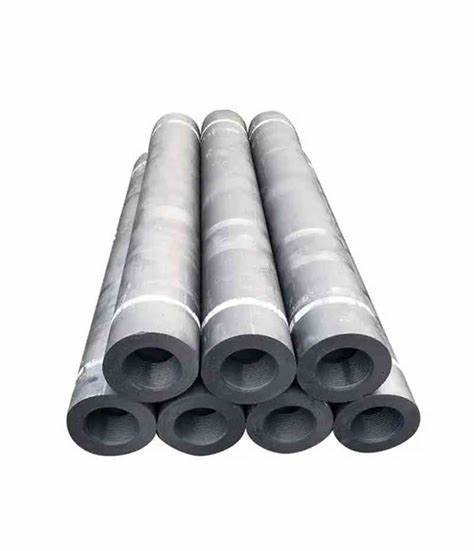
How RP Graphite Electrodes Enhance Energy Efficiency in Metallurgical Applications
In the world of metallurgy, the quest for energy efficiency is paramount. As industries strive to reduce costs and environmental impacts, the focus on innovative materials has never been more critical. Among these materials, RP (Regular Power) graphite electrodes have emerged as a game-changer, transforming energy consumption and operational effectiveness in metallurgical processes. This article will explore the myriad ways RP graphite electrodes contribute to enhanced energy efficiency in metallurgical applications.
Understanding RP Graphite Electrodes
RP graphite electrodes are crucial components in electric arc furnaces (EAFs) and ladle furnaces (LFs), where they play a pivotal role in the melting and refining processes of metals. Made from high-quality petroleum needle coke, these electrodes are characterized by their excellent electrical conductivity, thermal resistance, and mechanical strength. Their design and material properties enable efficient and effective performance in high-temperature environments, making them indispensable in modern metallurgy.
Composition and Manufacturing Process of RP Graphite Electrodes
The production of RP graphite electrodes involves several intricate steps. First, high-quality petroleum or coal tar pitch is heated and processed to create a needle coke base. This base is then mixed with a binder and shaped into cylindrical electrodes through a process called extrusion. After shaping, the electrodes undergo graphitization at high temperatures (around 3000°C) to enhance their electrical conductivity and mechanical properties. This meticulous manufacturing process ensures that RP graphite electrodes meet the stringent demands of metallurgical applications.
Key Features of RP Graphite Electrodes
RP graphite electrodes boast several features that contribute to their efficacy in metallurgical applications:
- High Electrical Conductivity: Essential for efficient energy transfer during metal melting processes.
- Thermal Stability: Capable of withstanding extreme temperatures without degradation.
- Mechanical Strength: Resistant to cracking and deformation under mechanical stress.
- Low Ash Content: Minimizes contamination in the molten metal, ensuring high-quality output.
The Role of RP Graphite Electrodes in Energy Efficiency
Energy efficiency is a critical factor in reducing operational costs and environmental impact in metallurgical processes. RP graphite electrodes play a significant role in achieving these efficiencies through several mechanisms.
Optimizing Power Consumption in Electric Arc Furnaces
Electric arc furnaces (EAFs) are widely recognized for their ability to recycle scrap metal with reduced energy consumption compared to traditional blast furnaces. RP graphite electrodes are instrumental in optimizing power consumption in EAFs. Their high electrical conductivity allows for efficient current flow, reducing the overall power required for melting operations. By minimizing energy losses, manufacturers can significantly lower their electricity costs and improve their carbon footprint.
Reducing Heat Losses in Metallurgical Processes
Heat losses during the melting and refining of metals can lead to substantial energy waste. RP graphite electrodes, with their excellent thermal stability, help maintain high temperatures within the furnace. By reducing heat transfer to the environment, these electrodes enhance the overall thermal efficiency of the process. As a result, less energy is needed to maintain optimal operating temperatures, further contributing to lower energy costs.
Impact on Production Efficiency and Yield
In addition to improving energy efficiency, RP graphite electrodes can significantly impact production efficiency and yield in metallurgical applications.
Enhancing Melting Rates
The high electrical conductivity of RP graphite electrodes facilitates faster melting rates of scrap metal in EAFs. This rapid melting process not only shortens production cycles but also increases throughput, allowing manufacturers to produce more metal in less time. Consequently, the combination of energy savings and increased output leads to enhanced profitability.
Improving Metal Quality and Reducing Defects
Another critical advantage of utilizing RP graphite electrodes is the improvement in the quality of the molten metal. The low ash content of these electrodes minimizes impurities, resulting in cleaner, higher-quality metal. Improved metal quality reduces the need for additional refining processes, which can be energy-intensive. This reduction in post-processing not only saves energy but also enhances overall production efficiency.
Technological Advancements in RP Graphite Electrode Design
As the metallurgy industry evolves, so does the technology behind RP graphite electrodes. Recent advancements have focused on enhancing performance, durability, and energy efficiency.
Emerging Trends in Electrode Manufacturing
Manufacturers are increasingly exploring new materials and production methods to improve the efficiency of RP graphite electrodes. Innovations such as the use of composite materials and advanced manufacturing techniques aim to enhance electrical conductivity and thermal stability even further. These advances contribute to the development of electrodes that can operate at higher temperatures and with lower energy consumption.
Integration of Smart Technology
The integration of smart technology into electrode manufacturing and usage is another emerging trend. Real-time monitoring systems can track electrode performance and predict failures, enabling operators to optimize their processes. By understanding when to replace electrodes and how to adjust operational parameters, manufacturers can enhance energy efficiency and reduce downtime, further improving productivity.
Environmental Benefits of RP Graphite Electrodes
In addition to economic advantages, RP graphite electrodes offer significant environmental benefits that align with the industry's push toward sustainability.
Reducing Carbon Footprint
The enhanced energy efficiency provided by RP graphite electrodes translates into lower fossil fuel consumption and reduced greenhouse gas emissions. As industries strive to meet stricter environmental regulations, the adoption of these electrodes can play a vital role in minimizing the carbon footprint of metallurgical operations.
Supporting Recycling Efforts
RP graphite electrodes facilitate the recycling of scrap metal, a process that is inherently more energy-efficient than primary metal production. By promoting the use of EAFs, which rely heavily on RP graphite electrodes, the industry can contribute to a circular economy, reducing waste and conserving natural resources.
Challenges and Considerations in Using RP Graphite Electrodes
While RP graphite electrodes offer numerous advantages, their use also presents challenges that must be addressed to maximize their benefits.
Cost Considerations
The initial investment in RP graphite electrodes can be higher than traditional electrode materials. However, the long-term energy savings and increased production efficiency often outweigh these initial costs. It is essential for manufacturers to conduct a thorough cost-benefit analysis to determine the best approach for their specific operational needs.
Maintenance and Handling Issues
RP graphite electrodes require proper handling and maintenance to ensure optimal performance. Their brittleness necessitates careful transport and installation, and operators should be trained in best practices to prevent damage. Regular inspections can also help identify potential issues before they impact production.
Future Outlook for RP Graphite Electrodes in Metallurgy
The future of RP graphite electrodes in metallurgical applications looks promising as technological advancements continue to emerge. With an increasing emphasis on sustainability and energy efficiency, the demand for high-performance electrodes is likely to grow. Manufacturers that invest in research and development will be well-positioned to capitalize on these trends.
Emerging Markets and Opportunities
As global steel production increases, developing regions such as Asia-Pacific and Africa present significant opportunities for RP graphite electrode manufacturers. The rise of electric arc furnace technology in these markets will drive demand, presenting a chance for innovation and expansion.
Conclusion: The Role of RP Graphite Electrodes in a Sustainable Future
In conclusion, RP graphite electrodes represent a vital component in enhancing energy efficiency in metallurgical applications. Their superior properties, coupled with advancements in technology and a focus on environmental sustainability, position them as essential tools for modern metal production. By investing in RP graphite electrodes, manufacturers can reduce energy consumption, improve production efficiency, and contribute to a more sustainable future for the metallurgy industry.
Frequently Asked Questions
1. What are RP graphite electrodes used for in metallurgy?
RP graphite electrodes are primarily used in electric arc furnaces and ladle furnaces for melting and refining metals, particularly scrap steel.
2. How do RP graphite electrodes enhance energy efficiency?
They enhance energy efficiency by optimizing power consumption, reducing heat losses, and improving melting rates, which leads to lower operational costs.
3. What are the advantages of using RP graphite electrodes over traditional electrode materials?
RP graphite electrodes offer higher electrical conductivity, thermal stability, and lower ash content, resulting in improved metal quality and reduced energy consumption.
4. Are there any environmental benefits associated with RP graphite electrodes?
Yes, their use can significantly reduce carbon emissions and support recycling efforts, contributing to a more sustainable metallurgical process.
5. What challenges are associated with using RP graphite electrodes?
Challenges include higher initial costs, the need for proper handling and maintenance, and ensuring long-term performance in high-temperature environments.
Contact Us
E-mail:
Phone/WhatsApp:
+86 15711363051
Address:
Xingchuang International C912, Xinya Street No.15, Daxing District, Beijing, China



Contact
TEL: +8615711363051
EMAIL: sales@topflymaterial.com
ADD: Xingchuang International C912, Xinya Street No.15, Daxing District, Beijing, China