
The Essential Guide to Isostatic Graphite: Properties, Applications, and Benefits
Feb 11,2026
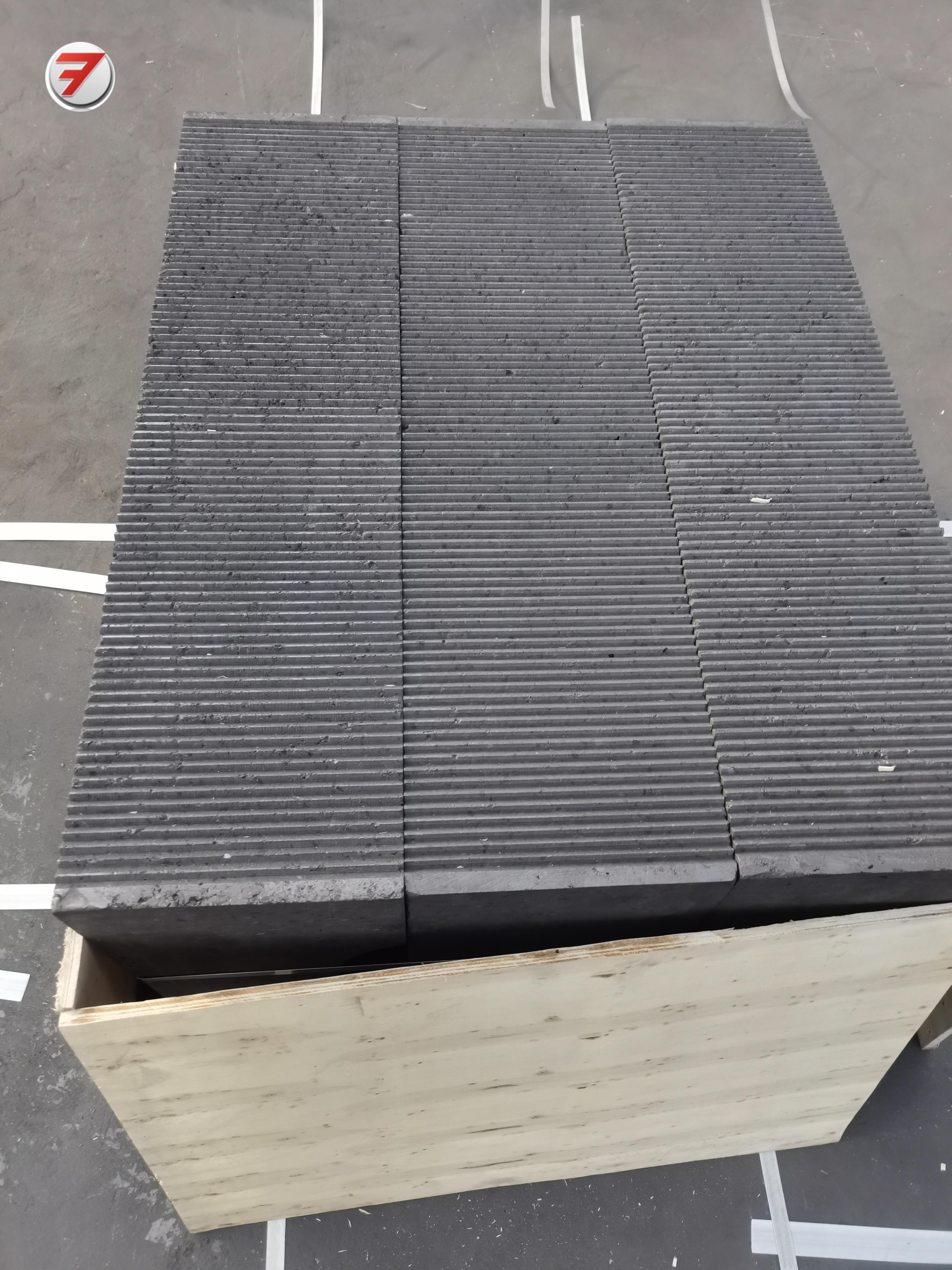
Isostatic graphite, also known as isostatically pressed graphite, is a form of graphite that is produced through a unique manufacturing process that involves applying pressure uniformly from all directions. This process enhances the material's density and structural integrity, resulting in superior performance characteristics compared to conventional graphite forms.
One of the most notable properties of isostatic graphite is its exceptional strength-to-weight ratio. This makes it an ideal choice for applications that require lightweight materials without compromising on strength. Additionally, isostatic graphite exhibits excellent thermal conductivity, making it suitable for high-temperature applications such as furnace components and heat shields. Its resistance to thermal shock also allows it to withstand rapid temperature changes, which is essential in many industrial processes.
In the metallurgy sector, isostatic graphite is often used in the production of electrodes and dies. These components play a critical role in electric arc furnaces and other metal processing equipment. The uniform properties of isostatic graphite ensure consistent performance, which is vital for achieving high-quality metal products. Furthermore, its low coefficient of thermal expansion minimizes dimensional changes during heating and cooling cycles, contributing to the longevity and reliability of the equipment.
In the energy sector, isostatic graphite is increasingly being utilized in the manufacturing of nuclear reactor components. Its ability to withstand radiation exposure while maintaining structural integrity makes it an invaluable material for this application. Additionally, isostatic graphite's high purity levels reduce the risk of contamination, further enhancing its suitability for sensitive energy applications.
Beyond metallurgy and energy, isostatic graphite has found its way into various other industries, including electronics, automotive, and aerospace. In the electronics sector, it is used in the fabrication of semiconductors and components that require high thermal conductivity and electrical resistance. In the automotive and aerospace industries, isostatic graphite is employed in the production of lightweight yet strong components, contributing to improved fuel efficiency and overall performance.
In summary, isostatic graphite is a versatile material with a wide range of applications across different sectors. Its unique properties, including high thermal conductivity, strength, and resistance to thermal shock, make it an essential component in many industrial processes. Understanding the benefits and applications of isostatic graphite can help professionals make informed decisions when selecting materials for specific applications, ultimately leading to improved efficiency and effectiveness in their operations.
Contact Us
E-mail:
Phone/WhatsApp:
+86 15711363051
Address:
Xingchuang International C912, Xinya Street No.15, Daxing District, Beijing, China



Contact
TEL: +8615711363051
EMAIL: sales@topflymaterial.com
ADD: Xingchuang International C912, Xinya Street No.15, Daxing District, Beijing, China