
The Essential Role of Graphite Electrodes in Metallurgy and Energy Industries
Feb 09,2026
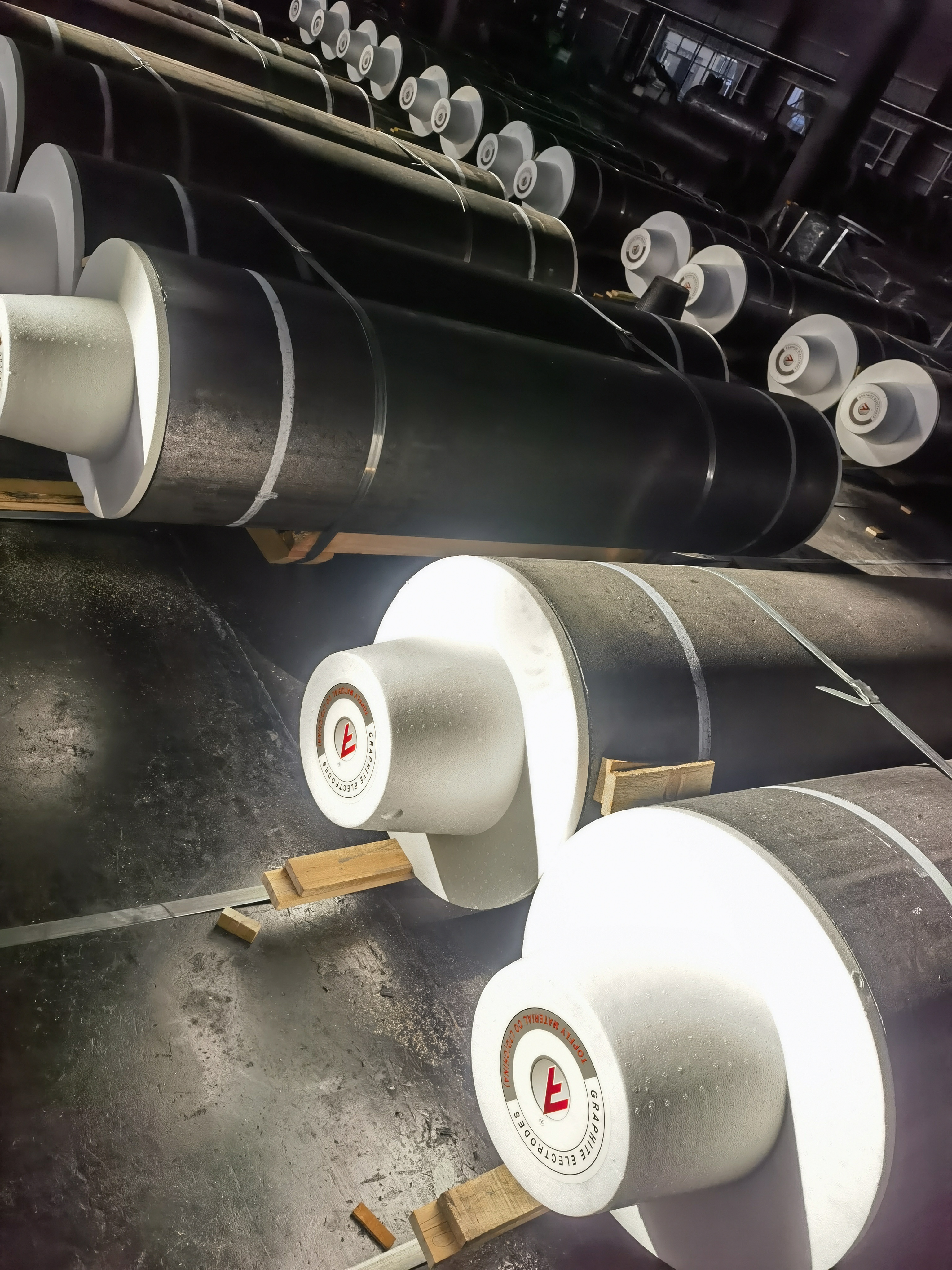
Graphite electrodes are vital tools in the metallurgy and energy sectors, particularly for electric arc furnaces (EAFs) used in steel manufacturing. These electrodes facilitate the transfer of electrical energy to melt scrap metal and produce steel, which is integral to various industries, including construction, automotive, and aerospace. The versatility of graphite, coupled with its ability to withstand high temperatures, makes it an ideal choice for these applications.
The manufacturing process of graphite electrodes begins with the selection of quality petroleum needle coke, which undergoes a rigorous process of calcination and graphitization. The calcination process removes impurities and enhances the structure of the material, while graphitization transforms the carbon structure to improve conductivity and thermal resistance. After these processes, electrodes are machined to precise dimensions to meet the specifications required by the end-users.
One important consideration when working with graphite electrodes is the quality and characteristics of the electrode itself. Factors such as electrical conductivity, thermal stability, and mechanical strength are critical for performance. Professionals in the metallurgy industry should prioritize sourcing electrodes from reputable manufacturers that adhere to strict quality control standards. This ensures that the electrodes can withstand the rigors of the melting process while delivering efficient energy transfer.
Additionally, operational factors such as electrode consumption rates and appropriate handling techniques can significantly impact the overall efficiency of the electric arc furnace. Understanding the typical wear patterns and lifespan of graphite electrodes can help in planning maintenance schedules and minimizing downtime. Regular monitoring and assessment of electrode performance also enable companies to optimize their processes and reduce operational costs.
Graphite electrodes are not just limited to steel production; they also find applications in the production of non-ferrous metals, smelting processes, and even in certain energy generation techniques. As industries continue to evolve with advancements in technology, the demand for high-performance graphite electrodes is likely to increase. Professionals must stay informed about emerging trends and innovations in electrode technology to remain competitive and responsive to market needs.
In summary, graphite electrodes play an essential role in the metallurgy and energy sectors, directly influencing production efficiency and product quality. By understanding the manufacturing processes, quality considerations, and operational best practices, industry professionals can leverage graphite electrodes to enhance their production capabilities and drive business success.
Contact Us
E-mail:
Phone/WhatsApp:
+86 15711363051
Address:
Xingchuang International C912, Xinya Street No.15, Daxing District, Beijing, China



Contact
TEL: +8615711363051
EMAIL: sales@topflymaterial.com
ADD: Xingchuang International C912, Xinya Street No.15, Daxing District, Beijing, China