
Why High Purity Graphite is Crucial for Modern Metallurgy
Jan 22,2026
Why High Purity Graphite is Crucial for Modern Metallurgy
Table of Contents
- Introduction to High Purity Graphite
- What is High Purity Graphite?
- Benefits of High Purity Graphite in Metallurgy
- Applications of High Purity Graphite
- Sustainability and Eco-Friendliness
- Economic Impact of High Purity Graphite
- The Future of High Purity Graphite in Metallurgy
- Frequently Asked Questions
- Conclusion
Introduction to High Purity Graphite
High purity graphite is a form of carbon that has been purified to an exceptionally high degree, resulting in a material that is not only unique but also essential in modern metallurgy. Its myriad properties make it indispensable across various industries, particularly those focused on advanced manufacturing and energy efficiency. In this article, we will explore why high purity graphite is crucial for modern metallurgy and how it influences various applications, from steelmaking to renewable energy technologies.
What is High Purity Graphite?
High purity graphite typically contains more than 99% carbon content. This remarkable purity level is achieved through advanced purification processes, which may include chemical treatment, thermal treatment, and flotation techniques. The result is a highly conductive and chemically stable form of graphite that can withstand extreme conditions while delivering superior performance.
The high purity level is critical because it minimizes impurities that could negatively impact the material's performance in metallurgical applications. The production of high purity graphite often involves sourcing from natural graphite deposits, followed by rigorous processing to ensure that impurities like sulfur, iron, and other minerals are removed.
Benefits of High Purity Graphite in Metallurgy
The incorporation of high purity graphite in metallurgical processes brings several benefits that enhance manufacturing efficiency and product quality. Below, we will discuss the most significant advantages this material offers.
Enhanced Electrical Conductivity
High purity graphite exhibits exceptional electrical conductivity, making it an ideal material for various applications in metallurgy. Its ability to efficiently conduct electricity is crucial in processes such as electric arc furnace steelmaking, where electric currents are used to melt scrap steel. The success of these operations depends on high conductivity to ensure optimal energy consumption and efficient heating.
Moreover, high purity graphite is often utilized in the production of electrodes, which are integral components in various metallurgical processes. These electrodes must maintain conductivity under high temperatures and aggressive environments, and high purity graphite excels in these scenarios.
Superior Thermal Resistance
Another significant advantage of high purity graphite is its superior thermal resistance. This property allows it to withstand high temperatures without degrading, making it suitable for use in environments where other materials may fail. In metallurgy, maintaining high temperatures is essential for processes like smelting and refining metals. Graphite’s ability to resist thermal shock and maintain structural integrity is vital for the longevity of metallurgical equipment.
Furthermore, the thermal stability of high purity graphite contributes to energy efficiency by minimizing heat loss during metallurgical processes. This efficiency is particularly beneficial in the context of rising energy costs and the need for sustainable production methods.
Chemical Inertness and Stability
High purity graphite is chemically inert, which means it does not react with most substances, including acids and bases. This property is crucial in metallurgy, as it helps prevent contamination of the metals being processed. In processes such as steelmaking, any impurities could lead to defects in the final product, which could compromise strength and durability.
Additionally, the stability of high purity graphite under extreme conditions ensures that it can be employed in various applications without fear of degradation or reaction with other materials. This characteristic makes it an invaluable asset for industries focused on producing high-quality metal products.
Applications of High Purity Graphite
High purity graphite is utilized in a variety of metallurgical applications, where its unique properties significantly enhance production methods and the quality of end products.
Steel Manufacturing
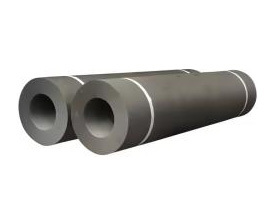
In steel manufacturing, high purity graphite is primarily used to produce electrodes for electric arc furnaces. These furnaces rely on the efficient conduction of electricity to melt scrap metal, and high purity graphite electrodes are favored due to their exceptional conductivity and thermal resistance.
The use of high purity graphite in steelmaking not only improves energy efficiency but also enhances the quality of the steel produced. The low levels of impurities in high purity graphite contribute to the production of cleaner, stronger, and more durable steel, meeting the rigorous demands of modern construction and manufacturing.
Battery Production
The rise of electric vehicles and renewable energy storage solutions has driven an increased demand for high purity graphite in battery production. Graphite serves as an essential component in lithium-ion batteries, where it functions as the anode material.
High purity graphite enables higher energy density and longer cycle life in batteries, making it a critical material for advancing energy storage technologies. As the world shifts toward greener energy solutions, the role of high purity graphite in battery production will continue to grow.
Nuclear Energy Solutions
High purity graphite is also used in the nuclear energy sector, particularly in the construction of nuclear reactors. It serves as a moderator, slowing down neutrons to sustain the nuclear fission process. The chemical stability and thermal resistance of high purity graphite make it ideal for use in high-temperature gas-cooled reactors.
As the demand for clean and sustainable energy sources grows, high purity graphite's role in nuclear energy will become increasingly important, highlighting its versatility across various metallurgical applications.
Sustainability and Eco-Friendliness
The metallurgical industry faces growing pressure to adopt sustainable practices, and high purity graphite offers numerous environmental benefits. Its use in electric arc furnaces not only reduces energy consumption but also promotes recycling by facilitating the melting of scrap materials.
Moreover, the longevity and durability of high purity graphite components reduce waste and the need for frequent replacements, contributing to a more sustainable manufacturing process. As industries strive to minimize their environmental footprint, high purity graphite will play a pivotal role in achieving these goals.
Economic Impact of High Purity Graphite
The economic impact of high purity graphite in metallurgy is substantial. As demand for high-quality metals and materials continues to rise, the need for efficient manufacturing solutions becomes more critical. High purity graphite enables manufacturers to produce superior products while minimizing operational costs.
The versatility of high purity graphite across various applications contributes to its growing market value. As industries invest in advanced materials, the economic landscape will likely see an enhanced focus on graphite-based solutions, driving innovation and growth in the sector.
The Future of High Purity Graphite in Metallurgy
The future of high purity graphite in metallurgy looks promising. As technology advances, the demand for high-performance materials will continue to increase. Innovations in purification techniques and the development of synthetic high purity graphite will further expand its applications.
Additionally, the ongoing search for sustainable and eco-friendly solutions will bolster high purity graphite’s role in various industries. As the world moves toward greener energy and resource-efficient practices, high purity graphite will remain at the forefront of metallurgical advancements.
Frequently Asked Questions
1. What is the difference between high purity graphite and regular graphite?
High purity graphite contains over 99% carbon, whereas regular graphite may contain a higher percentage of impurities. This difference in purity significantly impacts the performance and applications of the material.
2. How is high purity graphite produced?
High purity graphite is produced through various purification methods, including chemical treatments, thermal treatments, and flotation techniques to remove impurities and achieve high carbon content.
3. What are the main applications of high purity graphite?
High purity graphite is primarily used in steel manufacturing, battery production, and nuclear energy applications, among others.
4. Why is high purity graphite important for battery technology?
High purity graphite serves as the anode material in lithium-ion batteries, enhancing energy density and cycle life, which are crucial for the efficiency of electric vehicles and energy storage systems.
5. How does high purity graphite contribute to sustainability in metallurgy?
High purity graphite promotes recycling in steelmaking and reduces energy consumption in manufacturing processes, contributing to more sustainable production practices.
Conclusion
High purity graphite is undeniably crucial for modern metallurgy, playing an essential role in enhancing efficiency, product quality, and sustainability across various applications. As industries increasingly prioritize performance and eco-friendliness, the significance of high purity graphite will only continue to grow. By understanding its benefits and applications, we can appreciate the vital role this remarkable material plays in shaping the future of metallurgy and energy solutions.
Contact Us
E-mail:
Phone/WhatsApp:
+86 15711363051
Address:
Xingchuang International C912, Xinya Street No.15, Daxing District, Beijing, China



Contact
TEL: +8615711363051
EMAIL: sales@topflymaterial.com
ADD: Xingchuang International C912, Xinya Street No.15, Daxing District, Beijing, China