
Understanding Graphite Electrodes: Key Insights for the Metallurgical Industry
Jan 23,2026
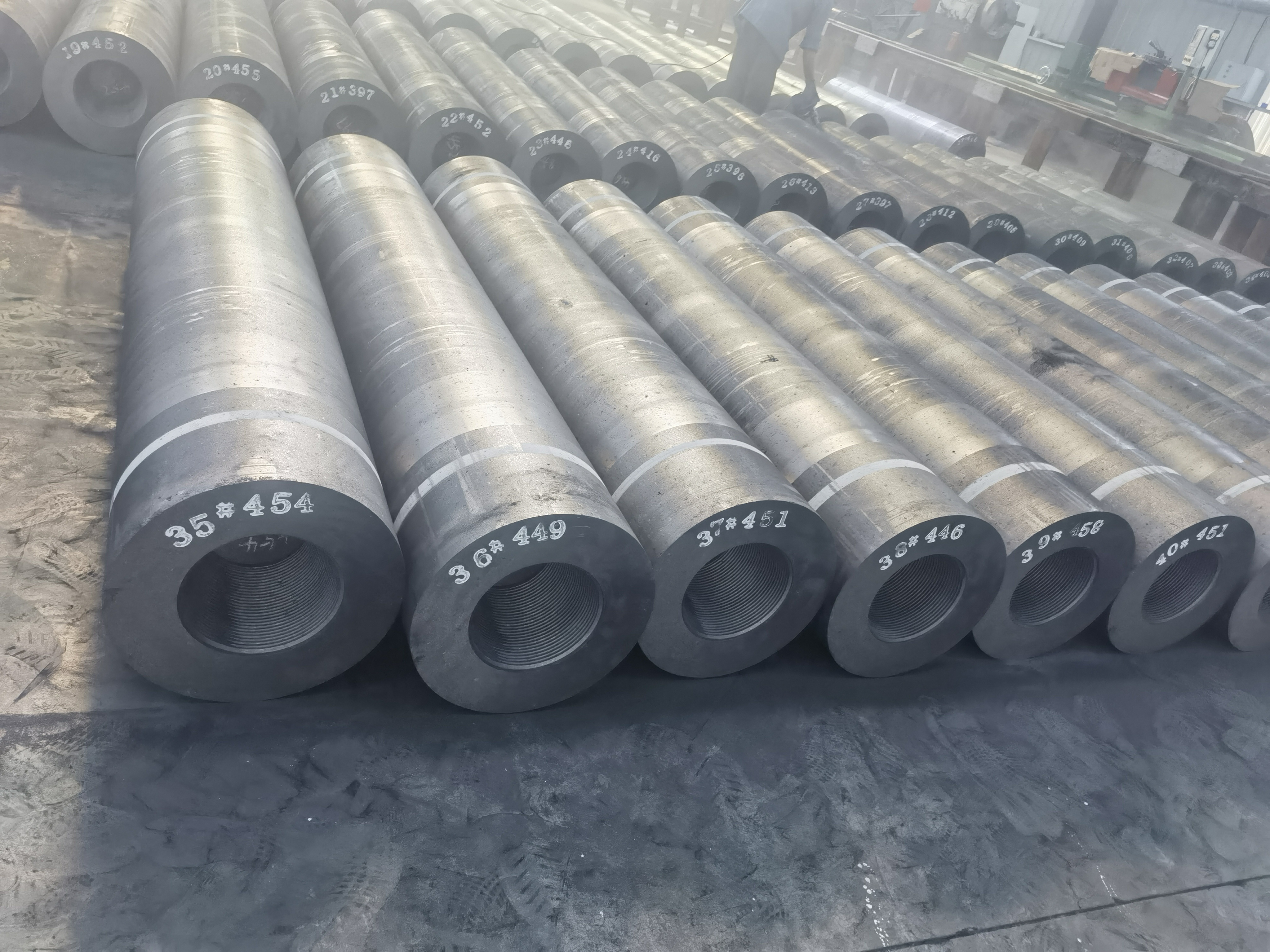
Graphite electrodes play a crucial role in the metallurgical and energy industries, particularly in electric arc furnaces (EAF) for steelmaking and other metal production processes. These electrodes are made from high-quality needle coke, which is derived from petroleum. The unique properties of graphite, such as high electrical conductivity, thermal resistance, and mechanical strength, make graphite electrodes ideal for use in intense environments.
One of the primary applications of graphite electrodes is in the production of steel. EAFs use these electrodes to generate the necessary heat for melting scrap steel or direct reduced iron (DRI). The efficiency of the melting process heavily relies on the quality and performance of the graphite electrodes. High-quality electrodes can lead to reduced energy consumption, lower production costs, and improved product quality.
In addition to steelmaking, graphite electrodes are also utilized in the production of aluminum, copper, and other non-ferrous metals. The versatility of graphite electrodes allows for their use in various industries, including foundries, and in the manufacturing of high-temperature furnaces and chemical reactors. This adaptability makes them an essential component of modern metallurgy.
When selecting graphite electrodes, several factors should be considered. Firstly, the quality of raw materials can significantly impact the performance of the electrodes. Higher-quality needle coke results in electrodes with better electrical conductivity and thermal resistance. Additionally, the manufacturing process, including the baking and graphitization stages, should adhere to stringent quality control measures to ensure optimal performance.
Another crucial consideration is the size and shape of the electrodes. The dimensions must be compatible with the furnace design and energy requirements of the specific application. Larger electrodes may offer advantages in terms of longevity and performance; however, they also require specialized handling and installation techniques.
Furthermore, as the metallurgical industry evolves, so do the demands for graphite electrodes. The increasing emphasis on sustainability and environmental considerations has led to the development of new technologies and materials that can enhance the performance of graphite electrodes while minimizing their environmental impact. This trend presents both challenges and opportunities for businesses, urging them to stay informed about advancements in materials science and processing technologies.
In conclusion, graphite electrodes are indispensable to the metallurgical and energy sectors, offering numerous advantages in the production of metals. Companies should focus on quality, compatibility, and sustainability when choosing graphite electrodes to ensure optimal performance and efficiency in their operations. By understanding the critical aspects of graphite electrodes, businesses can make informed decisions that enhance both productivity and environmental responsibility.
Contact Us
E-mail:
Phone/WhatsApp:
+86 15711363051
Address:
Xingchuang International C912, Xinya Street No.15, Daxing District, Beijing, China



Contact
TEL: +8615711363051
EMAIL: sales@topflymaterial.com
ADD: Xingchuang International C912, Xinya Street No.15, Daxing District, Beijing, China