
Understanding Graphite Boats: Essential Components in Metallurgy and Energy Applications
Jan 21,2026
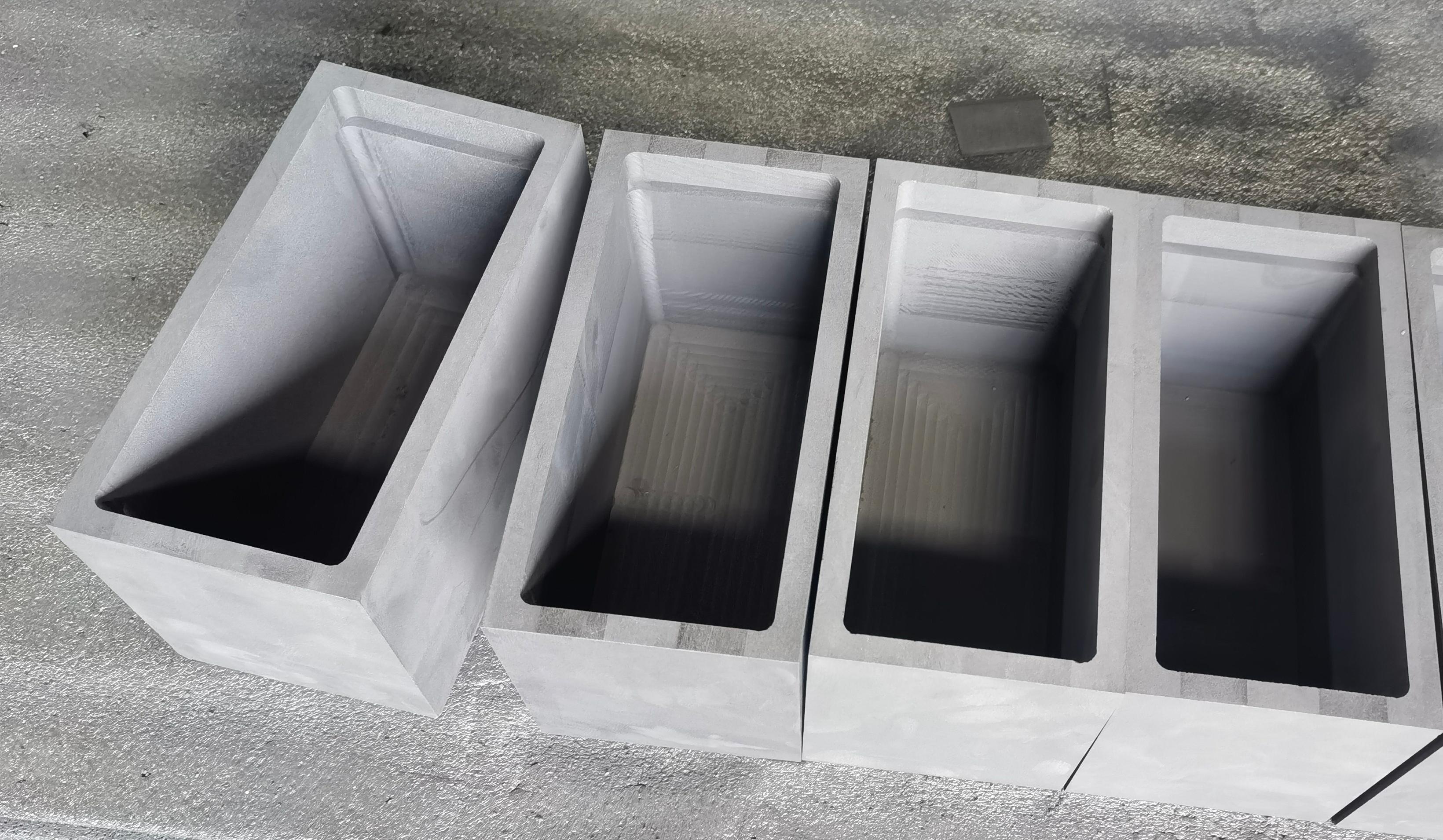
Graphite boats are specialized components widely used in various industries, particularly within metallurgy and energy sectors. These boats are constructed from high-purity graphite, which is known for its excellent thermal conductivity, high-temperature resistance, and chemical inertness. These properties make graphite boats a vital element in various applications, particularly in the processing of metals and non-metallic mineral products.
One of the primary uses of graphite boats is in the casting and melting of metals. In metallurgy, when metals are melted at high temperatures, the containment vessel must endure extreme conditions without compromising the quality of the molten material. Graphite boats excel in this role due to their ability to withstand temperatures exceeding 3000 degrees Celsius without deforming or reacting with the metal. This characteristic is essential for achieving high-quality castings, ensuring that no contamination occurs during the melting process.
In addition to their role in metal processing, graphite boats are also used extensively in the production of non-metallic mineral products. Their ability to provide a stable and inert environment makes them ideal for applications involving graphite and carbon-based materials. For instance, during the sintering process, where powdered materials are heated to form a solid mass, graphite boats help maintain the integrity of the material being processed. This is crucial in producing high-performance carbon products that meet the stringent requirements of modern industries.
Moreover, graphite boats contribute to energy efficiency in various applications. The excellent thermal conductivity of graphite allows for uniform heat distribution, reducing energy consumption during processing. This not only helps in lowering operational costs but also aligns with the growing demand for sustainable practices in manufacturing.
Another significant advantage of graphite boats is their lightweight nature. This attribute simplifies handling and transportation, making them easier to work with in industrial settings. Additionally, their durability means that they require less frequent replacement, further enhancing their cost-effectiveness over time.
In summary, graphite boats play a critical role in the metallurgy and energy sectors, particularly concerning non-metallic mineral products. Their unique properties—such as high-temperature tolerance, chemical inertness, and excellent thermal conductivity—make them indispensable for various applications, from metal casting to the production of advanced carbon materials. As industries continue to evolve, the importance of graphite boats in ensuring efficiency and quality in manufacturing processes cannot be overstated. Understanding these components is essential for professionals in the field, as they are key to achieving optimal results in metallurgy and energy applications.
Contact Us
E-mail:
Phone/WhatsApp:
+86 15711363051
Address:
Xingchuang International C912, Xinya Street No.15, Daxing District, Beijing, China



Contact
TEL: +8615711363051
EMAIL: sales@topflymaterial.com
ADD: Xingchuang International C912, Xinya Street No.15, Daxing District, Beijing, China