
Why Graphite Blocks Are the Foundation of Modern Manufacturing
Jan 20,2026
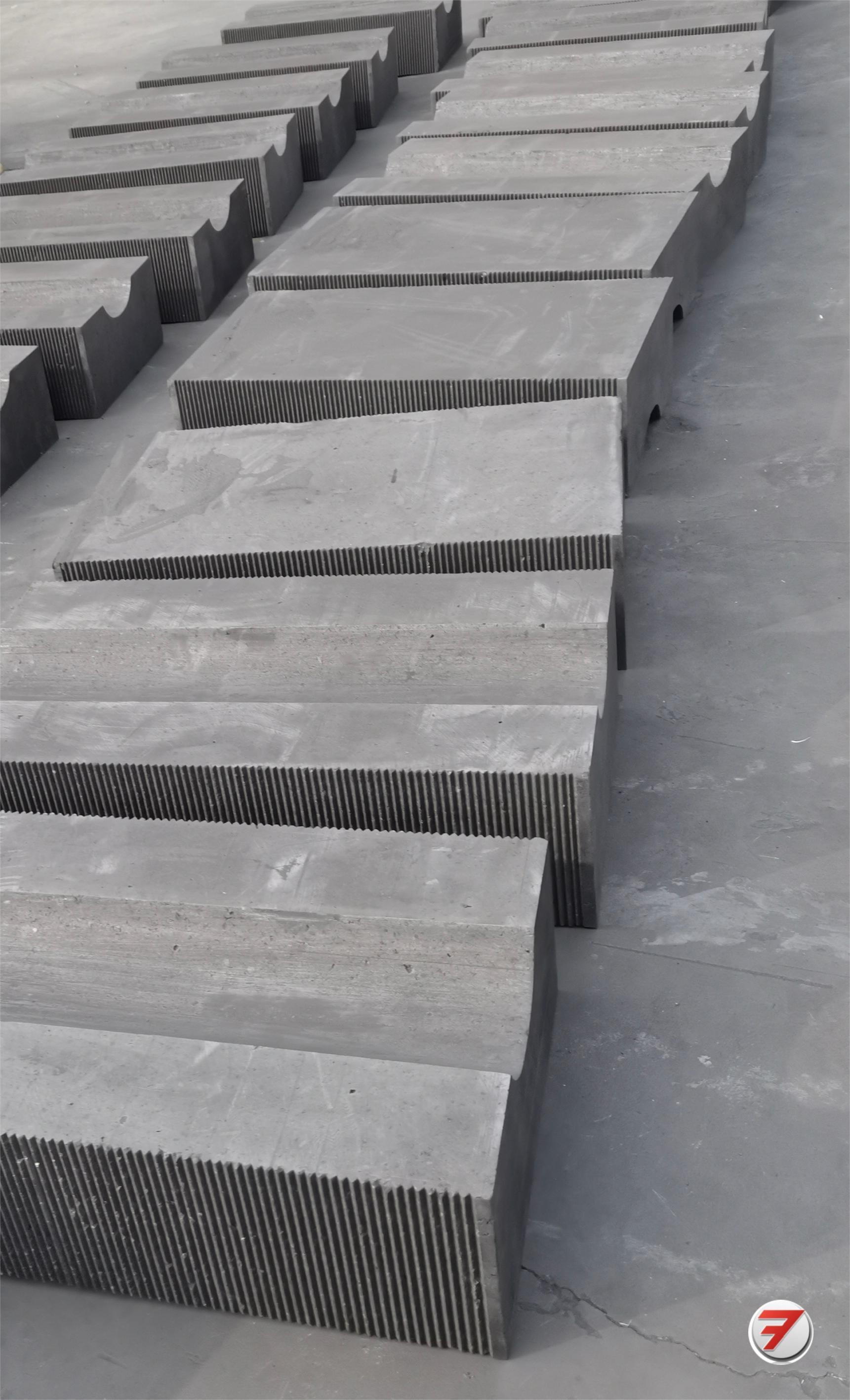
Why Graphite Blocks Are the Foundation of Modern Manufacturing
Table of Contents
1. Introduction to Graphite Blocks
2. The Unique Properties of Graphite
3. Applications of Graphite Blocks in Manufacturing
3.1. Electrical Applications
3.2. Thermal Applications
3.3. Structural Components
4. Advantages of Using Graphite Blocks
5. The Future of Graphite in Manufacturing
6. Environmental Impact and Sustainability
7. Frequently Asked Questions (FAQs)
8. Conclusion
1. Introduction to Graphite Blocks
Graphite blocks are vital components in numerous manufacturing processes. Known for their unique combination of physical and chemical properties, these blocks serve various functions across multiple industries. As we dive deeper into the significance of graphite blocks, we uncover why they are often considered the backbone of modern manufacturing.
2. The Unique Properties of Graphite
Graphite boasts a range of exceptional properties that contribute to its widespread use in manufacturing. These include:
- **High Thermal Conductivity**: Graphite can effectively conduct heat, making it ideal for applications requiring efficient thermal management.
- **Electrical Conductivity**: The material's ability to conduct electricity is crucial for manufacturing processes involving electrical components.
- **Chemical Resistance**: Graphite is resistant to a range of chemicals, which enhances its durability and longevity in various environments.
- **Low Coefficient of Friction**: This property allows graphite to be an excellent lubricant, reducing wear and tear on machinery.
- **Malleability and Machinability**: Graphite can be easily shaped and machined, facilitating the creation of custom components.
These properties position graphite blocks as indispensable materials in various industrial applications.
3. Applications of Graphite Blocks in Manufacturing
The versatility of graphite blocks allows them to be utilized in several manufacturing applications, each leveraging their unique properties.
3.1. Electrical Applications
In the electrical industry, graphite blocks are used in the production of electrodes for electric arc furnaces. These electrodes are essential for melting metals and producing steel, making graphite a critical material in metallurgical processes. Additionally, graphite's electrical conductivity makes it suitable for making batteries, where it serves as both a conductive agent and an anode material.
3.2. Thermal Applications
Graphite blocks excel in applications requiring efficient heat management. They are often used in the production of heat exchangers and furnaces, where their thermal conductivity helps maintain optimal temperatures. In industries such as aerospace and automotive, graphite insulation materials are vital for protecting sensitive components from extreme temperatures.
3.3. Structural Components
The strength and durability of graphite blocks make them ideal for structural components in various manufacturing setups. They are commonly used in the production of molds, dies, and other components requiring high strength and precision. Their machinability allows for the creation of intricate designs, enhancing the overall functionality of manufacturing equipment.
4. Advantages of Using Graphite Blocks
The choice to utilize graphite blocks in manufacturing is backed by several advantages:
- **Cost-Effectiveness**: While the initial investment may seem high, the longevity and efficiency of graphite components lead to lower overall costs in manufacturing.
- **Performance Efficiency**: Graphite blocks enhance the performance of machines, reducing downtime and increasing productivity.
- **Sustainability**: Graphite is a naturally occurring material, and advancements in recycling processes have made it more sustainable, allowing manufacturers to reduce their environmental footprint.
These advantages highlight why manufacturers are increasingly turning to graphite blocks as a foundational element in their operations.
5. The Future of Graphite in Manufacturing
The future of graphite blocks in manufacturing looks promising. With ongoing advancements in technology, new applications are emerging. For instance, the rise of electric vehicles has led to an increased demand for high-performance batteries, where graphite plays a critical role. Additionally, innovations in material science may further enhance the properties of graphite, leading to even more efficient and effective manufacturing solutions.
6. Environmental Impact and Sustainability
As industries worldwide strive for sustainability, the use of graphite blocks aligns with these goals. The natural abundance of graphite, combined with improved recycling techniques, minimizes environmental impact. Manufacturers are increasingly adopting practices that reduce waste and promote the reuse of materials, ensuring that graphite blocks contribute positively to sustainability objectives.
7. Frequently Asked Questions (FAQs)
1. What are graphite blocks made of?
Graphite blocks are primarily composed of carbon atoms arranged in a lattice structure, which gives them their unique properties and characteristics.
2. How are graphite blocks manufactured?
The manufacturing process typically involves the mixing of graphite powder with a binder, followed by pressing and heating to form solid blocks.
3. What industries use graphite blocks?
Graphite blocks are used across various industries, including electrical, thermal management, automotive, aerospace, and metallurgy.
4. Are graphite blocks environmentally friendly?
Yes, the natural abundance of graphite and advancements in recycling processes make graphite blocks a more sustainable choice for manufacturing.
5. How can I choose the right graphite block for my application?
When selecting graphite blocks, consider factors such as thermal and electrical conductivity, chemical resistance, and the specific requirements of your application.
8. Conclusion
In conclusion, graphite blocks are undeniably the foundation of modern manufacturing, offering a unique blend of properties that enhance efficiency, performance, and sustainability. As industries continue to evolve, the applications of graphite are set to expand further, solidifying its role as a critical material in the manufacturing landscape. Embracing graphite blocks not only positions manufacturers at the forefront of innovation but also aligns with global sustainability goals, ensuring a responsible approach to industrial development.
Contact Us
E-mail:
Phone/WhatsApp:
+86 15711363051
Address:
Xingchuang International C912, Xinya Street No.15, Daxing District, Beijing, China



Contact
TEL: +8615711363051
EMAIL: sales@topflymaterial.com
ADD: Xingchuang International C912, Xinya Street No.15, Daxing District, Beijing, China