
Understanding Molded Graphite: Properties, Applications, and Advantages
Jan 19,2026
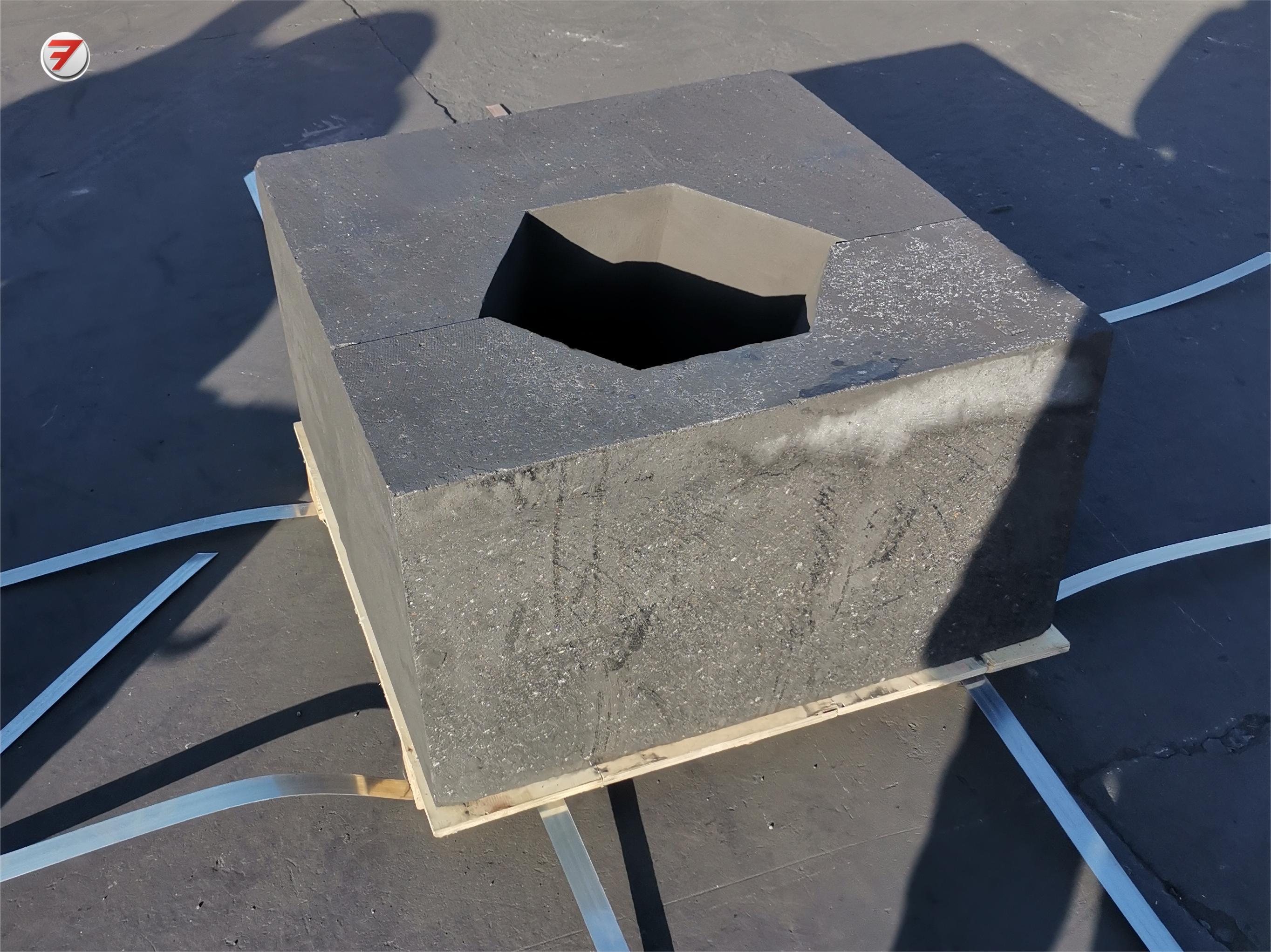
Molded graphite is a specialized form of graphite that is produced through a process of shaping and curing, resulting in a material with distinct physical and chemical properties. It is created by compressing fine graphite powder into molds, followed by a heat treatment that enhances its structural integrity. The resulting product possesses a unique combination of thermal conductivity, electrical conductivity, and resistance to thermal shock, making it a highly valuable material in several industrial applications.
One of the primary characteristics of molded graphite is its excellent thermal conductivity. This quality makes it an ideal choice for applications requiring efficient heat transfer, such as in the manufacturing of furnace linings and heat exchangers. In addition, molded graphite exhibits impressive electrical conductivity, which is crucial in the production of electrodes for electrolysis and other electrical applications. The ability of molded graphite to withstand high temperatures and rapid temperature fluctuations further enhances its appeal in industries such as metallurgy and energy.
Molded graphite is also known for its impressive mechanical strength and durability. This resilience allows it to maintain structural integrity under severe operational conditions, making it suitable for use in various high-stress environments. Furthermore, the low coefficient of thermal expansion exhibited by molded graphite ensures minimal distortion when subjected to extreme temperature changes, adding to its reliability in critical applications.
The versatility of molded graphite extends across multiple sectors, including the automotive, aerospace, electronics, and energy industries. For instance, in the automotive sector, molded graphite components are used in brake systems and engine gaskets due to their heat resistance and sealing capabilities. In the aerospace industry, molded graphite serves as insulation material in jet engines, providing both thermal protection and weight reduction. Additionally, its role in the energy industry is underscored by its use in fuel cell technology and nuclear applications, where stability and conductivity are paramount.
Environmental considerations are also driving interest in molded graphite. Its ability to be produced from recycled materials contributes to sustainability efforts in manufacturing. As industries increasingly seek eco-friendly alternatives, molded graphite offers a viable solution, aligning with the growing demand for sustainable practices.
In conclusion, molded graphite is a remarkable material that stands out for its unique properties and wide range of applications. Its excellent thermal and electrical conductivity, mechanical strength, and adaptability to high temperatures make it indispensable in various industrial processes. As technological advancements continue to unfold, the role of molded graphite is expected to expand, offering innovative solutions to meet the evolving needs of numerous sectors. Understanding the benefits and applications of molded graphite is essential for professionals aiming to leverage this exceptional material in their respective fields.
Contact Us
E-mail:
Phone/WhatsApp:
+86 15711363051
Address:
Xingchuang International C912, Xinya Street No.15, Daxing District, Beijing, China



Contact
TEL: +8615711363051
EMAIL: sales@topflymaterial.com
ADD: Xingchuang International C912, Xinya Street No.15, Daxing District, Beijing, China