
Why Isostatic Graphite is Revolutionizing Non-Metal Mineral Products
Jan 18,2026
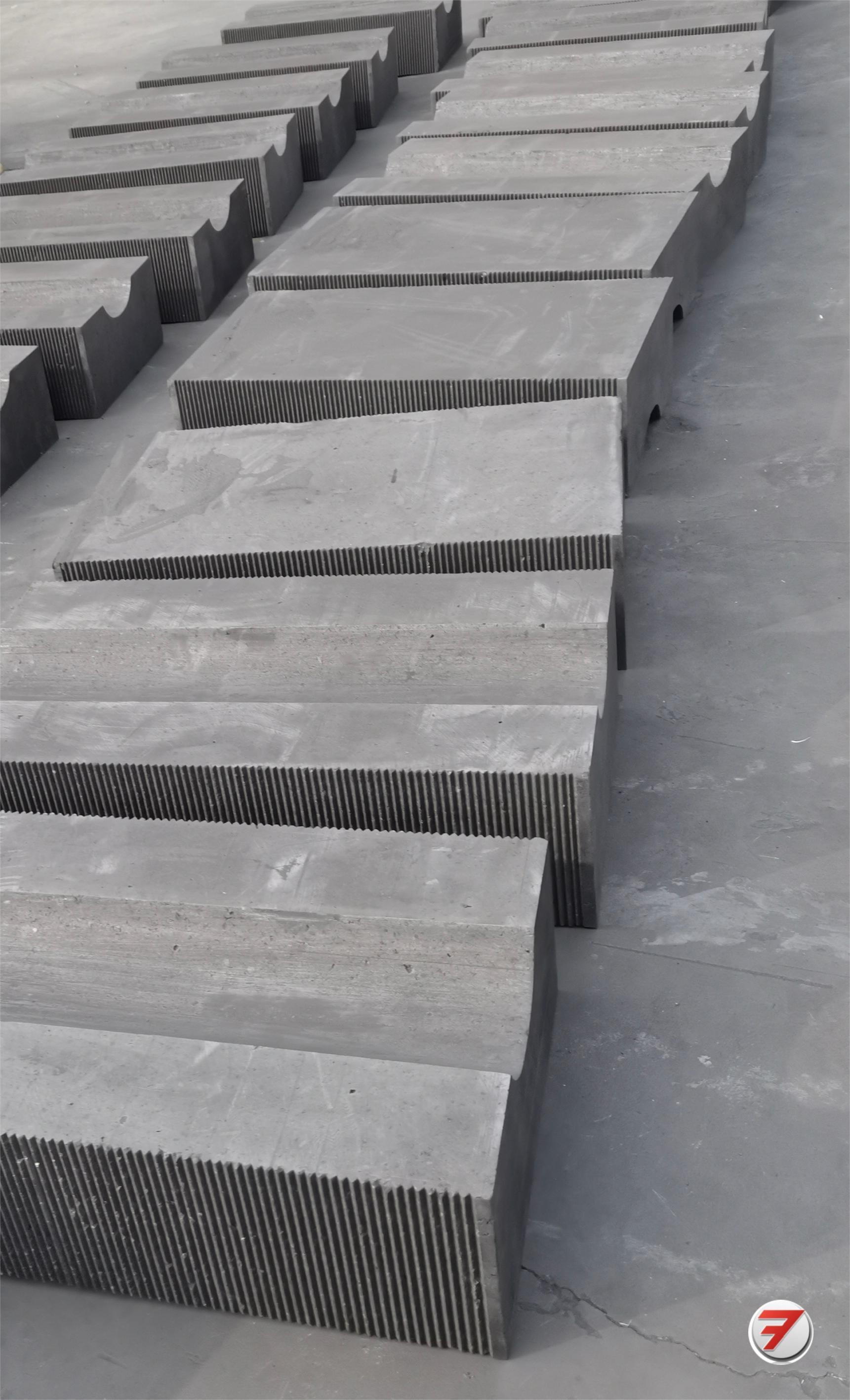
Why Isostatic Graphite is Revolutionizing Non-Metal Mineral Products
Introduction to Isostatic Graphite
Isostatic graphite, known for its remarkable properties, is transforming the landscape of non-metal mineral products. It is produced through a unique manufacturing process that involves high-pressure treatment, ensuring uniform density and exceptional quality. This premium material is increasingly replacing traditional graphite products in numerous applications, leading to enhanced performance and durability.
The Unique Properties of Isostatic Graphite
Understanding why isostatic graphite is making waves in the industry requires an examination of its distinctive properties.
Uniform Density and Structure
One of the standout features of isostatic graphite is its **uniform density**. Unlike conventional graphite, which may have variable density due to its production process, isostatic graphite undergoes isostatic pressing, resulting in a consistent structure throughout the material. This uniformity contributes to its **enhanced mechanical strength**, making it a preferred choice in demanding applications.
Superior Thermal Conductivity
Isostatic graphite exhibits excellent thermal conductivity, making it ideal for applications where heat dissipation is crucial. Industries such as electronics and aerospace benefit from this property, as it helps to manage heat more effectively, improving the performance and lifespan of components.
High Resistance to Chemicals
In many industrial processes, materials face exposure to harsh chemicals. The **chemical resistance** of isostatic graphite allows it to thrive in such environments, reducing degradation and extending its operational life. This resilience makes it an exceptional choice for applications in chemical processing and manufacturing.
Applications of Isostatic Graphite in Various Industries
The versatility of isostatic graphite makes it suitable for a wide range of applications across numerous industries.
Electronics and Semiconductors
In the electronics sector, isostatic graphite is used in components like electrodes and heat sinks. Its superior thermal management capabilities enhance the efficiency of electronic devices, leading to improved performance and reliability.
Aerospace and Defense
The aerospace industry demands materials that can withstand extreme conditions. Isostatic graphite's high strength-to-weight ratio and thermal stability make it an ideal candidate for applications in aircraft engines and defense systems.
Energy Sector
In the realm of energy, particularly in nuclear applications, isostatic graphite serves as a moderator in nuclear reactors due to its exceptional thermal and neutron management properties. This unique application underscores its importance in sustainable energy solutions.
The Manufacturing Process of Isostatic Graphite
To truly appreciate the advantages of isostatic graphite, one must understand the manufacturing process that sets it apart from conventional graphite products.
Raw Material Selection
The production of isostatic graphite begins with high-quality raw materials, typically petroleum coke or pitch coke. The selection of superior raw materials is essential to ensure optimal properties in the final product.
Isostatic Pressing
The key to isostatic graphite lies in the **isostatic pressing** method. This process involves subjecting the graphite mixture to high pressure in a fluid environment, allowing it to compact uniformly. The result is a product with exceptional density and homogeneity.
Sintering and Graphitization
After pressing, the material undergoes **sintering** at high temperatures. This step is critical as it transforms the compacted material into a solid structure with enhanced properties. Finally, graphitization further improves the conductivity and strength of the graphite.
Advantages of Isostatic Graphite Over Traditional Graphite
When comparing isostatic graphite to traditional graphite, the benefits become apparent.
Enhanced Performance Characteristics
Isostatic graphite offers superior performance characteristics, including better thermal and electrical conductivity, higher mechanical strength, and a longer service life. These advantages make it a more cost-effective solution in the long run.
Reduced Defects and Waste
The uniformity of isostatic graphite significantly reduces defects commonly found in traditional graphite products. This results in less material waste during production, making the manufacturing process more efficient and environmentally friendly.
Challenges and Solutions in the Isostatic Graphite Industry
Despite its numerous advantages, the isostatic graphite industry faces challenges that must be addressed to ensure continued growth and innovation.
High Production Costs
One of the primary challenges is the **high production costs** associated with isostatic graphite manufacturing. However, advancements in technology and process optimization are gradually reducing these costs, making isostatic graphite more accessible to various industries.
Market Competition
As the demand for isostatic graphite grows, competition within the market intensifies. Companies must focus on quality assurance, technological advancements, and customer service to maintain a competitive edge.
Future Trends in Isostatic Graphite Usage
The future of isostatic graphite looks promising as new applications continue to emerge.
Increased Adoption in Renewable Energy
With the global push towards renewable energy sources, isostatic graphite is likely to find more applications in solar panels and wind energy systems, where its properties can enhance performance and efficiency.
Advancements in 3D Printing Technologies
As additive manufacturing evolves, isostatic graphite could play a pivotal role in developing advanced components and tools. Its properties make it an excellent candidate for 3D printing applications in various industries.
Frequently Asked Questions (FAQs)
1. What is isostatic graphite used for?
Isostatic graphite is commonly used in electronics, aerospace, energy production, and chemical processing due to its superior properties like thermal conductivity and chemical resistance.
2. How is isostatic graphite produced?
It is produced through a process called isostatic pressing, where graphite powder is subjected to high pressure in a fluid environment, followed by sintering and graphitization.
3. What are the advantages of isostatic graphite over traditional graphite?
Isostatic graphite offers enhanced mechanical strength, uniform density, superior thermal and electrical conductivity, and a longer service life compared to traditional graphite.
4. Can isostatic graphite be used in high-temperature applications?
Yes, isostatic graphite is highly resistant to heat and can be utilized in high-temperature environments, making it suitable for applications in aerospace and energy sectors.
5. What industries are adopting isostatic graphite?
Industries such as electronics, aerospace, automotive, energy, and chemical processing are increasingly adopting isostatic graphite due to its unique properties and advantages.
Conclusion
In summary, isostatic graphite is revolutionizing the non-metal mineral products industry by offering a range of benefits that traditional graphite simply cannot match. With its exceptional properties, versatile applications, and ongoing advancements in manufacturing processes, isostatic graphite is positioned to become a cornerstone material in various high-performance sectors. As industries continue to innovate and evolve, the demand for isostatic graphite will undoubtedly grow, paving the way for a new era of material science excellence.
Contact Us
E-mail:
Phone/WhatsApp:
+86 15711363051
Address:
Xingchuang International C912, Xinya Street No.15, Daxing District, Beijing, China



Contact
TEL: +8615711363051
EMAIL: sales@topflymaterial.com
ADD: Xingchuang International C912, Xinya Street No.15, Daxing District, Beijing, China