
Why Graphite Electrodes Are Indispensable for Optimizing Metallurgical Processes
Jan 16,2026
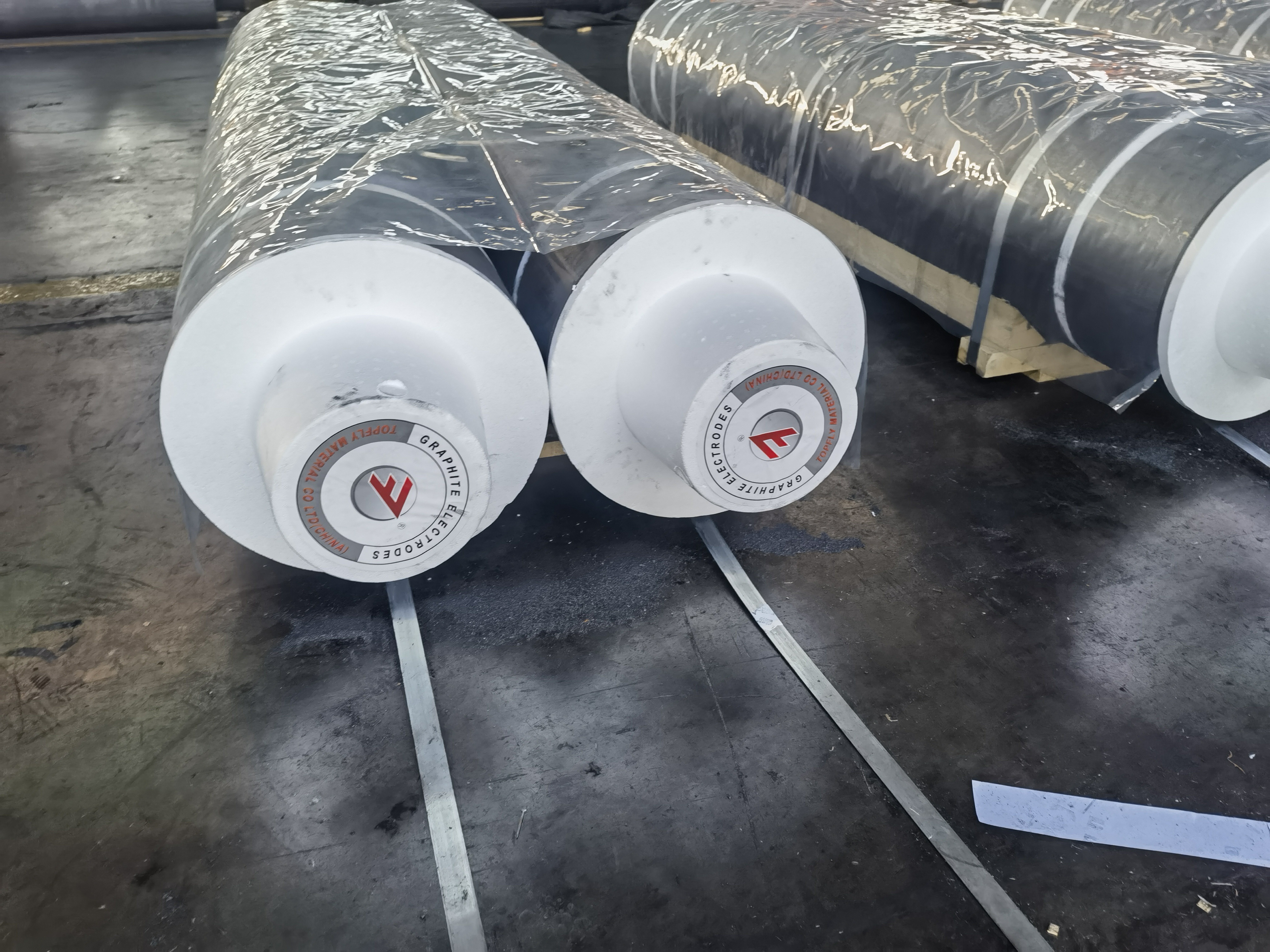
Why Graphite Electrodes Are Indispensable for Optimizing Metallurgical Processes
Table of Contents
- Introduction to Graphite Electrodes
- The Role of Graphite Electrodes in Metallurgy
- Benefits of Using Graphite Electrodes in Steel Production
- Graphite Electrodes and Environmental Sustainability
- Types of Graphite Electrodes Used in Industry
- Future Trends in Graphite Electrode Technology
- Frequently Asked Questions
- Conclusion
Introduction to Graphite Electrodes
Graphite electrodes are critical components in the metallurgical industry, notably in electric arc furnaces (EAF) and other high-temperature applications. These electrodes facilitate the electric current required for melting and refining metals, particularly steel. The significance of graphite electrodes cannot be overstated; they not only enhance the efficiency of metallurgical processes but also contribute significantly to energy conservation and operational cost reductions.
In this article, we delve deeply into the essential role of graphite electrodes in metallurgy, exploring their benefits, types, and future trends in electrode technology.
The Role of Graphite Electrodes in Metallurgy
Graphite electrodes serve multiple vital functions within metallurgical processes. Primarily, they conduct electricity to generate the heat necessary for melting and refining metals. The ability of graphite to withstand high temperatures while maintaining its structural integrity makes it an ideal material for this purpose.
In EAFs, the graphite electrode creates an electric arc, resulting in temperatures exceeding 3,000°C (5,400°F). This intense heat is crucial for melting scrap steel and producing new steel alloys. By employing graphite electrodes, metallurgical operations can achieve higher melting rates and improved quality in the final metal products.
Benefits of Using Graphite Electrodes in Steel Production
The integration of graphite electrodes in steel production brings forth numerous advantages that enhance overall operational efficiency.
Energy Efficiency and Cost Savings
One of the most compelling benefits of graphite electrodes is their ability to reduce energy consumption. The high electrical conductivity of graphite ensures that minimal energy is wasted during the melting process.
By optimizing the electric arc's efficiency, manufacturers can significantly lower their energy bills. As electricity costs continue to rise globally, the transition to using graphite electrodes represents a strategic move for metallurgical companies aiming to improve their profit margins.
Higher Productivity
In addition to energy savings, graphite electrodes facilitate increased productivity within metallurgical operations. Their capacity to withstand extreme temperatures allows for faster melting and refining processes, which can lead to shorter production cycles.
In a fiercely competitive market, the ability to produce high-quality steel products more efficiently provides manufacturers with a distinct advantage, enabling them to meet customer demands promptly and effectively.
Graphite Electrodes and Environmental Sustainability
As industries face growing pressure to adopt sustainable practices, the role of graphite electrodes becomes even more important. Their use in steel production aligns with environmental sustainability goals by reducing greenhouse gas emissions associated with traditional metallurgical processes.
Electric arc furnaces, when utilized with graphite electrodes, produce significantly lower emissions than conventional blast furnaces. Furthermore, the recycling of scrap steel in EAFs contributes to reduced waste and resource conservation, reinforcing the ecological benefits of adopting graphite as a primary conductive material.
Types of Graphite Electrodes Used in Industry
The market offers various types of graphite electrodes, each tailored to specific metallurgical applications. Understanding these types is essential for choosing the right electrode for optimal performance.
1. Regular Power Graphite Electrodes
Regular power electrodes are the most commonly used type in EAFs. They provide a balanced performance suitable for general applications in steelmaking and other ferroalloy production processes.
2. High Power Graphite Electrodes
High power electrodes are designed for high-current applications and are often used in modern EAFs. They possess superior thermal and mechanical properties, enabling enhanced performance in demanding environments.
3. Ultra High Power Graphite Electrodes
Ultra high power electrodes are engineered for extreme performance, utilizing advanced material formulations. These electrodes are capable of sustaining the highest current loads and temperatures, making them ideal for specialized high-capacity EAF operations.
Future Trends in Graphite Electrode Technology
The future of graphite electrode technology looks promising, with ongoing research and development focusing on enhancing performance and sustainability. Innovations in material science are leading to the production of stronger, more efficient electrodes.
As the demand for high-quality steel continues to rise, manufacturers are likely to invest in advanced graphite electrodes that provide better thermal conductivity and greater durability. Additionally, the integration of smart technologies, such as IoT sensors, can optimize electrode usage and predict maintenance needs, further improving operational efficiencies.
Frequently Asked Questions
1. What materials are used to make graphite electrodes?
Graphite electrodes are primarily composed of high-purity petroleum coke and a binder material. The combination of these materials ensures excellent electrical conductivity and thermal resistance.
2. How do graphite electrodes differ from traditional electrodes?
Graphite electrodes are superior to traditional electrodes in terms of conductivity, thermal stability, and the ability to withstand extreme temperatures, making them ideal for modern metallurgical applications.
3. What industries use graphite electrodes?
Graphite electrodes are predominantly used in the steel industry, particularly in electric arc furnaces. They are also utilized in ferroalloy production and various high-temperature processes.
4. How do you maintain graphite electrodes?
Proper maintenance involves regular inspection for wear and tear. It's essential to monitor the electrode’s condition during operation and replace any that show significant degradation.
5. Are graphite electrodes environmentally friendly?
Yes, when used in electric arc furnaces, graphite electrodes contribute to lower emissions and enhanced energy efficiency, making them a more sustainable choice compared to traditional metallurgical processes.
Conclusion
In summary, graphite electrodes are an indispensable component of modern metallurgy, driving efficiency, productivity, and sustainability in steel production and beyond. Their unique properties allow for superior electrical conductivity and thermal stability, making them essential for high-performance applications in electric arc furnaces.
As we look to the future, advancements in technology and material science will continue to enhance the effectiveness of graphite electrodes, ensuring they remain at the forefront of metallurgical innovation. Embracing these cutting-edge solutions is not only beneficial for operational success but also aligns with the growing global emphasis on environmental sustainability. The transition towards using graphite electrodes represents a critical step in optimizing metallurgical processes, paving the way for a more efficient and sustainable future.
PREVIOUS:
Contact Us
E-mail:
Phone/WhatsApp:
+86 15711363051
Address:
Xingchuang International C912, Xinya Street No.15, Daxing District, Beijing, China



Contact
TEL: +8615711363051
EMAIL: sales@topflymaterial.com
ADD: Xingchuang International C912, Xinya Street No.15, Daxing District, Beijing, China