
The Essential Guide to High Purity Graphite: Applications and Benefits
Jan 15,2026
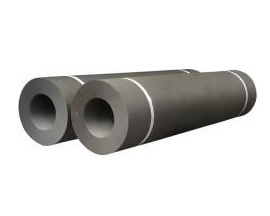
High purity graphite has gained significant attention due to its unique properties and diverse applications across multiple industries, particularly in metallurgy and energy-related sectors. With a carbon content exceeding 99.9%, high purity graphite is valued for its excellent thermal and electrical conductivity, low thermal expansion, and remarkable chemical resistance. These characteristics make it an ideal material for various applications, including batteries, lubricants, and advanced composites.
One of the most prominent applications of high purity graphite is in the production of lithium-ion batteries, which are integral to the growing electric vehicle and renewable energy markets. The demand for high-performance batteries has surged, and high purity graphite serves as an essential anode material, contributing to improved energy density and longevity. As the push for green technologies intensifies, the role of high purity graphite in battery manufacturing is poised to expand further.
In the realm of metallurgy, high purity graphite is widely utilized in the production of crucibles and molds, which are crucial for casting and shaping metals. Its high thermal resistance and ability to withstand extreme conditions make it a preferred choice for industries that require precision and durability. Additionally, the chemical inertness of high purity graphite reduces contamination during metal processing, ensuring the integrity of the final products.
Moreover, high purity graphite finds applications in the nuclear industry, where it is used as a moderator in nuclear reactors. Its ability to absorb neutrons and facilitate the fission process underscores its importance in energy production. As countries look to diversify their energy sources and invest in nuclear power, the demand for high purity graphite is expected to grow.
The advantages of high purity graphite extend beyond its functional applications. Its lightweight nature and superior mechanical properties make it an attractive choice for aerospace and automotive industries, where performance and efficiency are paramount. Furthermore, the ongoing innovations in the production and processing of high purity graphite are opening new avenues for its use, such as in the development of advanced materials and nanotechnology.
In conclusion, high purity graphite stands as a vital material in the metallurgy and non-metallic minerals sectors, offering a plethora of benefits across various applications. As industries continue to evolve and prioritize sustainability and performance, understanding the properties and potential of high purity graphite will be crucial for professionals looking to leverage its advantages in their operations. Embracing this knowledge can lead to enhanced product offerings and a competitive edge in the ever-changing market landscape.
One of the most prominent applications of high purity graphite is in the production of lithium-ion batteries, which are integral to the growing electric vehicle and renewable energy markets. The demand for high-performance batteries has surged, and high purity graphite serves as an essential anode material, contributing to improved energy density and longevity. As the push for green technologies intensifies, the role of high purity graphite in battery manufacturing is poised to expand further.
In the realm of metallurgy, high purity graphite is widely utilized in the production of crucibles and molds, which are crucial for casting and shaping metals. Its high thermal resistance and ability to withstand extreme conditions make it a preferred choice for industries that require precision and durability. Additionally, the chemical inertness of high purity graphite reduces contamination during metal processing, ensuring the integrity of the final products.
Moreover, high purity graphite finds applications in the nuclear industry, where it is used as a moderator in nuclear reactors. Its ability to absorb neutrons and facilitate the fission process underscores its importance in energy production. As countries look to diversify their energy sources and invest in nuclear power, the demand for high purity graphite is expected to grow.
The advantages of high purity graphite extend beyond its functional applications. Its lightweight nature and superior mechanical properties make it an attractive choice for aerospace and automotive industries, where performance and efficiency are paramount. Furthermore, the ongoing innovations in the production and processing of high purity graphite are opening new avenues for its use, such as in the development of advanced materials and nanotechnology.
In conclusion, high purity graphite stands as a vital material in the metallurgy and non-metallic minerals sectors, offering a plethora of benefits across various applications. As industries continue to evolve and prioritize sustainability and performance, understanding the properties and potential of high purity graphite will be crucial for professionals looking to leverage its advantages in their operations. Embracing this knowledge can lead to enhanced product offerings and a competitive edge in the ever-changing market landscape.
Contact Us
E-mail:
Phone/WhatsApp:
+86 15711363051
Address:
Xingchuang International C912, Xinya Street No.15, Daxing District, Beijing, China



Contact
TEL: +8615711363051
EMAIL: sales@topflymaterial.com
ADD: Xingchuang International C912, Xinya Street No.15, Daxing District, Beijing, China