
The Essential Role of Graphite Boats in Metallurgy and Energy Applications
Jan 07,2026
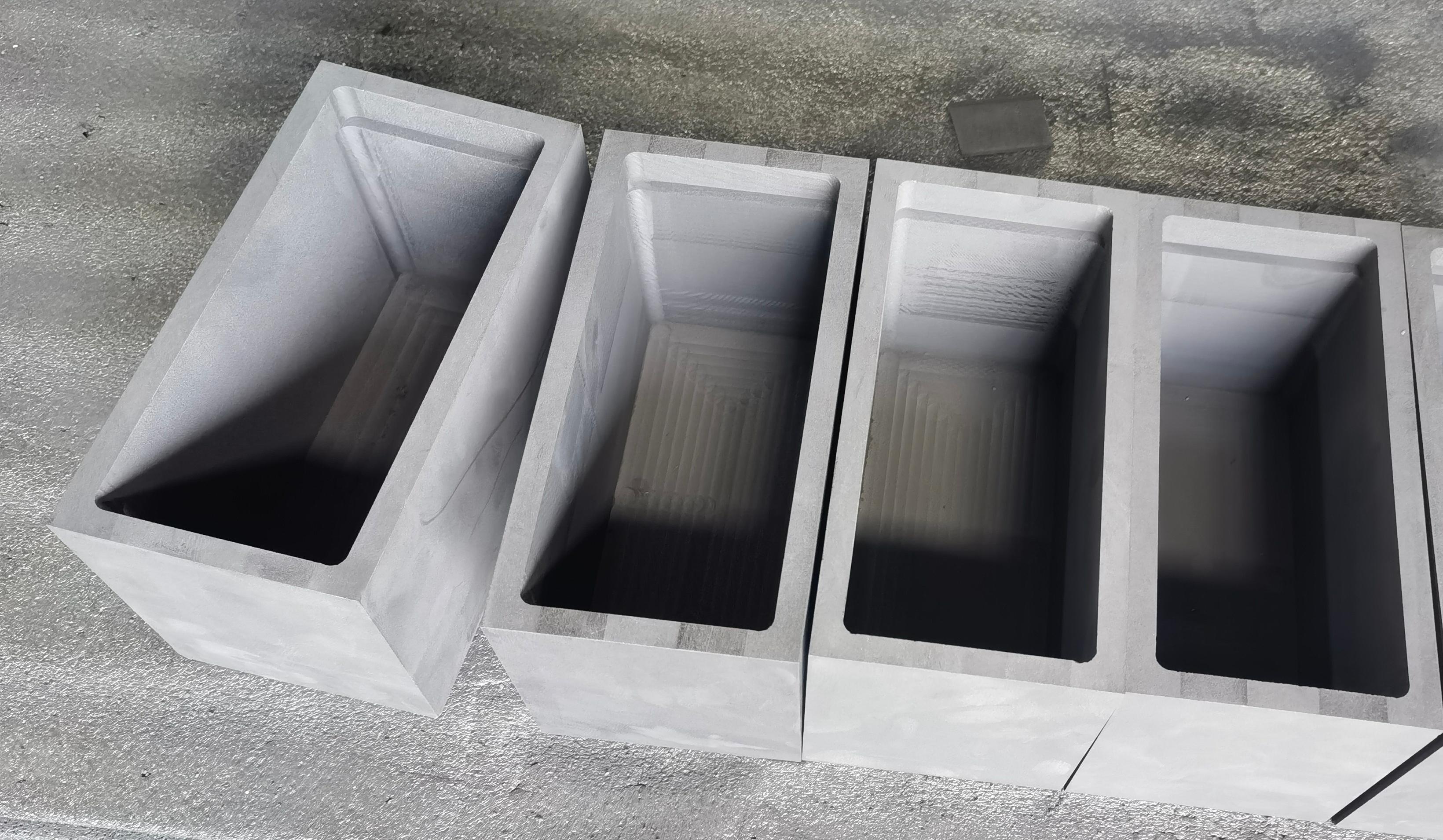
Graphite boats are specialized containers used extensively in the metallurgy and energy sectors, particularly in processes involving high-temperature applications. These boats are typically made from high-purity graphite, which possesses outstanding thermal and chemical resistance properties. As a result, graphite boats can withstand extreme temperatures without deforming or losing structural integrity, making them ideal for various industrial applications.
One of the primary uses of graphite boats is in the process of melting and casting metals. In metallurgy, they are often employed to hold molten materials during the casting process. The ability of graphite to endure high temperatures means that it can be used in conjunction with a variety of metals, including aluminum, copper, and precious metals. This versatility is a significant advantage, as it allows industries to utilize graphite boats in diverse applications, from aerospace to automotive manufacturing.
Another critical application of graphite boats is in the field of energy, particularly in the production of solar cells and semiconductors. In these processes, graphite boats serve as carriers for materials being heated or treated in high-temperature furnaces. The use of graphite boats ensures that the materials are evenly heated and helps maintain the purity and quality of the final product. This is particularly important in the semiconductor industry, where even the slightest contamination can have serious repercussions on performance and reliability.
The manufacturing process of graphite boats involves precision machining and the use of advanced technologies. Typically, high-purity graphite is shaped into the desired form through methods such as molding or milling. This process ensures that the graphite boats meet the specific requirements of their intended applications, including size, shape, and thermal conductivity. Moreover, the high purity of the graphite used in these boats further enhances their performance and reliability in demanding environments.
In addition to their excellent thermal properties, graphite boats are also noted for their lightweight nature and resistance to thermal shock. This makes handling and transportation easier, even in challenging industrial settings. As industries continue to seek innovative solutions to enhance efficiency and performance, the demand for high-quality graphite boats is likely to grow.
In summary, graphite boats play an essential role in the metallurgy and energy sectors, offering unmatched thermal stability, chemical resistance, and versatility. Their applications range from metal casting to high-tech semiconductor fabrication, showcasing the indispensable nature of these non-metallic mineral products in modern industrial processes. Understanding the significance of graphite boats can help industries optimize their operations and achieve superior results in their respective fields.
Contact Us
E-mail:
Phone/WhatsApp:
+86 15711363051
Address:
Xingchuang International C912, Xinya Street No.15, Daxing District, Beijing, China



Contact
TEL: +8615711363051
EMAIL: sales@topflymaterial.com
ADD: Xingchuang International C912, Xinya Street No.15, Daxing District, Beijing, China