
Unlocking the Potential of Graphite Blocks in Metallurgy and Energy
Oct 12,2026
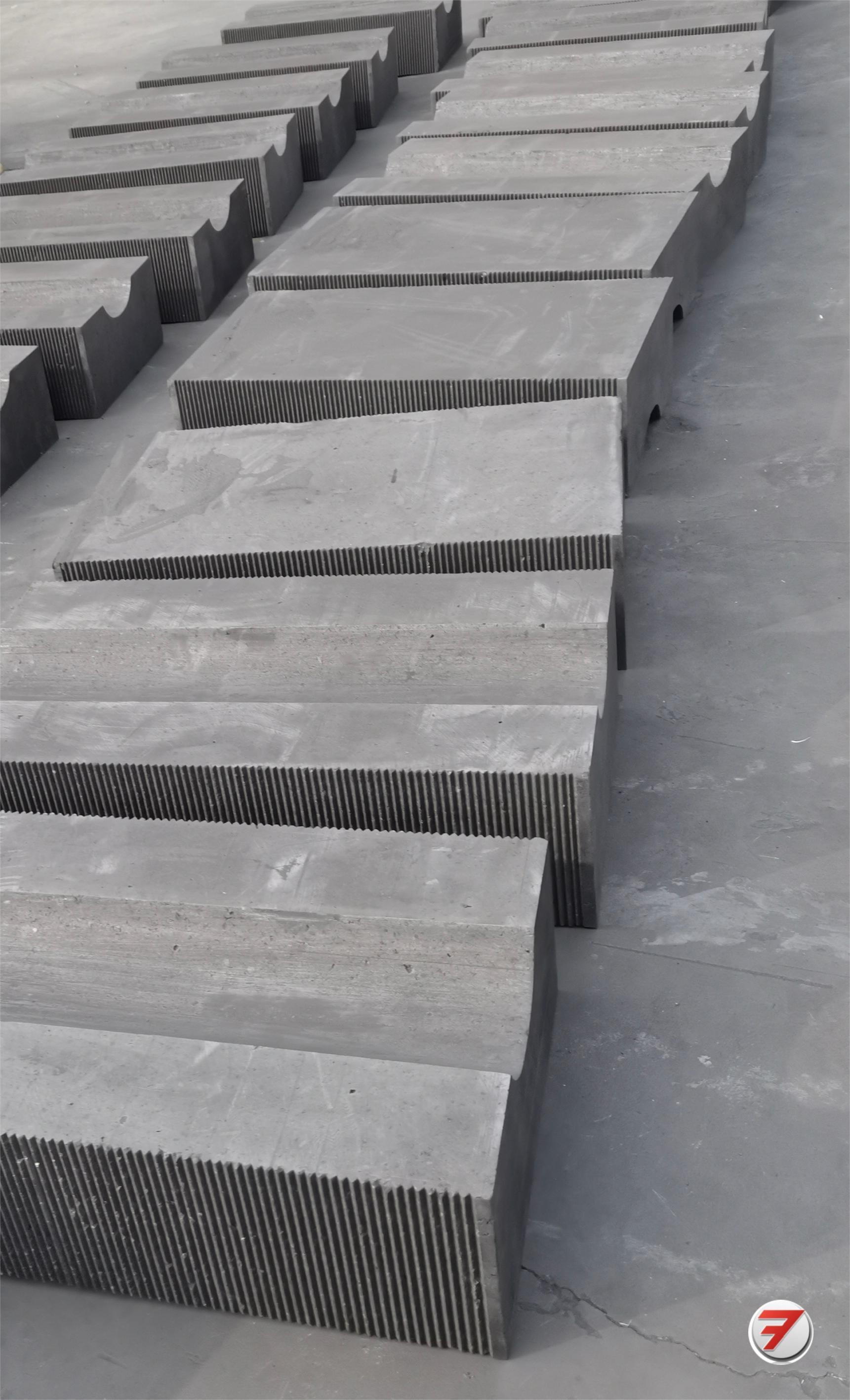
Graphite blocks have emerged as key materials in the metallurgy and non-metallic mineral sector, especially within the context of energy production and various industrial applications. Graphite, a naturally occurring form of carbon, possesses unique properties, making graphite blocks particularly valuable in a range of applications.
One of the most notable characteristics of graphite blocks is their exceptional thermal conductivity. This property enables them to efficiently transfer heat, making them ideal for use in high-temperature applications, such as electric arc furnaces in steel manufacturing. By utilizing graphite blocks, industries can achieve better energy efficiency and improve the overall performance of their processes.
Moreover, graphite blocks exhibit excellent resistance to thermal shock and corrosion. This durability is crucial in environments where materials are subject to extreme conditions, such as rapid temperature fluctuations or exposure to harmful chemicals. As a result, graphite blocks are often used as linings and components in various metallurgical equipment, prolonging their lifespan and reducing maintenance costs.
In addition to their use in metallurgy, graphite blocks are also gaining traction in the energy sector. They are increasingly being used in battery technology, specifically in lithium-ion batteries. The high electrical conductivity of graphite makes it an ideal material for anodes, which are essential for the storage and transfer of energy. As the demand for more efficient energy storage solutions grows, the role of graphite blocks in this industry is likely to expand.
Furthermore, the versatility of graphite blocks extends to applications in lubrication and sealing. Their self-lubricating properties reduce friction and wear, making them suitable for use in high-performance machinery. This not only enhances operational efficiency but also contributes to sustainability by reducing the frequency of component replacements.
Another significant aspect of graphite blocks is their compatibility with various manufacturing processes. They can be easily machined into complex shapes and sizes, allowing for tailored solutions that meet specific operational requirements. This adaptability is particularly advantageous in industries where precision and customization are paramount.
In conclusion, graphite blocks are vital components in the metallurgy and energy sectors, offering a plethora of benefits that enhance operational efficiency and sustainability. Their unique properties, including excellent thermal conductivity, thermal shock resistance, and adaptability, position them as indispensable materials in modern industrial applications. As industries continue to seek innovative solutions to meet growing energy demands and improve production processes, the importance of graphite blocks is only set to rise. Understanding the potential and applications of graphite blocks will certainly help professionals make informed decisions in their respective fields.
Contact Us
E-mail:
Phone/WhatsApp:
+86 15711363051
Address:
Xingchuang International C912, Xinya Street No.15, Daxing District, Beijing, China



Contact
TEL: +8615711363051
EMAIL: sales@topflymaterial.com
ADD: Xingchuang International C912, Xinya Street No.15, Daxing District, Beijing, China