
How to Choose the Right Molded Graphite for Your Application: A Comprehensive Guide
Oct 11,2026
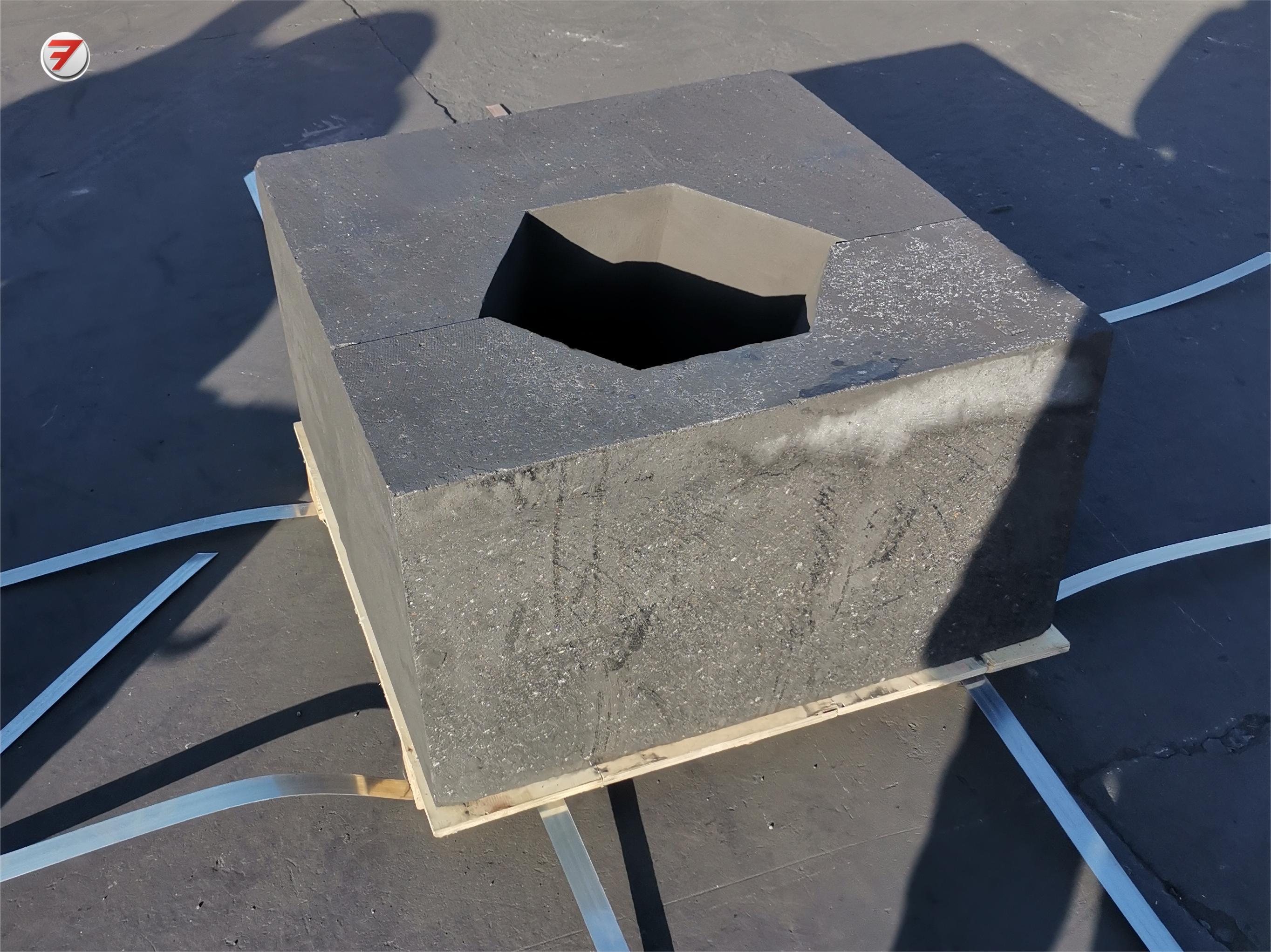
How to Choose the Right Molded Graphite for Your Application
Table of Contents
1. Introduction to Molded Graphite
2. The Unique Properties of Molded Graphite
2.1 Electrical Conductivity
2.2 Thermal Conductivity
2.3 Mechanical Strength
3. Applications of Molded Graphite
3.1 Aerospace and Defense
3.2 Automotive Industry
3.3 Electronics and Semiconductor Manufacturing
3.4 Nuclear Industry
4. Factors to Consider When Selecting Molded Graphite
4.1 Purity and Quality
4.2 Density and Hardness
4.3 Shape and Size Requirements
4.4 Cost Considerations
5. The Manufacturing Process of Molded Graphite
6. Benefits of Using Molded Graphite
7. Common Misconceptions About Molded Graphite
8. FAQs about Molded Graphite
9. Conclusion
1. Introduction to Molded Graphite
Molded graphite is a highly versatile material that finds applications across various industries due to its unique properties. This form of graphite is produced through a specialized molding process, resulting in a material that boasts excellent thermal and electrical conductivities, mechanical strength, and resistance to corrosion. As industries evolve and technologies advance, the demand for tailored graphite solutions grows, making it essential to select the right type of molded graphite for your specific application.
2. The Unique Properties of Molded Graphite
Understanding the properties of molded graphite is crucial in selecting the right material. Each characteristic contributes to its performance in different applications.
2.1 Electrical Conductivity
Molded graphite exhibits high electrical conductivity, making it ideal for applications that require efficient current flow. This property is particularly important in electronic components, where the performance of devices is directly tied to the efficiency of electrical conduction.
2.2 Thermal Conductivity
In addition to electrical conductivity, molded graphite has excellent thermal conductivity. This characteristic enables it to dissipate heat effectively, making it a preferred choice for components in high-temperature environments. Industries such as aerospace and electronics rely on this property to enhance the longevity and safety of their products.
2.3 Mechanical Strength
Molded graphite is notable for its mechanical strength, which is a vital consideration in applications that encounter stress and strain. Its ability to withstand high pressures and resist deformation ensures that it maintains performance even under demanding conditions.
3. Applications of Molded Graphite
Molded graphite's unique properties make it suitable for a wide range of applications. Here are some of the key sectors that benefit from this material.
3.1 Aerospace and Defense
In the aerospace and defense industries, molded graphite is utilized in components such as heat shields, insulation, and electrical contacts. Its lightweight nature combined with its ability to withstand extreme temperatures makes it indispensable for high-performance applications.
3.2 Automotive Industry
The automotive sector employs molded graphite in various components, including brake pads, gaskets, and engine parts. The material’s durability and thermal properties contribute to enhanced performance and safety in vehicles.
3.3 Electronics and Semiconductor Manufacturing
Molded graphite is essential in the electronics industry for applications such as battery contacts and heat sinks. Its excellent electrical conductivity ensures efficient operation of electronic devices, enhancing their functionality and lifespan.
3.4 Nuclear Industry
In the nuclear sector, molded graphite is used in reactor cores and other components due to its ability to withstand radiation exposure and high temperatures. Its performance in this environment is critical for ensuring safety and efficiency in nuclear power generation.
4. Factors to Consider When Selecting Molded Graphite
Choosing the right molded graphite involves several critical considerations to ensure the selected material meets the application's specific requirements.
4.1 Purity and Quality
The purity of molded graphite can significantly impact its performance. High-purity graphite minimizes impurities that can affect conductivity and strength, making it essential to evaluate supplier certifications and material specifications before purchasing.
4.2 Density and Hardness
Different applications require varying densities and hardness levels in molded graphite. For instance, applications that demand high mechanical strength may require denser and harder graphite to withstand stress, while other applications may prioritize lightweight characteristics.
4.3 Shape and Size Requirements
Molded graphite is available in various shapes and sizes to accommodate different applications. When selecting molded graphite, it is vital to consider the dimensions and form factor needed for your specific use case.
4.4 Cost Considerations
While quality should be the primary consideration, cost cannot be overlooked. Balancing the need for premium molded graphite with budgetary constraints is crucial in making an informed decision.
5. The Manufacturing Process of Molded Graphite
The manufacturing process of molded graphite involves several steps, including the selection of raw materials, molding, and processing. High-quality graphite powder is mixed with a binder and then molded into the desired shape using high pressure. The molded pieces are subsequently subjected to heat treatment, enhancing their properties and ensuring uniformity.
6. Benefits of Using Molded Graphite
Molded graphite offers numerous advantages that make it a preferred choice across various industries:
- **High Performance**: The combination of electrical and thermal conductivity with mechanical strength translates into superior performance in demanding applications.
- **Versatility**: Its adaptability in form and function allows for use in diverse industries and applications.
- **Durability**: Molded graphite's resistance to wear and high temperatures contributes to its longevity and reliability in various conditions.
7. Common Misconceptions About Molded Graphite
Despite its widespread use, several misconceptions surround molded graphite. Some believe that all graphite materials are the same; however, the properties can vary significantly based on manufacturing processes and purity levels. Additionally, some industries may underestimate the importance of thermal conductivity, which plays a critical role in the performance of components in high-temperature environments.
8. FAQs about Molded Graphite
Q1: What are the key differences between molded graphite and other types of graphite?
A1: Molded graphite is produced through a specific molding process, resulting in unique properties such as high density, strength, and tailored shapes. Other types of graphite, such as flake or amorphous graphite, may not offer the same advantages in certain applications.
Q2: How can I determine the right molded graphite for my application?
A2: Consider factors such as electrical and thermal conductivity, mechanical strength, purity, and specific size requirements. Consulting with suppliers and reviewing material specifications can aid in making an informed decision.
Q3: Is molded graphite resistant to chemical corrosion?
A3: Molded graphite exhibits resistance to many chemicals, but its performance can vary based on the specific chemical environment. It is advisable to evaluate compatibility with the intended use before selection.
Q4: Can molded graphite be reused or recycled?
A4: Molded graphite can be recycled, especially if it is free from contaminants. Recycling processes can help in reclaiming valuable materials while reducing waste.
Q5: What is the typical lifespan of molded graphite components?
A5: The lifespan of molded graphite components varies based on application and operating conditions. However, when used within specified limits, molded graphite can last for many years, offering durability and reliability.
9. Conclusion
Selecting the right molded graphite for your application is a critical decision that impacts performance, safety, and efficiency. By understanding its unique properties, applications, and key factors for selection, you can make informed choices tailored to your specific needs. As industries continue to innovate and expand, the demand for high-quality molded graphite will only grow, making it essential for manufacturers and engineers to stay informed about the best practices in material selection. By prioritizing quality, performance, and suitability, you can ensure the success of your applications and products using molded graphite.
Contact Us
E-mail:
Phone/WhatsApp:
+86 15711363051
Address:
Xingchuang International C912, Xinya Street No.15, Daxing District, Beijing, China



Contact
TEL: +8615711363051
EMAIL: sales@topflymaterial.com
ADD: Xingchuang International C912, Xinya Street No.15, Daxing District, Beijing, China