
The Science Behind Graphite Electrode Performance: Unveiling the Secrets of Efficiency and Durability
Oct 01,2026
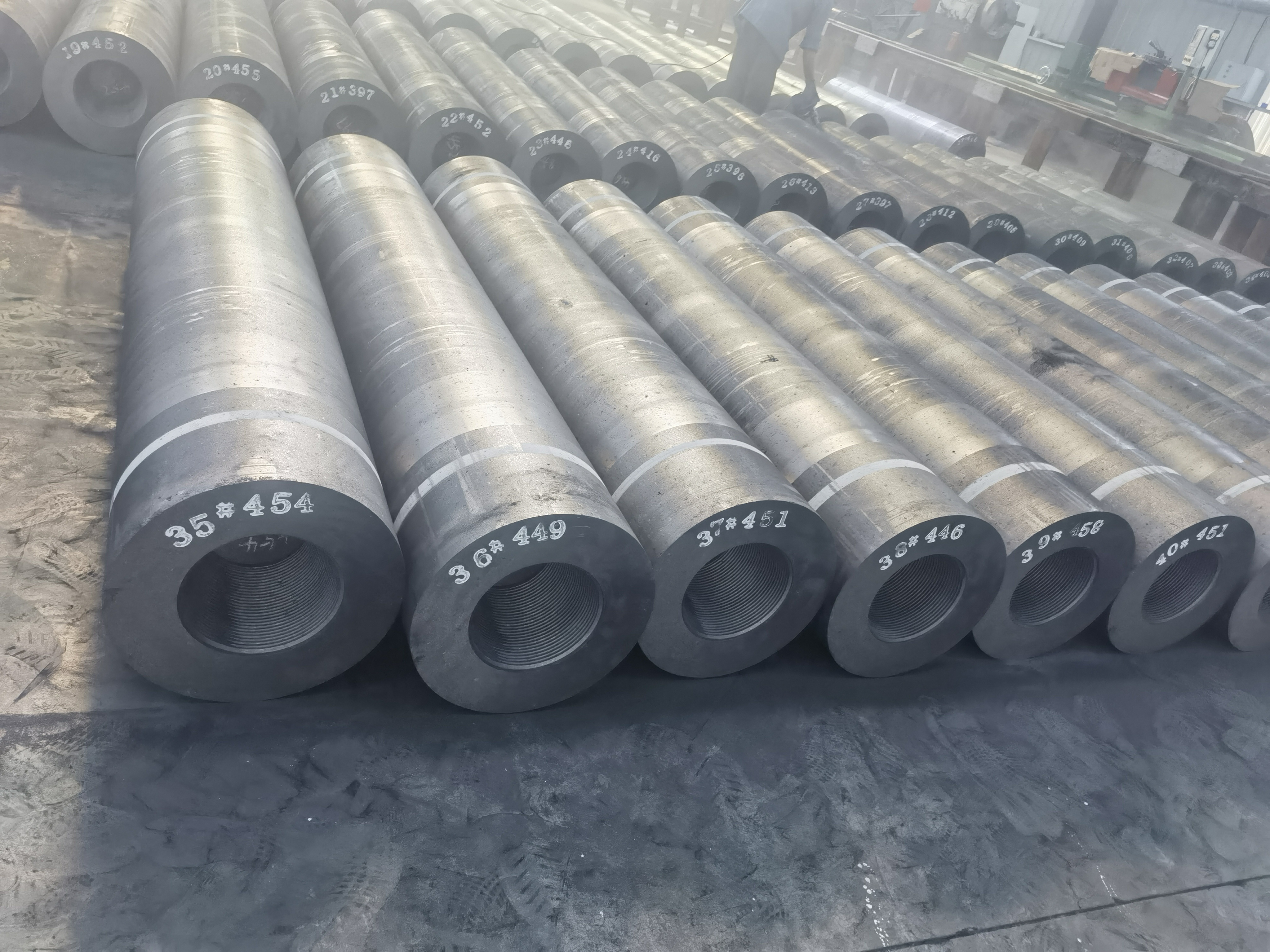
The Science Behind Graphite Electrode Performance
Graphite electrodes play a crucial role in the metallurgical industry, particularly in electric arc furnaces (EAF) for steel production and non-ferrous applications. Understanding the science behind their performance is essential for optimizing operations, maximizing efficiency, and ensuring product quality. This article explores the various factors that contribute to the performance of graphite electrodes, including material properties, manufacturing processes, and operational considerations.
Understanding Graphite Electrodes
Graphite electrodes are made primarily from petroleum coke and pitch, which are processed to create a high-quality conductor for electric arc furnaces. They provide the necessary conductivity and thermal stability required in high-temperature applications. The performance of these electrodes is influenced by several factors, which we will examine in detail.
Key Properties of Graphite Electrodes
To appreciate the performance of graphite electrodes, one must first understand their key properties:
Electrical Conductivity
Electrical conductivity is one of the most critical properties of graphite electrodes. High conductivity allows for efficient energy transfer in electric arc furnaces. The structure of graphite, with its layered arrangement of carbon atoms, contributes significantly to its electrical conductivity.
Thermal Stability
Graphite electrodes must withstand extreme temperatures during operation. Their thermal stability ensures that they can maintain structural integrity and performance characteristics under high heat. The high melting point of graphite makes it an ideal material for high-temperature applications.
Mechanical Strength
Mechanical strength is vital for the durability and longevity of graphite electrodes. They must withstand not only the thermal stresses of operation but also mechanical forces during handling and installation. The strength of graphite electrodes is determined by their density and the quality of the raw materials used in production.
Manufacturing Process of Graphite Electrodes
The manufacturing process of graphite electrodes significantly impacts their performance. Understanding this process helps in identifying how to optimize electrode quality.
Raw Material Selection
The selection of raw materials is critical to the overall quality of graphite electrodes. The use of high-quality petroleum coke and pitch enhances the electrical and mechanical properties of the final product. Impurities in raw materials can adversely affect conductivity and strength.
Calcination and Milling
Calcination involves heating the petroleum coke to remove volatile materials, resulting in a more stable carbon structure. Following calcination, the material is milled to a fine powder, enhancing the surface area and facilitating better binding during the formation of the electrode.
Pressing and Baking
In this phase, the milled carbon material is mixed with a binder and pressed into the desired shape. The green electrodes are then baked at high temperatures, which carbonizes the binder and enhances the mechanical properties of the electrode.
Graphitization
The final step in the manufacturing process is graphitization, where the baked electrodes are subjected to temperatures exceeding 2500°C. This process transforms the carbon structure into graphite, significantly improving its electrical and thermal conductivity.
Factors Influencing Graphite Electrode Performance
Several factors influence the performance of graphite electrodes, from manufacturing techniques to operational conditions.
Electrode Geometry
The geometry of graphite electrodes, including their diameter and length, affects their electrical and thermal properties. Optimizing electrode dimensions can lead to improved performance in specific applications.
Current Density
The current density applied during operation influences the temperature and efficiency of the electric arc. Higher current densities can lead to increased wear and tear on electrodes, necessitating a balance between performance and durability.
Operational Environment
The operational conditions within the electric arc furnace, including temperature fluctuations and the presence of impurities, can impact the performance of graphite electrodes. Understanding these variables is essential for optimizing electrode lifespan and efficiency.
Applications of Graphite Electrodes
Graphite electrodes have a broad range of applications beyond just electric arc furnaces. Their versatility makes them suitable for multiple industries.
Steel Production
The primary application of graphite electrodes is in steel production through electric arc furnaces. They facilitate the melting of scrap steel, playing a vital role in modern recycling processes.
Non-Ferrous Metal Production
In addition to steel, graphite electrodes are used in the production of non-ferrous metals, including aluminum and copper. Their ability to withstand high temperatures makes them ideal for these applications.
Specialty Applications
Graphite electrodes are also utilized in specialty applications such as the production of silicon carbide and other advanced materials. Their high thermal and electrical conductivity contributes to the efficiency of these processes.
Optimization Techniques for Graphite Electrode Performance
To enhance the performance and lifespan of graphite electrodes, several optimization techniques can be employed.
Improved Raw Material Quality
Utilizing higher purity raw materials can lead to significant improvements in electrode performance. The reduction of impurities enhances both the electrical and mechanical properties of the finished product.
Optimized Manufacturing Processes
Refining the manufacturing processes, such as adjusting baking temperatures and times, can lead to better structural integrity and performance characteristics. Continuous improvements in manufacturing technology contribute to higher quality electrodes.
Electrode Maintenance
Regular maintenance of electrodes during operation can prevent premature wear and enhance performance. Monitoring current density and temperature fluctuations helps in adjusting operational parameters for optimal results.
Future Trends in Graphite Electrode Technology
As industries evolve, so do the demands on graphite electrode performance. Future trends include:
Development of New Materials
Research into alternative materials and composites may lead to the development of electrodes that offer enhanced performance characteristics, such as increased conductivity and reduced wear rates.
Advanced Manufacturing Techniques
Emerging technologies in manufacturing, such as 3D printing and advanced molding techniques, hold the potential to revolutionize graphite electrode production, allowing for more precise control over properties and improved efficiency.
Sustainability Initiatives
As industries strive for sustainability, the demand for recyclable and eco-friendly materials is increasing. Innovations in graphite electrode technology may focus on reducing the environmental impact of production processes and enhancing recycling efforts post-use.
FAQs About Graphite Electrode Performance
1. What is the primary function of graphite electrodes in electric arc furnaces?
Graphite electrodes facilitate the melting of scrap steel and other metals by conducting electricity and generating heat through the electric arc.
2. How does the quality of raw materials affect graphite electrode performance?
High-quality raw materials reduce impurities, enhancing the electrical and mechanical properties of the electrodes, which leads to better performance and longer lifespan.
3. What are the typical dimensions of graphite electrodes used in the industry?
Graphite electrodes come in various sizes, typically ranging from 75 mm to 600 mm in diameter and can be several meters long, depending on the specific application.
4. How can operational conditions impact the performance of graphite electrodes?
Temperature fluctuations, current density, and the presence of impurities can affect the wear rate and efficiency of electrodes, necessitating careful monitoring and management.
5. What are some recent advancements in graphite electrode technology?
Recent advancements include the development of new materials, improved manufacturing techniques, and a focus on sustainable production practices to reduce environmental impacts.
Conclusion
Understanding the science behind graphite electrode performance is essential for optimizing their use in various applications. From their unique material properties to the intricacies of the manufacturing process, every aspect plays a role in their functionality. By focusing on the factors that influence performance and exploring future trends in technology, industries can enhance operational efficiency, reduce costs, and improve product quality. As the demand for high-performance graphite electrodes continues to grow, staying informed about these developments will be crucial for industry professionals seeking to maintain a competitive edge.
Contact Us
E-mail:
Phone/WhatsApp:
+86 15711363051
Address:
Xingchuang International C912, Xinya Street No.15, Daxing District, Beijing, China



Contact
TEL: +8615711363051
EMAIL: sales@topflymaterial.com
ADD: Xingchuang International C912, Xinya Street No.15, Daxing District, Beijing, China