
Unlocking the Potential of High Purity Graphite in Metallurgy and Energy Industries
Sep 30,2026
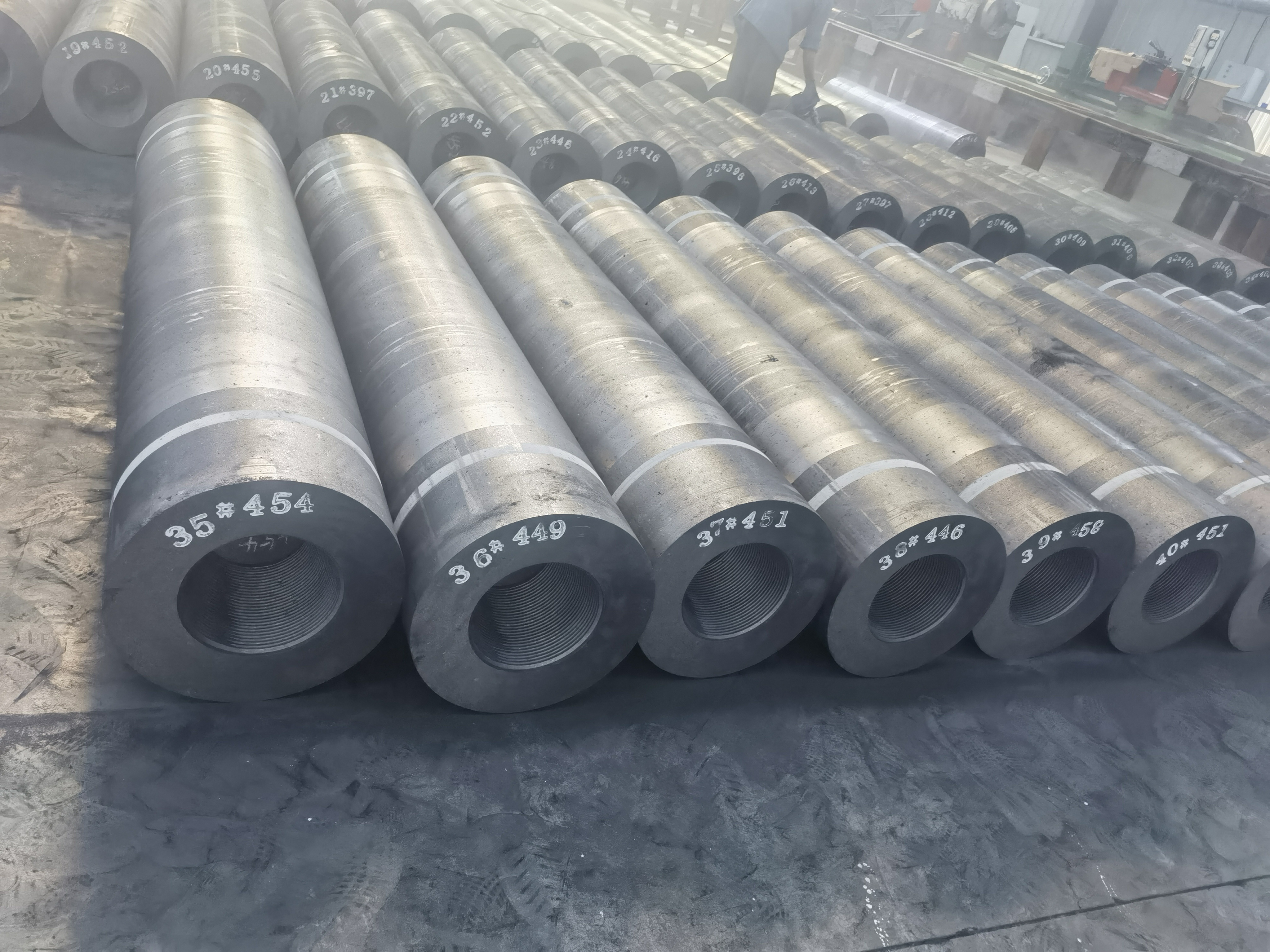
High purity graphite has gained increasing attention in the metallurgy and energy sectors due to its unique properties that make it indispensable in several applications. With a carbon content exceeding 99.9%, high purity graphite boasts excellent thermal and electrical conductivity, making it an ideal choice for a wide range of industrial applications.
One of the primary advantages of high purity graphite is its ability to withstand extreme conditions. In metallurgy, it is often utilized in the production of electrodes for electric arc furnaces. These electrodes require materials that can endure high temperatures and provide efficient conductivity. The purity of graphite plays a crucial role in ensuring the performance and longevity of these electrodes, ultimately reducing costs and improving productivity for manufacturers.
In the energy sector, high purity graphite is essential for the development of batteries, particularly lithium-ion batteries. As the demand for electric vehicles and renewable energy storage solutions continues to grow, the need for high-quality battery materials is paramount. High purity graphite serves as an anode material, contributing to improved energy density and overall battery efficiency. This rise in demand for energy storage solutions presents significant opportunities for professionals to explore advancements in high purity graphite applications.
Moreover, high purity graphite is increasingly utilized in the manufacturing of specialized components for aerospace and nuclear industries. Its resistance to corrosion and low thermal expansion coefficient makes it suitable for environments where reliability is critical. Understanding the specific requirements and applications of high purity graphite in these fields can provide professionals with valuable insights into enhancing their product offerings and meeting industry standards.
Furthermore, the sourcing and processing of high purity graphite can significantly impact its quality and performance. Professionals in the metallurgy and energy sectors should stay informed about best practices in purifying graphite to maintain high standards. This includes exploring advanced purification techniques such as chemical vapor deposition (CVD) and high-temperature graphitization, which can achieve superior purity levels necessary for high-performance applications.
As the global market for high purity graphite continues to expand, staying abreast of technological advancements and trends is essential for professionals. Networking with industry experts, attending workshops, and participating in relevant conferences can provide valuable knowledge and insights into the evolving landscape of high purity graphite.
In conclusion, high purity graphite offers numerous advantages across various applications in the metallurgy and energy sectors. By understanding its properties and potential uses, professionals can position themselves strategically in a competitive market, ensuring they are well-equipped to meet the demands of an evolving industry.
Contact Us
E-mail:
Phone/WhatsApp:
+86 15711363051
Address:
Xingchuang International C912, Xinya Street No.15, Daxing District, Beijing, China



Contact
TEL: +8615711363051
EMAIL: sales@topflymaterial.com
ADD: Xingchuang International C912, Xinya Street No.15, Daxing District, Beijing, China