
Molded Graphite: Enhancing Durability in Extreme Conditions
Sep 27,2026
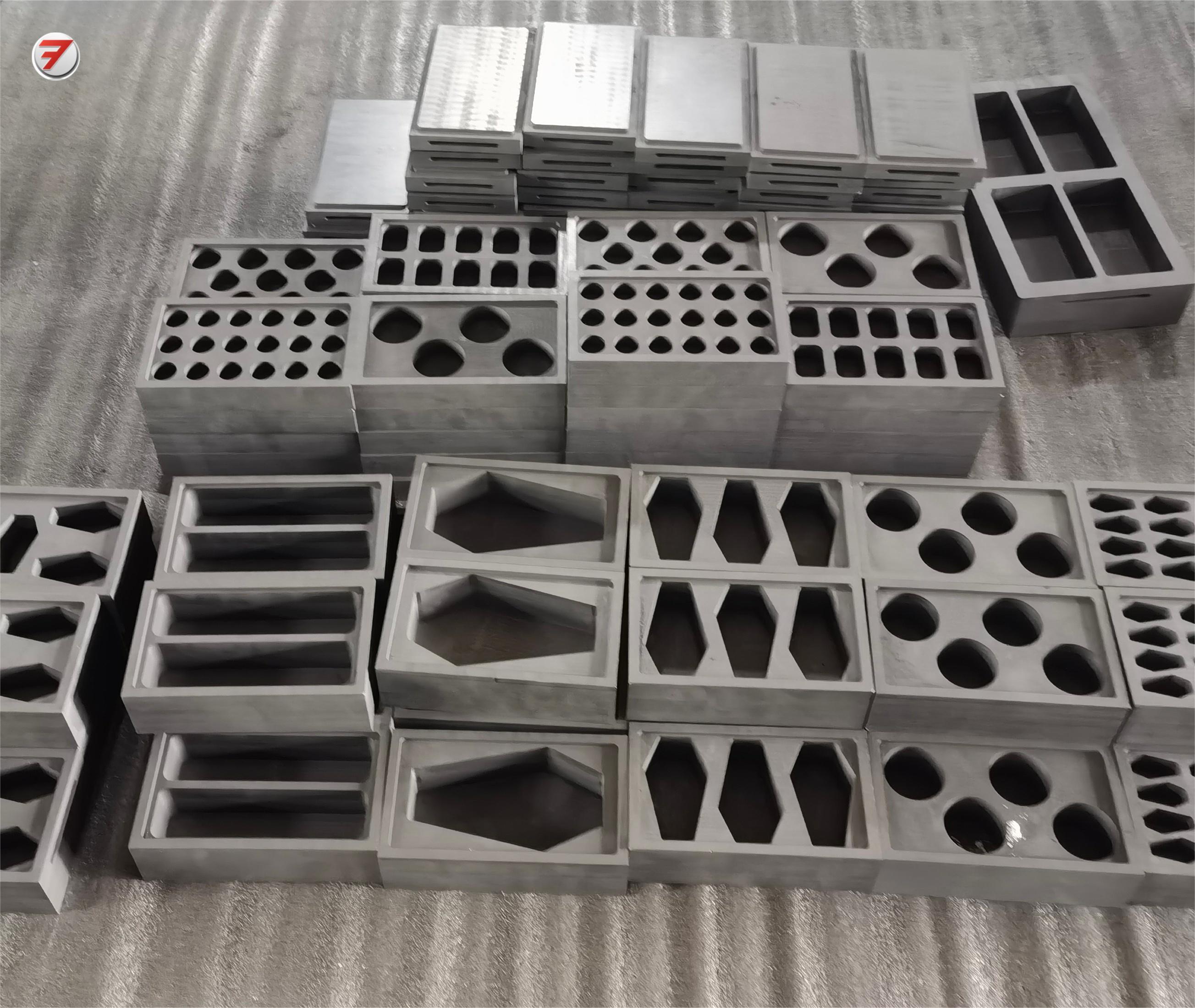
Molded Graphite: Enhancing Durability in Extreme Conditions
Table of Contents
- Introduction to Molded Graphite
- Properties of Molded Graphite
- Manufacturing Process of Molded Graphite
- Applications of Molded Graphite
- Advantages of Using Molded Graphite
- Sustainability and Environmental Impact
- Future Trends in Molded Graphite Technology
- Frequently Asked Questions
- Conclusion
Introduction to Molded Graphite
Molded graphite is a specialized type of carbon material that has gained significant attention in various industries due to its **exceptional properties**. Known for its ability to withstand extreme conditions, molded graphite has become a crucial element in applications requiring high thermal conductivity, chemical resistance, and mechanical strength. This article will explore the unique characteristics, manufacturing techniques, applications, and future of molded graphite, highlighting its role in enhancing durability in challenging environments.
Properties of Molded Graphite
Molded graphite possesses several key properties that make it an ideal choice for demanding applications. Some of these properties include:
High Thermal Conductivity
Molded graphite exhibits **excellent thermal conductivity**, making it suitable for use in high-temperature applications. This property allows it to efficiently transfer heat, which is essential in industries like electronics and metallurgy.
Chemical Resistance
One of the standout features of molded graphite is its **resistance to chemical corrosion**. This characteristic ensures longevity in harsh environments, particularly in the chemical processing and petroleum sectors.
Mechanical Strength
Molded graphite materials are known for their **high mechanical strength**, enabling them to withstand considerable stress and pressure. This durability is crucial in applications such as die-casting and aerospace components.
Self-Lubricating Properties
Another noteworthy property is its **self-lubricating capability**. Molded graphite can reduce friction between moving parts, decreasing wear over time and enhancing the lifespan of mechanical systems.
Manufacturing Process of Molded Graphite
The production of molded graphite involves several critical steps that ensure the final product meets stringent quality standards.
Raw Material Selection
The process begins with the careful selection of raw materials. High-purity graphite and binders are chosen based on desired characteristics. These materials are essential to achieving the desired performance specifications for the final product.
Mixing and Molding
Once the raw materials are selected, they are thoroughly mixed to create a homogeneous blend. The mixture is then **molded** into the required shape using high-pressure equipment. This step is crucial for achieving the desired density and mechanical properties.
Sintering Process
After molding, the components undergo a **sintering process**, where they are heated to high temperatures in a controlled environment. This step activates the binder and enhances the structural integrity of the molded graphite.
Finishing Touches
Finally, the molded graphite products are subjected to finishing processes, including machining, coating, or surface treatment, to meet specific application requirements. This ensures that the final product is not only functional but also aesthetically pleasing.
Applications of Molded Graphite
Molded graphite is utilized across various industries thanks to its exceptional properties. Here are some of the most notable applications:
Aerospace and Defense
In the aerospace industry, molded graphite is used for components that must endure extreme temperatures and pressures. Its lightweight nature combined with high strength makes it an ideal choice for parts such as seals, gaskets, and heat shields.
Electronics
Molded graphite’s high thermal conductivity makes it perfect for heat sinks and other electronic components. It efficiently dissipates heat, ensuring optimal performance and longevity of electronic devices.
Automotive Industry
In automotive applications, molded graphite serves in various capacities, including brake linings and bearings. Its self-lubricating properties reduce friction, enhancing the overall efficiency of the vehicle.
Metallurgy
Molded graphite is widely used in the metallurgical industry for applications such as crucibles and molds. Its ability to withstand high temperatures and resist oxidation makes it a valuable material in metal casting processes.
Advantages of Using Molded Graphite
The advantages of using molded graphite are numerous and can impact both operational efficiency and overall product performance.
Enhanced Durability
Molded graphite is designed to withstand extreme conditions, which significantly enhances the durability of components, reducing the need for frequent replacements and repairs.
Cost-Effectiveness
Although the initial investment in molded graphite components may be higher than traditional materials, their longevity and low maintenance needs result in cost savings over time.
Versatility
Molded graphite can be tailored for various applications, making it a versatile choice for industries ranging from aerospace to pharmaceuticals. Manufacturers can customize the properties of molded graphite to suit specific needs.
Performance in Harsh Environments
The ability to perform reliably in harsh environments—high temperatures, high pressures, and corrosive atmospheres—sets molded graphite apart from other materials.
Sustainability and Environmental Impact
As industries increasingly emphasize sustainability, molded graphite emerges as a favorable option due to its environmentally friendly characteristics.
Recyclability
Molded graphite is recyclable, reducing waste and encouraging sustainable practices in production. Reusing materials not only conserves resources but also minimizes the environmental footprint of manufacturing processes.
Energy Efficiency
In applications like electronics and automotive, the energy efficiency of molded graphite components leads to reduced energy consumption, further contributing to sustainability efforts.
Low Emissions
The production and application of molded graphite result in lower emissions compared to some alternative materials, enhancing its appeal in an eco-conscious market.
Future Trends in Molded Graphite Technology
As technology evolves, so does the potential for molded graphite to play an even more significant role in various sectors.
Advanced Composites
The integration of molded graphite with advanced composites is a growing trend. This combination enhances mechanical properties, creating materials that are not only lightweight but also exceptionally strong and resilient.
3D Printing Innovations
The rise of **3D printing** technologies opens new avenues for molded graphite applications. By employing additive manufacturing, manufacturers can create complex geometries and reduce material waste significantly.
Smart Materials
The development of smart molded graphite materials that can respond to environmental changes or external stimuli is on the horizon. Such innovations could revolutionize industries by enhancing performance and adaptability.
Frequently Asked Questions
What is molded graphite used for?
Molded graphite is used in various applications, including aerospace components, electronic heat sinks, automotive parts, and metallurgical molds due to its excellent durability, thermal conductivity, and chemical resistance.
How is molded graphite manufactured?
Molded graphite is manufactured through a process that involves raw material selection, mixing, high-pressure molding, sintering, and finishing processes to achieve the desired properties and performance.
What are the benefits of using molded graphite in harsh environments?
Molded graphite offers enhanced durability, chemical resistance, self-lubricating properties, and high thermal conductivity, making it ideal for applications in harsh environments.
Is molded graphite environmentally friendly?
Yes, molded graphite is recyclable and can contribute to energy efficiency, making it a more sustainable option compared to some alternative materials.
What future trends are expected in molded graphite technology?
Future trends include the integration of molded graphite with advanced composites, innovations in 3D printing, and the development of smart materials that adapt to environmental conditions.
Conclusion
Molded graphite is a remarkable material that offers a unique combination of properties, making it indispensable in various industries. Its ability to endure extreme conditions while providing excellent thermal conductivity and chemical resistance positions it as a leader in the non-metallic mineral products sector. As technology continues to advance, molded graphite’s applications will expand, offering innovative solutions that meet the evolving demands of modern industries. Embracing molded graphite not only enhances durability but also contributes to sustainable practices in manufacturing, paving the way for a more resilient future.
Contact Us
E-mail:
Phone/WhatsApp:
+86 15711363051
Address:
Xingchuang International C912, Xinya Street No.15, Daxing District, Beijing, China



Contact
TEL: +8615711363051
EMAIL: sales@topflymaterial.com
ADD: Xingchuang International C912, Xinya Street No.15, Daxing District, Beijing, China