
Understanding Isostatic Graphite: The Key to Advanced Applications
Sep 26,2026
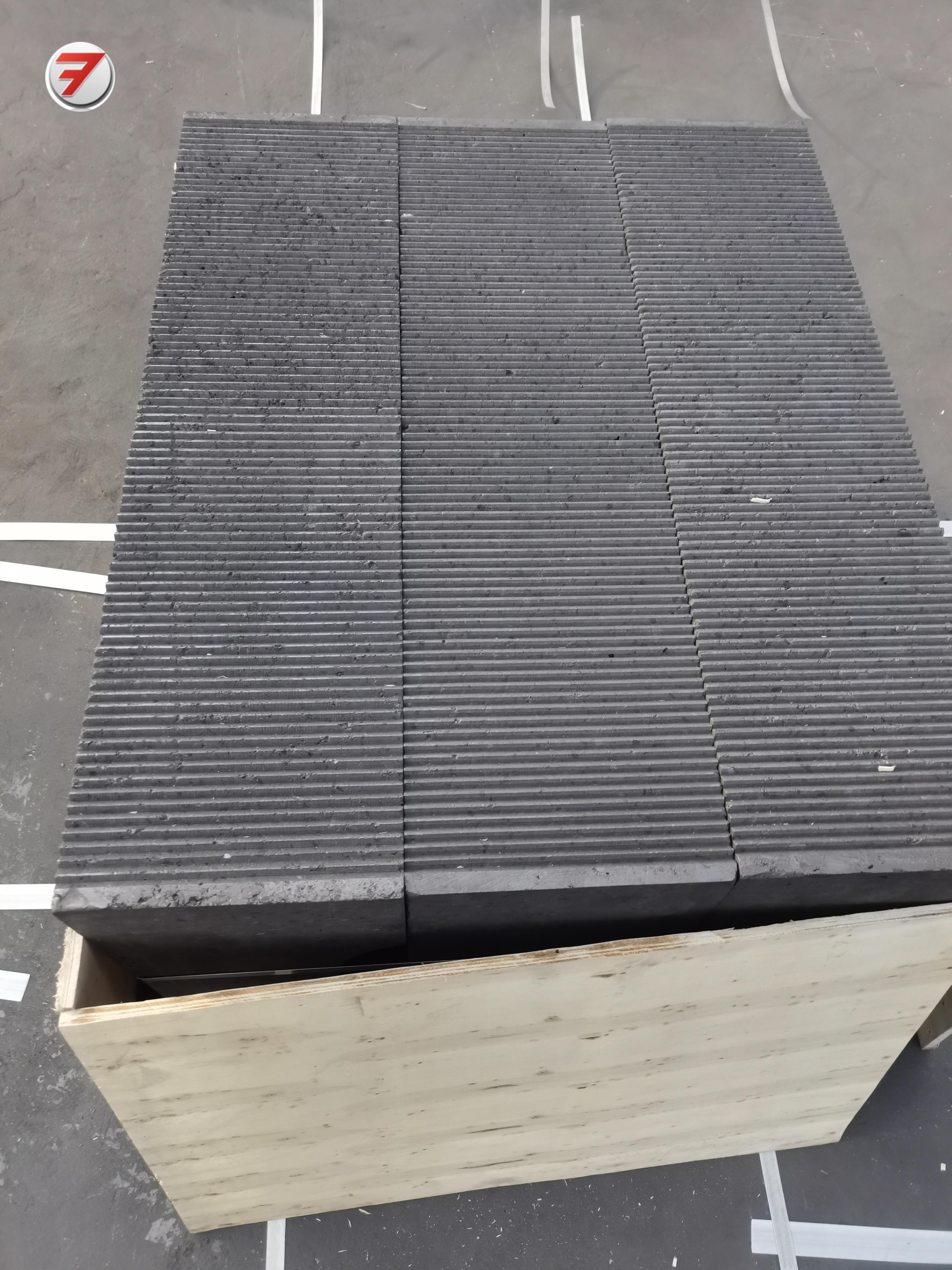
Isostatic graphite, a high-performance material, is created through a process that applies isostatic pressure to a mixture of graphite and resin. This innovative approach ensures that the material exhibits uniform density and exceptional mechanical properties, making it a preferred choice in numerous high-tech applications. Understanding the characteristics and advantages of isostatic graphite is essential for industries that rely on non-metallic mineral products, particularly in metallurgy and energy sectors.
One of the most notable features of isostatic graphite is its excellent thermal conductivity. This property makes it highly effective for applications requiring efficient heat dissipation, such as in the production of electrodes for electric arc furnaces and in semiconductor manufacturing. Moreover, the material's high resistance to thermal shock allows it to withstand extreme temperature fluctuations without compromising its structural integrity. This is particularly beneficial in processes where rapid heating and cooling cycles are common.
In addition to its thermal properties, isostatic graphite is known for its impressive mechanical strength. This strength is crucial in applications that require materials to endure high stress and pressure without deformation. For instance, isostatic graphite components are widely utilized in the aerospace industry, where reliability and performance are paramount. By maintaining its shape and functionality under demanding conditions, isostatic graphite helps enhance the overall performance of critical systems.
Another significant advantage of isostatic graphite lies in its chemical inertness. It is resistant to most corrosive environments, making it ideal for applications in chemical processing and nuclear power generation. This resistance not only prolongs the lifespan of components made from isostatic graphite but also reduces maintenance costs and enhances operational safety.
The production of isostatic graphite typically involves the use of specialized molds and high-pressure equipment, allowing manufacturers to create complex shapes and sizes tailored to specific applications. This flexibility makes isostatic graphite a versatile choice for various industries, including automotive, electronics, and energy.
Furthermore, the increasing demand for lightweight materials in modern manufacturing is driving interest in isostatic graphite. Its high strength-to-weight ratio makes it an attractive alternative to traditional materials, especially in applications where reducing overall weight is critical for efficiency and performance.
In conclusion, isostatic graphite stands out as a superior material that offers numerous benefits, including excellent thermal and mechanical properties, chemical resistance, and versatility in production. As industries continue to evolve and seek innovative solutions, the role of isostatic graphite in advanced applications will likely expand, solidifying its importance across various sectors. Understanding its unique characteristics can empower businesses to make informed decisions regarding material selection and application design.
Contact Us
E-mail:
Phone/WhatsApp:
+86 15711363051
Address:
Xingchuang International C912, Xinya Street No.15, Daxing District, Beijing, China



Contact
TEL: +8615711363051
EMAIL: sales@topflymaterial.com
ADD: Xingchuang International C912, Xinya Street No.15, Daxing District, Beijing, China