
Future Trends in Graphite Electrode Development: Innovations and Industry Insights
Sep 17,2026
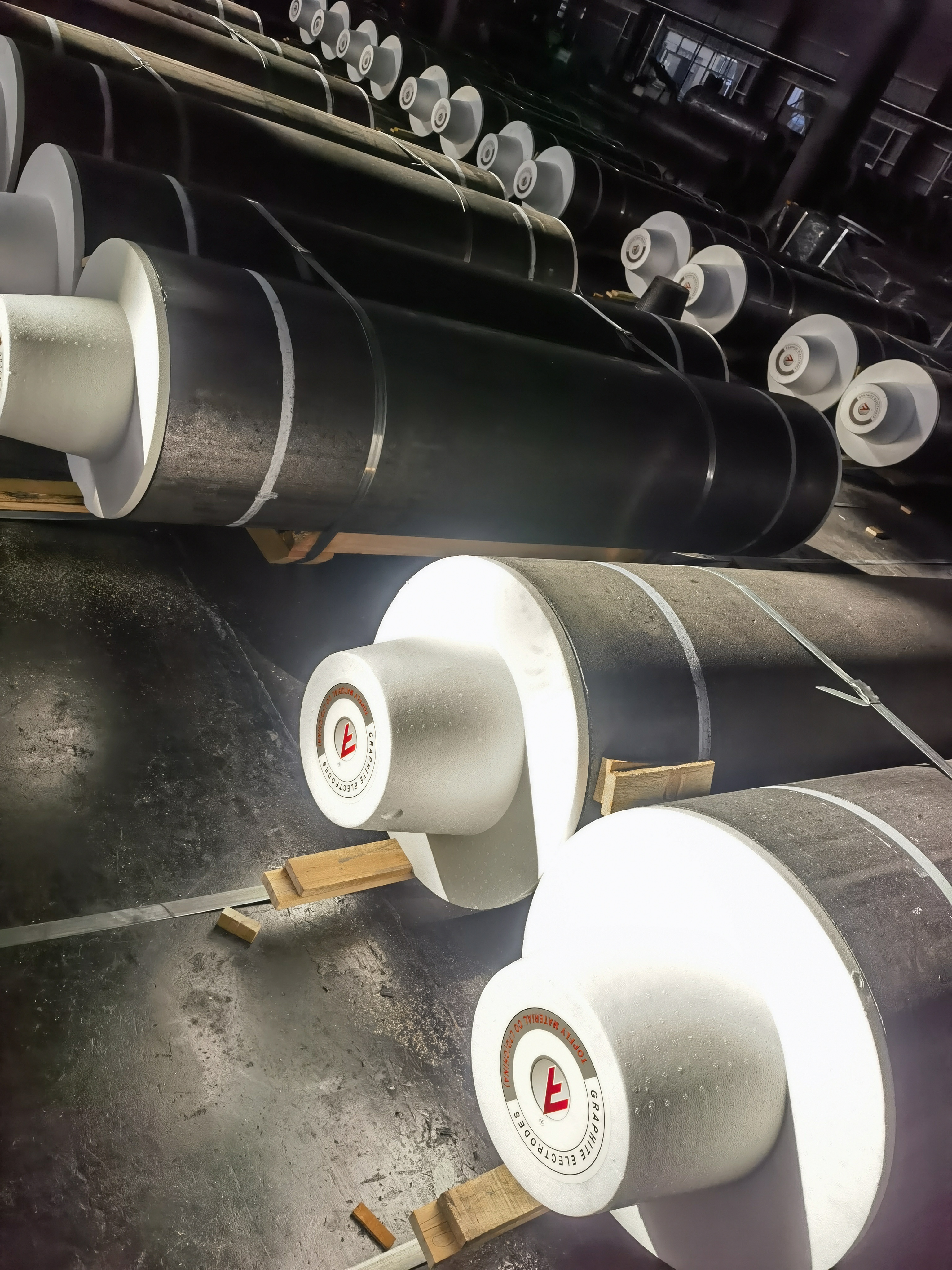
Future Trends in Graphite Electrode Development: Innovations and Industry Insights
Table of Contents
1. Introduction to Graphite Electrodes
2. The Importance of Graphite Electrodes in Metallurgy
3. Current Market Dynamics and Demand Analysis
4. Innovations in Graphite Electrode Manufacturing Techniques
4.1 Advanced Materials for Enhanced Performance
4.2 The Role of Technology in Production Efficiency
5. Environmental Considerations and Sustainability in Graphite Electrode Development
6. Future Trends Impacting Graphite Electrodes
6.1 Increased Use in Electric Arc Furnaces (EAF)
6.2 Growth in Renewable Energy Applications
7. Challenges Facing the Graphite Electrode Industry
8. Conclusion: The Road Ahead for Graphite Electrodes
1. Introduction to Graphite Electrodes
Graphite electrodes are crucial components in modern industrial applications, particularly in the production of steel and other metals through electric arc furnaces (EAF). These electrodes conduct electricity to facilitate the melting of raw materials, enabling efficient metallurgical processes. As industries evolve and demand for advanced materials increases, the development of high-performance graphite electrodes has become a focal point for manufacturers and researchers alike.
2. The Importance of Graphite Electrodes in Metallurgy
In the metallurgical sector, graphite electrodes play an essential role due to their ability to withstand extreme temperatures and their excellent electrical conductivity. They are designed to endure the harsh environments within electric arc furnaces, making them indispensable for steel production processes. The growing trend towards sustainability and recycling has further heightened the relevance of graphite electrodes, leading to innovations aimed at enhancing their efficiency and reducing environmental impact.
3. Current Market Dynamics and Demand Analysis
The global market for graphite electrodes has witnessed significant growth, driven by the rising demand for steel and the transition to electric-based production methods. According to recent industry reports, the increasing adoption of EAF technology is a primary driver of this demand. As countries strive to reduce carbon emissions and promote environmentally friendly practices, the shift towards EAF, which utilizes recycled scrap steel, is expected to bolster the graphite electrode market.
4. Innovations in Graphite Electrode Manufacturing Techniques
4.1 Advanced Materials for Enhanced Performance
Innovations in materials science have led to the development of high-quality graphite electrodes that offer superior performance. Manufacturers are now exploring the use of synthetic graphite, which can provide enhanced thermal and electrical conductivity compared to traditional materials. Additionally, blending natural and synthetic graphite can yield electrodes with optimized properties, catering to specific industrial needs.
4.2 The Role of Technology in Production Efficiency
The adoption of cutting-edge technologies, such as automation and artificial intelligence, is revolutionizing the manufacturing processes of graphite electrodes. These technologies enable greater precision and consistency in production, reducing waste and minimizing costs. Advanced quality control measures, integrated with real-time monitoring systems, ensure that every electrode meets the stringent requirements of the metallurgical sector.
5. Environmental Considerations and Sustainability in Graphite Electrode Development
As the world becomes more environmentally conscious, the graphite electrode industry is also focusing on sustainability. Manufacturers are implementing eco-friendly practices in their production processes, such as recycling and reusing materials wherever possible. Moreover, research is being conducted into alternative materials that could replace traditional graphite, thereby reducing the environmental footprint associated with electrode production.
6. Future Trends Impacting Graphite Electrodes
6.1 Increased Use in Electric Arc Furnaces (EAF)
The future of graphite electrodes is closely tied to the growth of EAF technology. With the increasing efficiency of electric arc furnaces and their ability to utilize scrap metal, the demand for high-quality graphite electrodes is expected to rise. This trend will further drive research and development efforts aimed at creating electrodes that can withstand the unique challenges posed by EAF operations.
6.2 Growth in Renewable Energy Applications
Another promising trend is the expansion of graphite electrodes in renewable energy applications. As the world invests in technologies like battery production and energy storage, the demand for high-performance graphite materials is set to soar. This shift towards renewable energy sources presents new opportunities for the graphite electrode market, pushing manufacturers to innovate and adapt.
7. Challenges Facing the Graphite Electrode Industry
Despite the optimistic outlook for graphite electrode development, several challenges persist. Fluctuations in raw material prices can significantly impact production costs. Furthermore, the industry faces competition from alternative technologies and materials that may offer similar or improved performance. Addressing these challenges requires ongoing innovation and collaboration among industry stakeholders to ensure sustainable growth.
8. Conclusion: The Road Ahead for Graphite Electrodes
The future of graphite electrode development is bright, characterized by continual advancements in materials and manufacturing techniques. As the demand for efficient and sustainable metallurgical processes grows, the industry must adapt and innovate to meet these challenges. By focusing on sustainability, embracing new technologies, and understanding market dynamics, manufacturers can position themselves for success in the evolving landscape of graphite electrodes. The journey ahead promises to be filled with opportunities for growth and innovation, solidifying graphite electrodes as a vital component in the industrial sector.
Frequently Asked Questions (FAQs)
1. What are graphite electrodes used for?
Graphite electrodes are primarily used in electric arc furnaces for steel production, where they conduct electricity to melt raw materials.
2. How does the demand for graphite electrodes relate to electric arc furnaces?
As electric arc furnaces gain popularity due to their efficiency and environmental benefits, the demand for high-quality graphite electrodes has increased significantly.
3. What innovations are being made in graphite electrode manufacturing?
Innovations include the use of advanced materials, automation in production, and improved quality control measures to enhance electrode performance.
4. What role does sustainability play in graphite electrode development?
Sustainability is becoming increasingly important, with manufacturers focusing on eco-friendly practices, material recycling, and the development of alternative materials.
5. What challenges does the graphite electrode industry face?
Challenges include fluctuating raw material prices, competition from alternative technologies, and the need for continual innovation to meet market demands.
Contact Us
E-mail:
Phone/WhatsApp:
+86 15711363051
Address:
Xingchuang International C912, Xinya Street No.15, Daxing District, Beijing, China



Contact
TEL: +8615711363051
EMAIL: sales@topflymaterial.com
ADD: Xingchuang International C912, Xinya Street No.15, Daxing District, Beijing, China