
Understanding High Purity Graphite: Key Insights for the Metallurgy and Energy Industries
Sep 16,2026
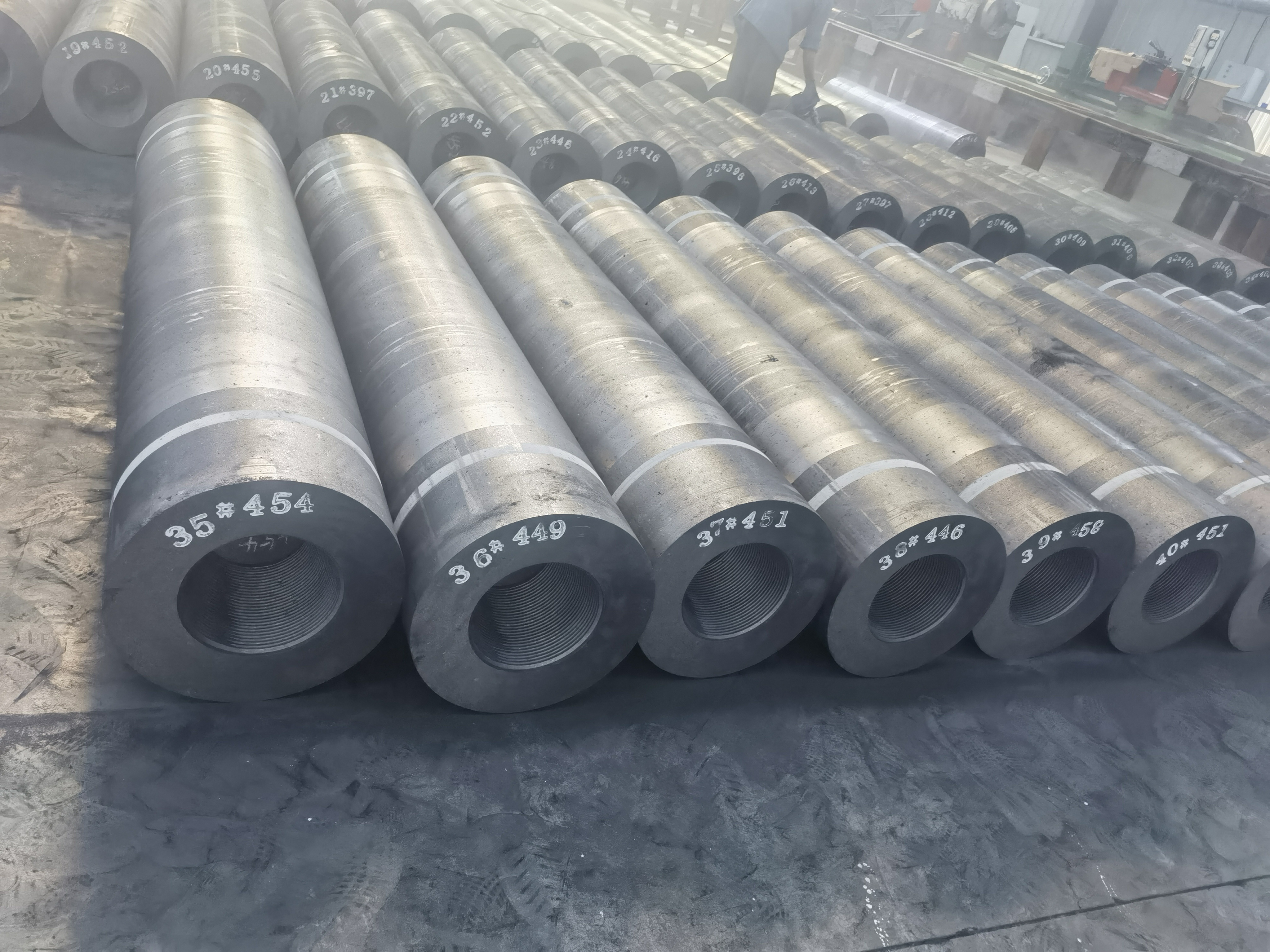
High purity graphite, characterized by its exceptional carbon content (typically above 99.9%), plays a vital role in numerous industrial applications due to its unique properties. With an increasing demand for advanced materials in metallurgy and energy, understanding high purity graphite becomes essential for businesses aiming to stay competitive and innovative.
One of the primary advantages of high purity graphite is its excellent thermal and electrical conductivity. In metallurgy, it is utilized in the production of electrodes for electric arc furnaces, which are crucial for steelmaking processes. The ability to withstand high temperatures while maintaining structural integrity makes high purity graphite the preferred choice for manufacturers looking to improve efficiency and reduce operational costs.
In the energy sector, high purity graphite is finding applications in the development of batteries, especially lithium-ion batteries, which power various electronic devices and electric vehicles. As the world shifts towards renewable energy sources and energy storage solutions, the demand for high purity graphite is likely to surge. It is essential for industry professionals to monitor market trends, as advancements in battery technology can significantly influence the demand dynamics for high purity graphite.
The production of high purity graphite involves various purification methods, including chemical treatments and thermal processes, to remove impurities that can adversely affect its performance. Companies investing in these advanced purification techniques can enhance product quality and cater to the specific needs of different industries. Furthermore, emerging technologies such as artificial intelligence and automation are transforming the production processes, improving efficiency, and reducing costs, which can ultimately lead to a more competitive market.
When considering the sourcing of high purity graphite, companies should assess not only the quality of the material but also the sustainability practices of their suppliers. The environmental impact of mining and processing graphite is under increased scrutiny, leading to a growing demand for responsibly sourced materials. By prioritizing sustainability, businesses can enhance their brand reputation and meet the expectations of environmentally conscious consumers.
In conclusion, high purity graphite is an indispensable component in the metallurgy and energy industries, with applications ranging from electrode manufacturing to energy storage solutions. As demand continues to rise, industry professionals must stay informed about production methodologies, market trends, and sustainable practices to leverage the opportunities presented by this critical material. By understanding the complexities of high purity graphite, companies can position themselves for success in an evolving marketplace.
Contact Us
E-mail:
Phone/WhatsApp:
+86 15711363051
Address:
Xingchuang International C912, Xinya Street No.15, Daxing District, Beijing, China



Contact
TEL: +8615711363051
EMAIL: sales@topflymaterial.com
ADD: Xingchuang International C912, Xinya Street No.15, Daxing District, Beijing, China