
Key Properties of Molded Graphite That Set It Apart: A Comprehensive Guide
Aug 30,2026
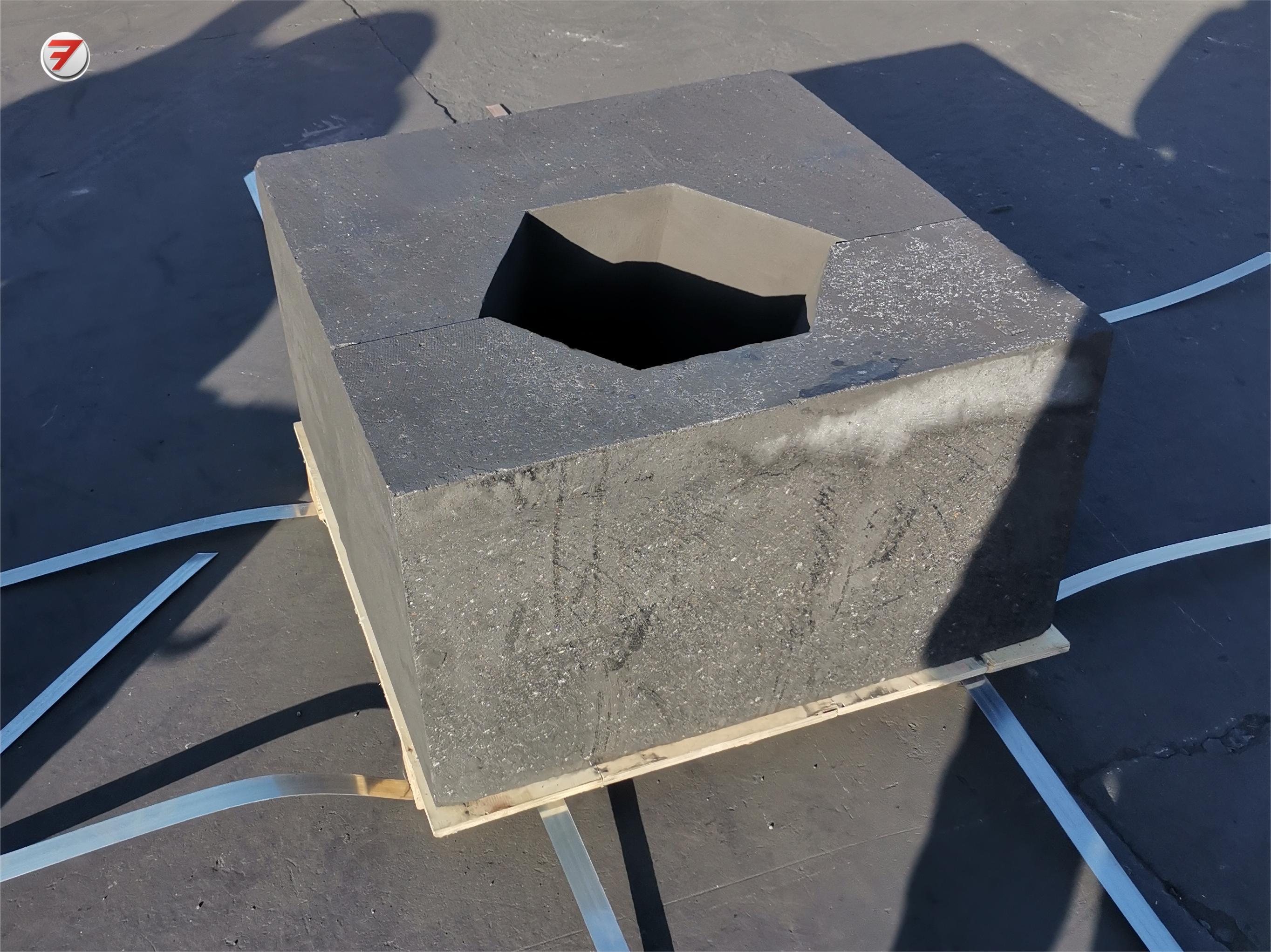
Key Properties of Molded Graphite That Set It Apart
Table of Contents
- Introduction to Molded Graphite
- What is Molded Graphite?
- The Manufacturing Process of Molded Graphite
- Key Properties of Molded Graphite
- 1. High-Temperature Resistance
- 2. Chemical Resistance
- 3. Excellent Thermal Conductivity
- 4. Superior Electrical Conductivity
- 5. Mechanical Properties
- Applications of Molded Graphite
- Advantages of Using Molded Graphite
- Challenges in Working with Molded Graphite
- Future Trends in Molded Graphite Usage
- Frequently Asked Questions
- Conclusion
Introduction to Molded Graphite
Molded graphite is a unique material extensively used in various industries due to its outstanding properties. As industries evolve, the demand for high-performance materials increases. Molded graphite stands out as a superior option for applications requiring durability, heat resistance, and excellent conductivity. Understanding the key properties of molded graphite helps us appreciate its role in modern manufacturing and energy solutions.
What is Molded Graphite?
Molded graphite is a type of graphite that is shaped through a molding process, enabling the creation of complex geometries and dimensions. This material is derived from natural graphite and is subjected to various treatments to enhance its properties. The molding process typically involves mixing graphite powder with a binding agent, followed by pressing the mixture into molds and subjecting it to high temperatures to achieve the desired characteristics. The resulting product is a dense, durable, and versatile material that is ideal for various industrial applications.
The Manufacturing Process of Molded Graphite
The manufacturing process of molded graphite involves several key steps:
1. **Material Selection**: High-purity natural or synthetic graphite is chosen based on the desired end properties.
2. **Mixing**: The graphite powder is blended with a binding agent, which can include resins or other additives, to enhance performance.
3. **Molding**: The mixture is pressed into molds under high pressure to form the desired shape.
4. **Baking**: The molded shapes are then subjected to high temperatures in a controlled environment, allowing the binding agents to cure and fuse the graphite particles.
5. **Finishing**: After baking, the graphite components undergo finishing processes such as machining or surface treatment to meet specific tolerances and surface qualities.
This meticulous manufacturing process ensures that molded graphite retains its unique properties while achieving the necessary dimensions required for specific applications.
Key Properties of Molded Graphite
Molded graphite possesses several key properties that distinguish it from other materials. Understanding these properties is crucial for industries that rely on graphite for their operations.
1. High-Temperature Resistance
One of the most significant properties of molded graphite is its **high-temperature resistance**. Molded graphite can withstand extreme temperatures, often exceeding 3000°C in inert atmospheres. This ability makes it ideal for applications in industries such as metallurgy, aerospace, and automotive, where materials must perform reliably under extreme conditions.
2. Chemical Resistance
Molded graphite exhibits excellent **chemical resistance**, allowing it to withstand corrosive environments without degrading. This characteristic is particularly beneficial in chemical processing and nuclear applications, where exposure to harsh chemicals and reactive materials is common. Its inert nature ensures that molded graphite maintains its structural integrity and performance over time.
3. Excellent Thermal Conductivity
The **thermal conductivity** of molded graphite is another standout property. It efficiently dissipates heat, making it suitable for various applications, including heat sinks and thermal management systems. This property allows molded graphite to be used effectively in electronics and renewable energy applications, where managing heat is critical to performance and longevity.
4. Superior Electrical Conductivity
Molded graphite also offers **superior electrical conductivity**, making it a valuable material in the manufacturing of electrical contacts, electrodes, and batteries. Its ability to conduct electricity while maintaining stability at high temperatures makes it an essential component in many electronic devices and systems.
5. Mechanical Properties
In addition to its thermal and electrical properties, molded graphite features impressive **mechanical properties**. It possesses significant strength and hardness, allowing it to withstand mechanical stress without fracturing. Its low coefficient of thermal expansion minimizes dimensional changes with temperature fluctuations, ensuring dimensional stability in various applications.
Applications of Molded Graphite
Molded graphite finds extensive applications across various industries due to its unique properties. Here are some notable applications:
- **Metallurgy**: Used in foundries for molds and crucibles due to its heat resistance.
- **Aerospace**: Employed in components that require lightweight materials with high strength and thermal stability.
- **Electronics**: Utilized in the production of batteries, electrodes, and electrical contacts due to its conductivity.
- **Nuclear Industry**: Acts as a moderator and structural material in nuclear reactors due to its inertness and stability under radiation.
- **Automotive**: Used in brake pads and other friction materials due to its high-temperature resistance and durability.
These applications illustrate the versatility of molded graphite and its critical role in advancing technological innovations across various fields.
Advantages of Using Molded Graphite
The advantages of using molded graphite are numerous, contributing to its popularity in various sectors:
- **Durability**: Molded graphite's resilience to wear and tear ensures a longer lifespan for components and reduced replacement costs.
- **Customization**: The molding process allows for the production of complex shapes, enabling tailored solutions for specific applications.
- **Cost-Effectiveness**: Despite its advanced properties, molded graphite can be produced at competitive costs, making it economical for mass production.
- **Sustainability**: Being derived from natural graphite, molded graphite is an environmentally friendly option, especially when sourced responsibly.
These advantages highlight why molded graphite is often the material of choice for demanding applications.
Challenges in Working with Molded Graphite
While molded graphite offers numerous benefits, it also presents challenges that need to be addressed:
- **Brittleness**: Molded graphite can be brittle, which may lead to fractures if not handled carefully during machining or installation.
- **Cost of High-Purity Materials**: Achieving high performance often requires high-purity graphite, which can be more expensive.
- **Technical Expertise Required**: The production and machining of molded graphite components require specialized knowledge and skills.
These challenges can be mitigated through careful planning and execution in the manufacturing and application processes.
Future Trends in Molded Graphite Usage
As technology continues to evolve, so does the application of molded graphite. Future trends indicate an increasing reliance on molded graphite in:
- **Advanced Energy Storage Solutions**: With the rise of electric vehicles and renewable energy technologies, molded graphite is expected to play a significant role in the development of more efficient batteries and energy storage systems.
- **Additive Manufacturing**: The integration of molded graphite in 3D printing processes is anticipated to enhance customizability and performance in complex applications.
- **Sustainable Practices**: As industries move toward more sustainable practices, the demand for environmentally friendly materials like molded graphite is likely to grow.
These trends point to a promising future for molded graphite as a cornerstone material in various innovative applications.
Frequently Asked Questions
1. What makes molded graphite different from other forms of graphite?
Molded graphite is specifically shaped through a molding process, allowing for the creation of complex geometries. Its unique properties, such as high-temperature resistance and superior conductivity, set it apart from other forms of graphite.
2. Can molded graphite be recycled?
Yes, molded graphite can be recycled, making it an environmentally friendly option. Recycled molded graphite can often be reprocessed and used in new applications.
3. What industries primarily use molded graphite?
Molded graphite is widely used in industries such as metallurgy, aerospace, electronics, nuclear energy, and automotive manufacturing.
4. How does the thermal conductivity of molded graphite compare to metals?
Molded graphite exhibits thermal conductivity comparable to some metals, making it an effective alternative for applications requiring efficient heat dissipation.
5. Are there any health risks associated with working with molded graphite?
While molded graphite is generally safe to handle, it is essential to follow safety guidelines to minimize exposure to dust and particles during machining processes.
Conclusion
Molded graphite is an exceptional material that possesses unique properties setting it apart from alternatives. Its high-temperature resistance, chemical stability, excellent conductivity, and mechanical strength make it invaluable in many industries. As technology evolves, the applications and advantages of molded graphite continue to expand, paving the way for innovative solutions in manufacturing and energy. Understanding its properties and potential will empower industries to harness the full benefits of this remarkable material, ensuring a sustainable and efficient future.
Contact Us
E-mail:
Phone/WhatsApp:
+86 15711363051
Address:
Xingchuang International C912, Xinya Street No.15, Daxing District, Beijing, China



Contact
TEL: +8615711363051
EMAIL: sales@topflymaterial.com
ADD: Xingchuang International C912, Xinya Street No.15, Daxing District, Beijing, China