
Understanding Isostatic Graphite: Key Characteristics and Applications in Metallurgy
Aug 29,2026
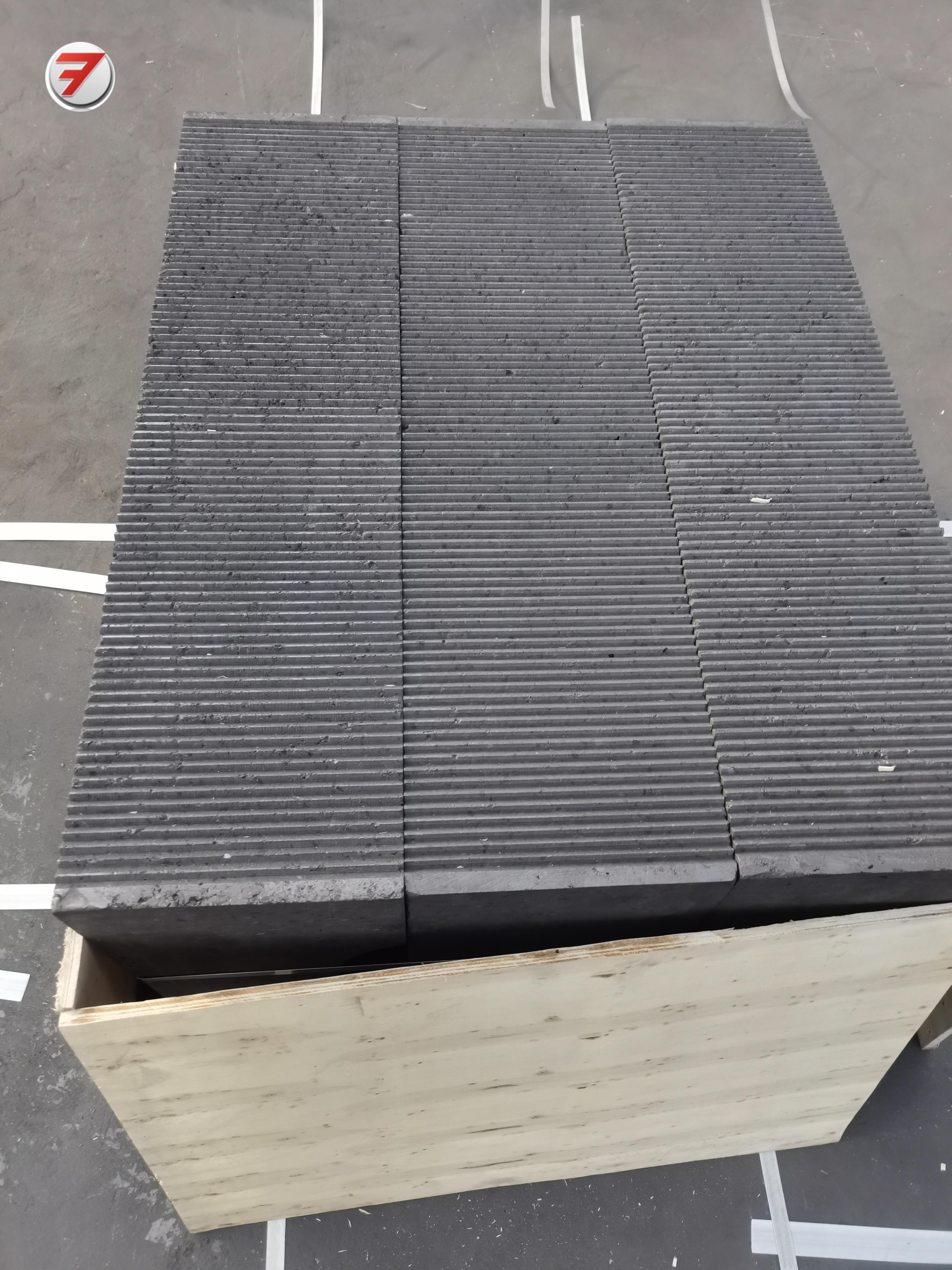
Isostatic graphite, a high-performance material derived from graphite, is produced through a unique process that involves applying uniform pressure in all directions during its manufacturing. This method results in a dense, uniform structure that enhances the material's mechanical properties, making isostatic graphite a preferred choice in various industries, particularly in metallurgy and energy sectors.
One of the primary characteristics of isostatic graphite is its exceptional thermal conductivity, which makes it ideal for high-temperature applications. In metallurgical processes, where precise temperature control is crucial, isostatic graphite serves as an effective material for components like crucibles, molds, and electrodes. Its ability to withstand extreme conditions without significant thermal expansion or deformation ensures the reliability and efficiency of industrial operations.
Moreover, isostatic graphite exhibits excellent electrical conductivity, making it suitable for use in electrical discharge machining (EDM). In this process, isostatic graphite electrodes are utilized for intricate shaping and manufacturing of metal components. The uniform density of isostatic graphite ensures consistent performance during EDM, leading to enhanced precision and reduced wear on machining tools.
Another notable attribute of isostatic graphite is its resistance to chemical corrosion. In metallurgical applications that involve harsh environments and aggressive materials, isostatic graphite provides durability and longevity, reducing the frequency of material replacements. This property is particularly valuable in processes where metal and molten materials come into contact with the graphite components.
Furthermore, isostatic graphite can be tailored to meet specific requirements through various post-processing techniques. This flexibility allows for the production of customized shapes and sizes, catering to the diverse needs of different metallurgical applications. Whether it's for high-performance seals, gaskets, or specialized linings, isostatic graphite can be engineered to suit specific operational conditions.
In summary, isostatic graphite plays a pivotal role in the metallurgy and energy industries, attributed to its unique properties such as high thermal and electrical conductivity, chemical resistance, and customizable forms. By leveraging these characteristics, industries can enhance their production processes, improve efficiency, and achieve higher levels of precision in their operations. As demand for advanced materials continues to grow, understanding the benefits of isostatic graphite will be crucial for companies looking to innovate and excel in their respective fields.
Contact Us
E-mail:
Phone/WhatsApp:
+86 15711363051
Address:
Xingchuang International C912, Xinya Street No.15, Daxing District, Beijing, China



Contact
TEL: +8615711363051
EMAIL: sales@topflymaterial.com
ADD: Xingchuang International C912, Xinya Street No.15, Daxing District, Beijing, China