
The Crucial Role of Graphite Electrodes in Modern Metallurgy
Aug 27,2026
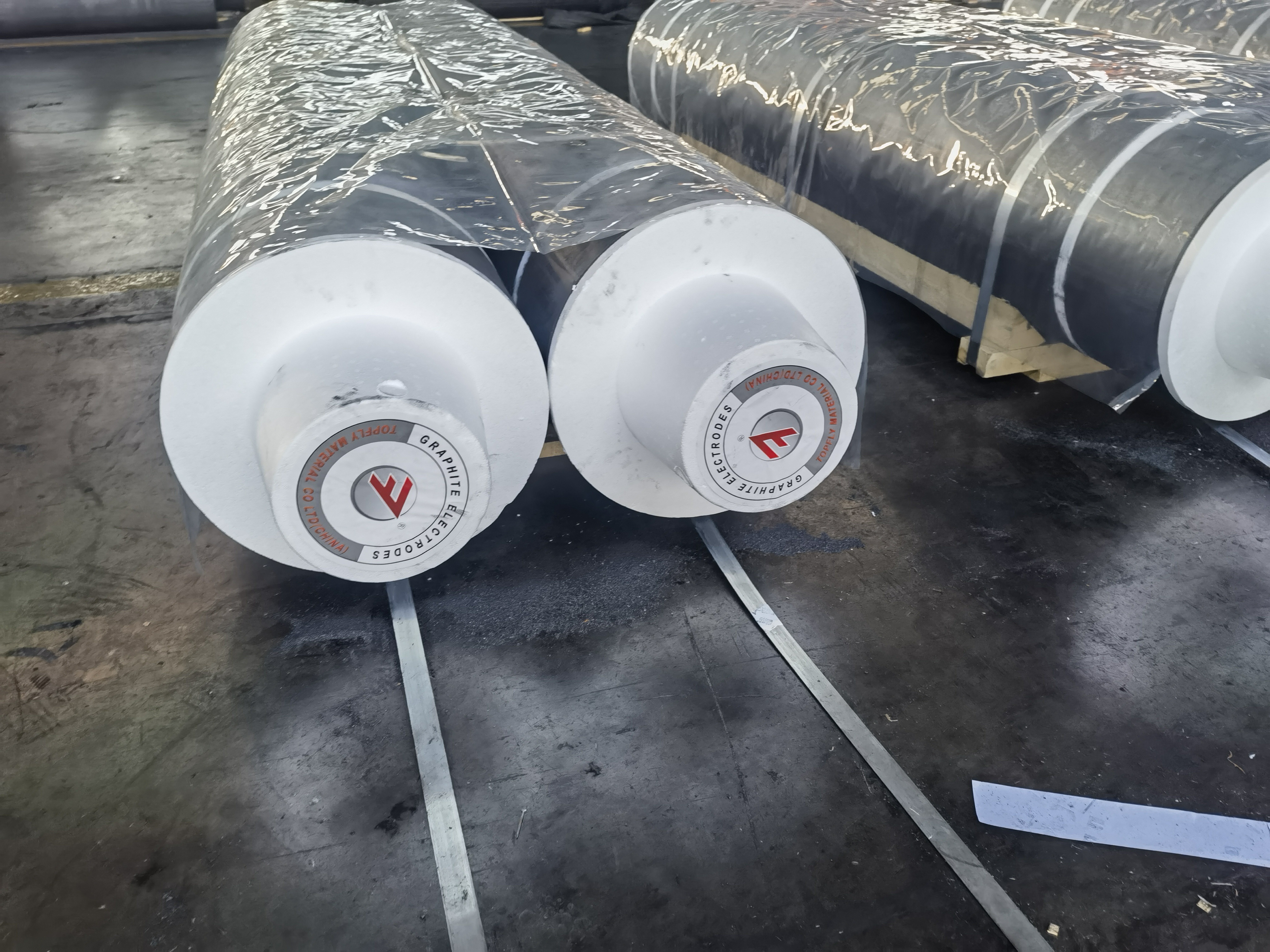
Graphite electrodes are essential in the electric arc furnace (EAF) steelmaking process, where they conduct electricity to produce heat for melting scrap steel or direct reduced iron. The properties of graphite, such as its high thermal conductivity, chemical stability, and resistance to oxidation, make these electrodes suitable for high-temperature applications. The performance of graphite electrodes directly impacts energy consumption and, consequently, production costs, making their quality paramount in the metallurgical industry.
The manufacturing of graphite electrodes involves several key steps, starting with the selection of high-quality petroleum needle coke as the primary raw material. This coke is subjected to processes that include baking, graphitization, and machining. The graphitization process, which occurs at temperatures exceeding 3,000 degrees Celsius, transforms the baked material into a structured graphite form. Following this, precise machining ensures that the electrodes meet specific dimensional and performance standards, which is vital for achieving optimal results in electric arc furnaces.
In addition to steelmaking, graphite electrodes find applications across various industries, including aluminum smelting, silicon production, and even in the field of renewable energy technologies such as lithium-ion batteries. The demand for high-performance electrodes is driven by the need for greater energy efficiency and lower environmental impact. As industries strive to minimize carbon footprints, innovations in electrode design and material composition are becoming increasingly significant.
The market for graphite electrodes has experienced fluctuations in recent years due to shifting supply and demand dynamics, driven primarily by developments in the global steel market and environmental regulations. Understanding these trends is crucial for professionals in the metallurgy and mining sectors, as they directly affect strategic planning and procurement decisions.
Moreover, advancements in manufacturing technologies, including the use of artificial intelligence and automation, are reshaping the production of graphite electrodes, enhancing quality control, and reducing lead times. Industry professionals must stay informed about these developments to leverage opportunities for innovation and cost savings.
In summary, graphite electrodes are a cornerstone of modern metallurgical operations, influencing both product quality and production efficiency. By understanding their properties, manufacturing processes, and market trends, professionals can make informed decisions that enhance operational performance and align with evolving industry standards. Keeping abreast of technological advancements will further empower metallurgical enterprises to thrive in an increasingly competitive landscape.
PREVIOUS:
Contact Us
E-mail:
Phone/WhatsApp:
+86 15711363051
Address:
Xingchuang International C912, Xinya Street No.15, Daxing District, Beijing, China



Contact
TEL: +8615711363051
EMAIL: sales@topflymaterial.com
ADD: Xingchuang International C912, Xinya Street No.15, Daxing District, Beijing, China