
Key Factors Influencing the Quality of High Purity Graphite: A Comprehensive Analysis
Aug 26,2026
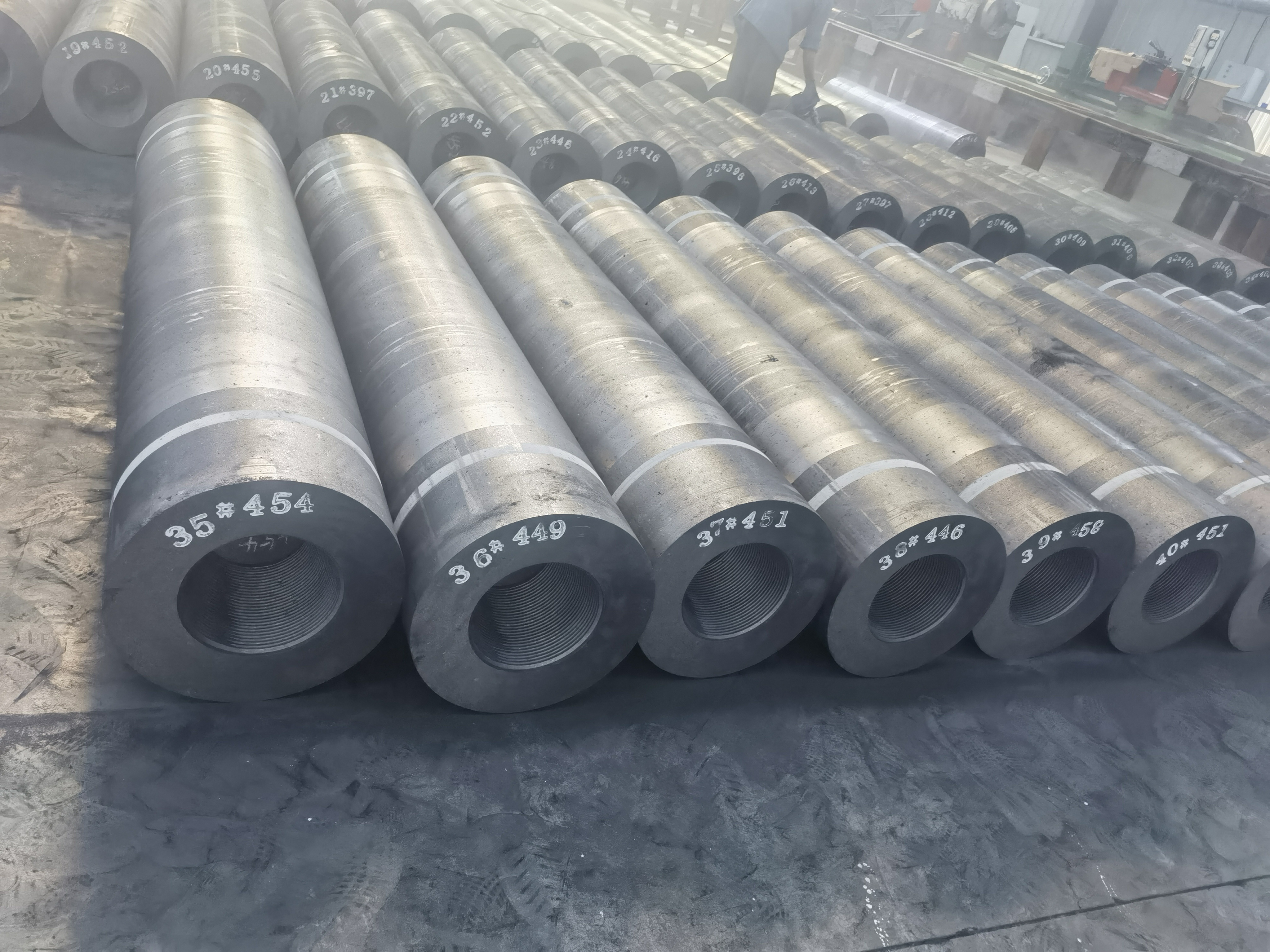
Key Factors Influencing the Quality of High Purity Graphite
Graphite, a versatile and essential material, plays a crucial role in numerous industries, including electronics, batteries, and metallurgy. High purity graphite, in particular, is highly sought after for its unique properties and applications. Understanding the key factors influencing the quality of high purity graphite is essential for manufacturers and consumers alike. This article provides an in-depth analysis of these factors, offering valuable insights into the production and application of high purity graphite.
Table of Contents
- 1. Introduction to High Purity Graphite
- 2. Raw Material Quality and Selection
- 3. Processing Techniques Impacting Purity
- 4. Impurities and Their Sources
- 5. Testing and Validation of Purity
- 6. Applications of High Purity Graphite
- 7. Future Trends in High Purity Graphite Production
- 8. Conclusion
- 9. Frequently Asked Questions (FAQs)
1. Introduction to High Purity Graphite
High purity graphite is defined as graphite with a carbon content of 99.9% or higher. This exceptional purity level is essential for various applications, especially in electronic devices, batteries, and high-temperature processes. The demand for high purity graphite has surged in recent years due to the exponential growth of the electric vehicle (EV) market and the increasing need for advanced materials in modern technology.
2. Raw Material Quality and Selection
The foundation of high purity graphite lies in the selection of raw materials. The quality of graphite ore significantly impacts the final product's purity. Key considerations include:
2.1. Source of Graphite Ore
Graphite can be sourced from natural deposits or synthesized through various methods. Natural graphite is typically categorized into three types: flake, amorphous, and lump graphite. Flake graphite is often preferred for high purity applications due to its larger particle size and higher carbon content.
2.2. Geological Factors
The geological formation where graphite is sourced plays a significant role in its purity. Graphite deposits formed under specific geological conditions often have fewer impurities. Locations rich in metamorphic rocks tend to yield higher quality graphite.
3. Processing Techniques Impacting Purity
Once the raw material is sourced, the processing techniques employed can greatly influence the final purity of graphite. Several methods are utilized to enhance the purity levels.
3.1. Mechanical Milling
Mechanical milling is a common technique used to reduce the particle size of graphite. This method can help separate impurities but may also introduce new contaminants if not performed under controlled conditions.
3.2. Chemical Purification
Chemical methods, such as acid leaching or flotation, are often employed to remove impurities. These processes can significantly enhance the purity of graphite but must be carefully managed to avoid altering its characteristics.
3.3. Thermal Treatment
High-temperature treatment is another effective technique for enhancing graphite purity. By exposing graphite to extreme temperatures, certain impurities can be vaporized, leading to a higher purity level.
4. Impurities and Their Sources
Understanding the types of impurities present in graphite is crucial for assessing its quality. Common impurities include:
4.1. Mineral Impurities
Mineral impurities such as quartz, mica, or feldspar can significantly affect the performance of high purity graphite. These minerals often originate from the source rock and can remain through the processing stages.
4.2. Chemical Contaminants
Chemical contaminants may arise from the processing methods employed. Residual chemicals from leaching or milling can affect the purity level, highlighting the importance of effective cleaning methods.
5. Testing and Validation of Purity
To ensure the quality of high purity graphite, rigorous testing and validation methods are required. Common testing methods include:
5.1. X-ray Fluorescence (XRF)
XRF is a widely used technique for determining the elemental composition of graphite. It can identify and quantify impurities, providing critical data for quality assurance.
5.2. Infrared Spectroscopy
Infrared spectroscopy can be employed to analyze the functional groups present in graphite. This method offers insight into the purity and structural integrity of the material.
5.3. Carbon Content Analysis
Determining the carbon content is essential for classifying graphite as high purity. Techniques such as combustion analysis can quantify the carbon and identify any remaining impurities.
6. Applications of High Purity Graphite
High purity graphite finds its way into numerous applications across various industries:
6.1. Battery Manufacturing
With the rise of electric vehicles and renewable energy storage, high purity graphite is crucial for anode materials in lithium-ion batteries. Its excellent conductivity and chemical stability make it ideal for battery performance.
6.2. Electronics Industry
In the electronics sector, high purity graphite is used in the production of semiconductors, capacitors, and other components requiring high thermal and electrical conductivity.
6.3. Metallurgical Applications
High purity graphite is integral to metallurgical processes, including steel production, where it serves as a lubricant and a source of carbon.
7. Future Trends in High Purity Graphite Production
As demand for high purity graphite continues to rise, several trends are emerging in its production:
7.1. Sustainable Sourcing
The shift towards sustainable practices is influencing the sourcing of graphite. Manufacturers are exploring eco-friendly mining and processing methods to minimize environmental impact.
7.2. Advanced Purification Techniques
Innovations in purification technologies are enhancing the efficiency and effectiveness of removing impurities, leading to higher quality graphite with lower processing costs.
7.3. Increased Research and Development
Ongoing research into the properties and applications of high purity graphite is expected to drive advancements in its production, opening new markets and applications.
8. Conclusion
In conclusion, the quality of high purity graphite is influenced by various factors, including raw material selection, processing techniques, and impurity management. Understanding these factors is essential for manufacturers and industries reliant on high purity graphite for their products. As demand for this vital material continues to grow, ongoing advancements in production methods and a focus on sustainability will be key to meeting future needs.
9. Frequently Asked Questions (FAQs)
9.1. What is high purity graphite?
High purity graphite is defined as graphite with a carbon content of 99.9% or higher, making it suitable for demanding applications in electronics, batteries, and metallurgy.
9.2. What are the main sources of impurities in graphite?
Common impurities in graphite can originate from mineral components in the source rock, chemical contaminants introduced during processing, or residual materials from production methods.
9.3. How is the purity of graphite tested?
Purity can be assessed using techniques such as X-ray fluorescence (XRF), infrared spectroscopy, and carbon content analysis to quantify impurities and validate quality.
9.4. What applications require high purity graphite?
High purity graphite is crucial for battery manufacturing, electronics, and metallurgical applications due to its excellent conductivity and stability.
9.5. What trends are shaping the future of high purity graphite production?
Future trends include sustainable sourcing, advancements in purification techniques, and increased research and development to explore new applications and improve quality.
Contact Us
E-mail:
Phone/WhatsApp:
+86 15711363051
Address:
Xingchuang International C912, Xinya Street No.15, Daxing District, Beijing, China



Contact
TEL: +8615711363051
EMAIL: sales@topflymaterial.com
ADD: Xingchuang International C912, Xinya Street No.15, Daxing District, Beijing, China