
Innovations in Molded Graphite: Shaping the Future of Non-Metallic Products
Jul 19,2026
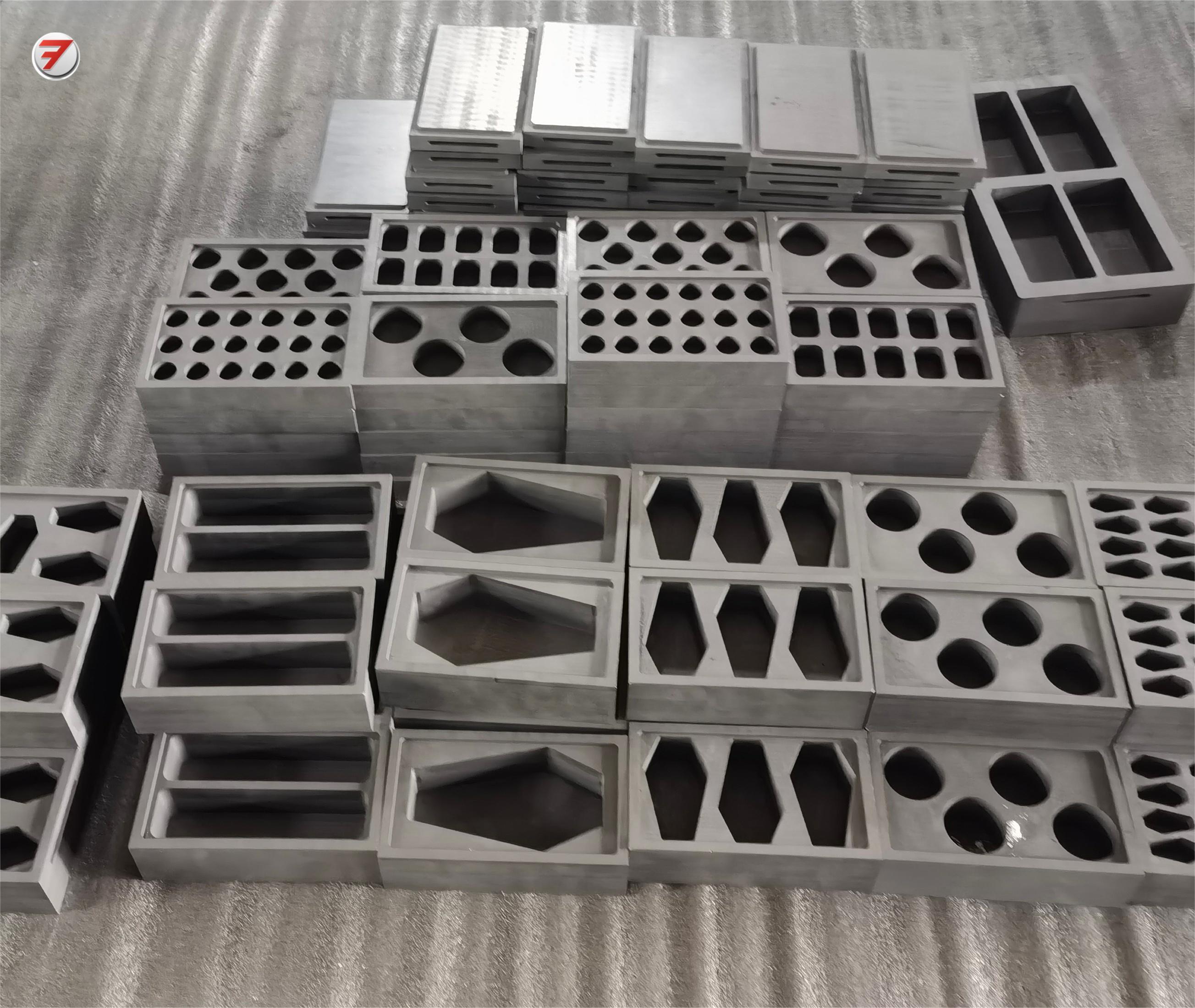
Innovations in Molded Graphite: Shaping the Future of Non-Metallic Products
Table of Contents
1. Introduction to Molded Graphite
2. The Evolution of Molded Graphite Technology
3. Key Innovations in Molded Graphite Production
4. Applications of Molded Graphite in Various Industries
5. Advantages of Using Molded Graphite
6. Sustainability in Molded Graphite Manufacturing
7. Future Trends in Molded Graphite Innovations
8. Frequently Asked Questions (FAQs)
9. Conclusion
1. Introduction to Molded Graphite
Molded graphite has emerged as a key material in the non-metallic product industry. Its unique properties, including high thermal conductivity, excellent chemical resistance, and low expansion rates, make it an ideal choice for various applications. In recent years, innovations in molded graphite have not only improved its performance but have also opened new avenues for its use across different sectors.
2. The Evolution of Molded Graphite Technology
The history of molded graphite can be traced back to its early uses in electrical components and industrial applications. Over the years, technological advancements have enabled manufacturers to enhance the purity and structural integrity of graphite products. Innovations such as advanced molding techniques and the use of high-quality raw materials have significantly expanded the capabilities of molded graphite.
2.1 Traditional vs. Modern Techniques
Traditional methods of producing molded graphite often involved manual processes that limited precision and scalability. However, modern techniques, including automated molding and precision machining, have transformed production efficiency. These advancements ensure that molded graphite products meet stringent industry standards and specifications.
3. Key Innovations in Molded Graphite Production
Recent innovations in molded graphite production are paving the way for enhanced performance and versatility. These include:
3.1 Advanced Molding Techniques
New molding techniques, such as isostatic pressing and vibration molding, allow for uniform density and superior mechanical properties in molded graphite. These processes enable manufacturers to produce components with intricate shapes while maintaining excellent dimensional accuracy.
3.2 Composite Materials
The incorporation of composite materials into molded graphite has led to enhanced functionality. By combining graphite with polymers or ceramics, manufacturers can create hybrid materials that exhibit improved strength, thermal stability, and chemical resistance.
3.3 Additive Manufacturing
The integration of additive manufacturing technologies has revolutionized the way molded graphite products are created. 3D printing allows for rapid prototyping and customization, enabling companies to develop tailored solutions that meet specific application requirements.
4. Applications of Molded Graphite in Various Industries
Molded graphite is utilized across a wide range of industries, each benefiting from its unique properties. Some notable applications include:
4.1 Electronics and Electrical Components
In the electronics industry, molded graphite is used for components such as electrodes, resistors, and capacitors. Its excellent electrical conductivity and thermal stability make it the material of choice for high-performance applications.
4.2 Aerospace and Automotive
The aerospace and automotive sectors leverage molded graphite for components requiring high strength-to-weight ratios and thermal resilience. Applications include seals, gaskets, and specialized components in engines and braking systems.
4.3 Chemical Processing
Molded graphite's resistance to corrosion and high temperatures positions it as a reliable material for chemical processing equipment. Its use in pumps, valves, and reactors enhances operational efficiency and safety.
4.4 Renewable Energy Solutions
With the growing emphasis on renewable energy, molded graphite is increasingly employed in solar panels and batteries. Its thermal management properties contribute to the efficiency and longevity of these technologies.
5. Advantages of Using Molded Graphite
The advantages of molded graphite extend beyond its technical properties, offering several benefits to manufacturers and end-users alike. These include:
5.1 High Performance
Molded graphite exhibits outstanding thermal and electrical conductivity, making it a high-performance material in demanding applications.
5.2 Cost-Effectiveness
The efficient production processes associated with modern molded graphite manufacturing contribute to reduced costs, making it an economically viable option for various industries.
5.3 Customizability
The ability to tailor molded graphite products to specific requirements allows manufacturers to meet diverse market needs while enhancing their competitive edge.
5.4 Durability and Longevity
Molded graphite components are known for their durability, resulting in longer service life and reduced maintenance costs for end-users.
6. Sustainability in Molded Graphite Manufacturing
As industries increasingly focus on sustainability, molded graphite manufacturing has adopted eco-friendly practices. Innovations in production processes aim to minimize waste and energy consumption while utilizing recycled materials whenever possible.
6.1 Eco-Friendly Sourcing
Sustainable sourcing of raw materials is vital in reducing the environmental impact of molded graphite. Companies are exploring responsible mining and processing methods to ensure a greener supply chain.
6.2 Energy Efficiency in Production
Advanced manufacturing techniques prioritize energy efficiency, employing technologies that reduce the carbon footprint of molded graphite production.
7. Future Trends in Molded Graphite Innovations
The future of molded graphite is bright, with several trends shaping its evolution:
7.1 Smart Materials Integration
The integration of smart materials into molded graphite is expected to enhance its functionality. This could lead to the development of self-sensing and adaptive components that respond to environmental changes.
7.2 Expansion in Emerging Markets
As industries in emerging markets expand, the demand for molded graphite is anticipated to grow. Manufacturers must adapt to regional needs and preferences to capitalize on these opportunities.
7.3 Research and Development Investments
Increased investments in R&D will drive further innovations in molded graphite. Ongoing research projects aim to discover new applications and improve existing technologies.
8. Frequently Asked Questions (FAQs)
8.1 What is molded graphite?
Molded graphite is a form of graphite produced through molding processes, known for its excellent thermal and electrical conductivity, strength, and chemical resistance.
8.2 How is molded graphite produced?
Molded graphite is produced using techniques such as isostatic pressing and vibration molding, allowing for precise shaping and uniform density.
8.3 What industries use molded graphite?
Molded graphite is utilized in various industries, including electronics, aerospace, automotive, chemical processing, and renewable energy.
8.4 What are the benefits of using molded graphite over other materials?
Molded graphite offers high performance, cost-effectiveness, customizability, and durability, making it an attractive option for many applications.
8.5 How does molded graphite contribute to sustainability?
Molded graphite manufacturing incorporates eco-friendly practices, focusing on responsible material sourcing and energy-efficient production methods.
9. Conclusion
Innovations in molded graphite continue to shape the landscape of non-metallic products, driving advancements across diverse industries. As manufacturers embrace cutting-edge technologies and sustainable practices, molded graphite is poised to play a pivotal role in the future of materials science. By understanding the benefits and applications of molded graphite, businesses can harness its potential to stay competitive in an ever-evolving market. The future is bright for molded graphite, and its innovations will undoubtedly contribute to a more advanced and sustainable industrial landscape.
Contact Us
E-mail:
Phone/WhatsApp:
+86 15711363051
Address:
Xingchuang International C912, Xinya Street No.15, Daxing District, Beijing, China



Contact
TEL: +8615711363051
EMAIL: sales@topflymaterial.com
ADD: Xingchuang International C912, Xinya Street No.15, Daxing District, Beijing, China