
Understanding Isostatic Graphite: Applications and Advantages in Metallurgy and Energy
Jul 18,2026
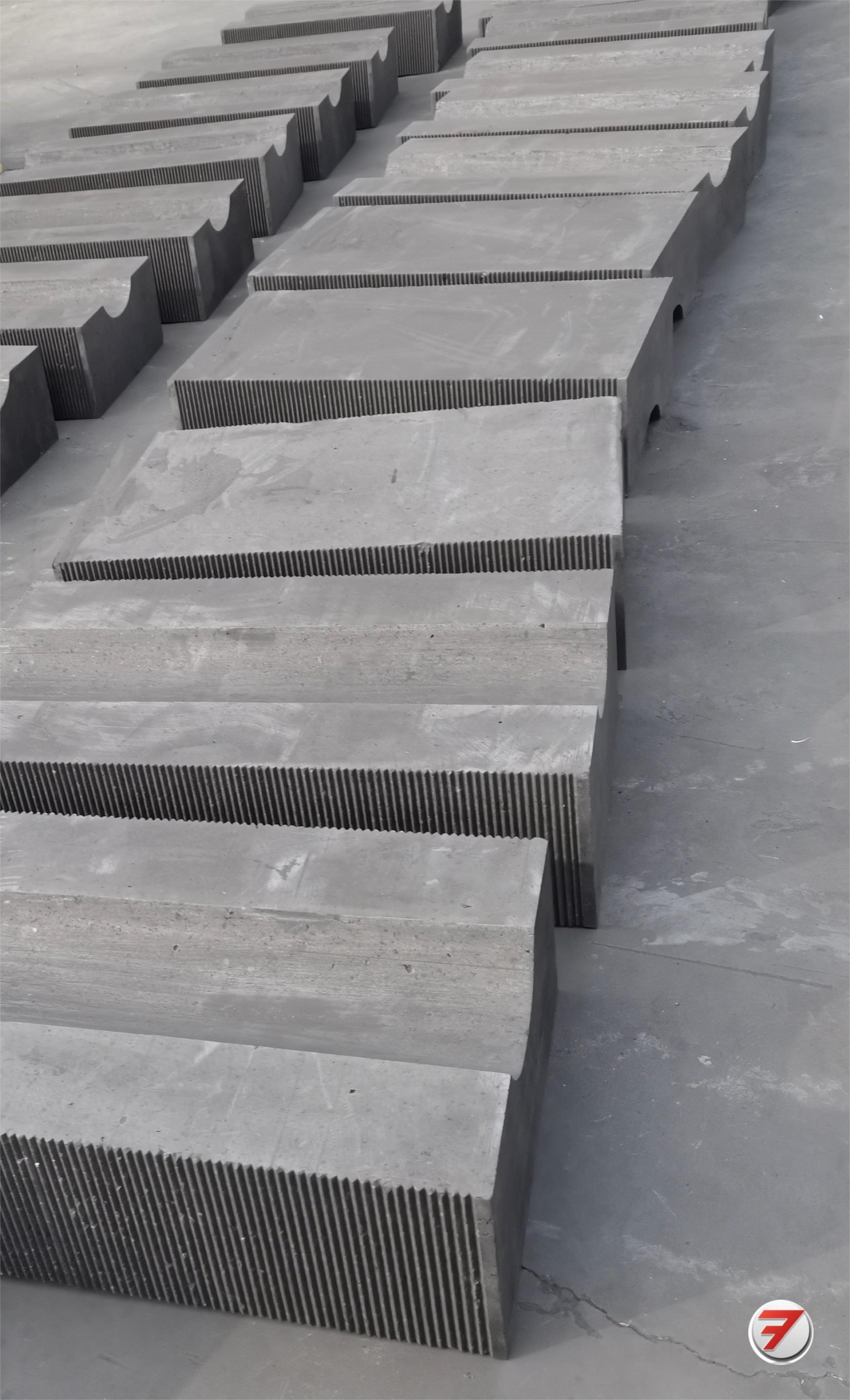
Isostatic graphite is a high-performance material known for its exceptional mechanical and thermal properties, making it increasingly popular in various industries, particularly in metallurgy and energy. The term "isostatic" refers to the isotropic pressure applied during its production process, which results in uniform properties in all directions. This characteristic sets isostatic graphite apart from other forms of graphite, which may exhibit anisotropic behavior.
One of the primary advantages of isostatic graphite is its remarkable strength-to-weight ratio. It can withstand high temperatures and thermal shock, making it ideal for applications that require durability under extreme conditions. This property is particularly beneficial in the production of electrodes for electric arc furnaces and in various components used in the semiconductor industry. The ability of isostatic graphite to maintain its integrity at elevated temperatures allows it to be used effectively in processes such as casting and machining of metals.
Furthermore, isostatic graphite's excellent electrical conductivity makes it a preferred choice for applications in energy generation and storage. It is often utilized in the production of batteries and fuel cells, where high conductivity is essential for efficient energy transfer. The material's stability under varying thermal conditions enhances the performance and longevity of these energy systems, contributing to more sustainable energy solutions.
The manufacturing process of isostatic graphite typically involves the use of high-quality petroleum or coal pitch as the precursor material. This precursor is subjected to isostatic pressing, where it is compressed under uniform pressure in a mold. The result is a dense and homogeneous material that undergoes further heat treatment to achieve the desired properties. This precision in production not only ensures high quality but also allows for the customization of isostatic graphite to meet specific industry requirements.
Another noteworthy feature of isostatic graphite is its resistance to chemical attack. This attribute makes it suitable for use in various corrosive environments, such as in chemical processing and waste management. By incorporating isostatic graphite into their designs, companies can enhance the durability and efficiency of their equipment, ultimately reducing maintenance costs and downtime.
In conclusion, isostatic graphite stands out as a versatile and high-performance material within the metallurgy and energy sectors. Its unique production process, coupled with its exceptional properties, positions it as a critical component in applications ranging from metal processing to energy generation. As industries continue to seek innovative solutions, isostatic graphite will likely play an increasingly important role in shaping the future of technology and materials science.
One of the primary advantages of isostatic graphite is its remarkable strength-to-weight ratio. It can withstand high temperatures and thermal shock, making it ideal for applications that require durability under extreme conditions. This property is particularly beneficial in the production of electrodes for electric arc furnaces and in various components used in the semiconductor industry. The ability of isostatic graphite to maintain its integrity at elevated temperatures allows it to be used effectively in processes such as casting and machining of metals.
Furthermore, isostatic graphite's excellent electrical conductivity makes it a preferred choice for applications in energy generation and storage. It is often utilized in the production of batteries and fuel cells, where high conductivity is essential for efficient energy transfer. The material's stability under varying thermal conditions enhances the performance and longevity of these energy systems, contributing to more sustainable energy solutions.
The manufacturing process of isostatic graphite typically involves the use of high-quality petroleum or coal pitch as the precursor material. This precursor is subjected to isostatic pressing, where it is compressed under uniform pressure in a mold. The result is a dense and homogeneous material that undergoes further heat treatment to achieve the desired properties. This precision in production not only ensures high quality but also allows for the customization of isostatic graphite to meet specific industry requirements.
Another noteworthy feature of isostatic graphite is its resistance to chemical attack. This attribute makes it suitable for use in various corrosive environments, such as in chemical processing and waste management. By incorporating isostatic graphite into their designs, companies can enhance the durability and efficiency of their equipment, ultimately reducing maintenance costs and downtime.
In conclusion, isostatic graphite stands out as a versatile and high-performance material within the metallurgy and energy sectors. Its unique production process, coupled with its exceptional properties, positions it as a critical component in applications ranging from metal processing to energy generation. As industries continue to seek innovative solutions, isostatic graphite will likely play an increasingly important role in shaping the future of technology and materials science.
Contact Us
E-mail:
Phone/WhatsApp:
+86 15711363051
Address:
Xingchuang International C912, Xinya Street No.15, Daxing District, Beijing, China



Contact
TEL: +8615711363051
EMAIL: sales@topflymaterial.com
ADD: Xingchuang International C912, Xinya Street No.15, Daxing District, Beijing, China