
Choosing the Right Graphite Electrode for Industrial Needs: A Comprehensive Guide
Jun 25,2026
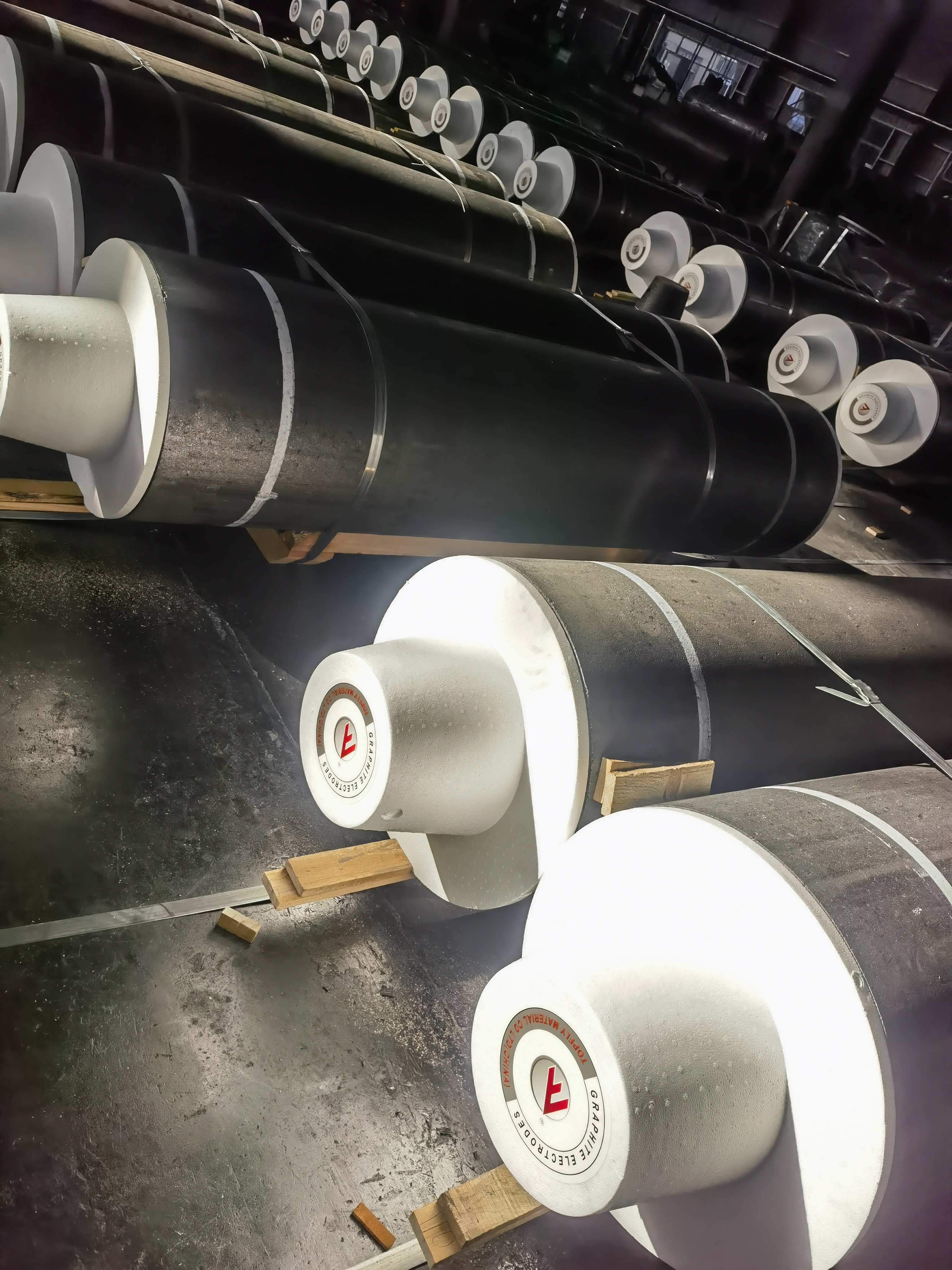
Choosing the Right Graphite Electrode for Industrial Needs
Table of Contents
1. Introduction to Graphite Electrodes
2. Understanding Graphite Electrode Applications
3. Types of Graphite Electrodes
3.1. Regular Power Graphite Electrodes
3.2. High Power Graphite Electrodes
3.3. Ultra High Power Graphite Electrodes
4. Factors Influencing the Selection of Graphite Electrodes
4.1. Conductivity and Purity
4.2. Mechanical Strength
4.3. Size and Shape
5. Performance Considerations in Graphite Electrodes
6. Cost Analysis of Graphite Electrodes
7. Frequently Asked Questions (FAQs)
8. Conclusion
1. Introduction to Graphite Electrodes
Graphite electrodes serve as a critical component in various industrial applications, primarily in electric arc furnaces (EAF) used for steelmaking. Their unique properties, such as excellent electrical conductivity and resistance to thermal shock, make them indispensable in metal production and other sectors. Choosing the right graphite electrode can significantly impact efficiency, production quality, and overall operational costs.
2. Understanding Graphite Electrode Applications
Graphite electrodes are utilized in multiple industries beyond steel manufacturing, including aluminum production, silicon metal production, and even in the foundry industry. The applications vary based on the specific requirements of the processes involved, including the need for high thermal conductivity, strength, and resistance to oxidation. Understanding these applications allows manufacturers and suppliers to tailor their offerings to meet specific industrial needs.
3. Types of Graphite Electrodes
When selecting graphite electrodes, it's essential to understand the different types available, as each serves unique purposes and applications.
3.1. Regular Power Graphite Electrodes
Regular power graphite electrodes are the most common type, primarily used in EAFs for steelmaking and in ladle furnaces. They are characterized by their good electrical conductivity and moderate thermal resistance. These electrodes typically handle moderate levels of current and are suitable for standard applications.
3.2. High Power Graphite Electrodes
High power graphite electrodes possess a higher density and lower resistivity than regular power electrodes. They are designed to carry more current and withstand higher temperatures, making them ideal for challenging industrial environments. These electrodes are often used in smelting processes where efficiency and performance are paramount.
3.3. Ultra High Power Graphite Electrodes
Ultra high power graphite electrodes are engineered for the most demanding applications. With exceptional thermal and electrical conductivity, they are capable of withstanding extreme conditions. These electrodes are typically used in specialized processes, such as the production of high-quality steel or other metal alloys, where performance cannot be compromised.
4. Factors Influencing the Selection of Graphite Electrodes
Understanding the factors that influence the selection of graphite electrodes is crucial for achieving optimal performance and cost-effectiveness.
4.1. Conductivity and Purity
The electrical conductivity of a graphite electrode is a critical factor. High purity graphite, with minimal impurities, provides superior conductivity and performance. Electrode manufacturers often provide detailed specifications regarding the purity levels of their products, allowing buyers to make informed decisions. Ensuring high conductivity not only improves efficiency but also prolongs the electrode's life.
4.2. Mechanical Strength
The mechanical strength of graphite electrodes is essential to withstand the physical stresses encountered during operation. Factors like density and the manufacturing process can influence strength. Quality electrodes should be robust enough to handle thermal shock and mechanical wear without breaking or degrading quickly.
4.3. Size and Shape
The size and shape of the graphite electrode should align with the specifications of the furnace or equipment it will be used in. Custom sizes may be necessary for specific applications, and manufacturers often provide options tailored to unique operational requirements.
5. Performance Considerations in Graphite Electrodes
The performance of graphite electrodes can be assessed through various metrics, including current density, temperature resistance, and oxidation resistance.
**Current density** quantifies how much electrical current the electrode can handle. Higher current densities may lead to increased heat generation, which can affect the electrode's lifespan.
**Temperature resistance** is vital for applications involving extreme heat. Electrodes that can withstand high temperatures without degrading significantly enhance operational efficiency.
**Oxidation resistance** is critical, especially in open furnaces where electrodes are exposed to air. High-quality electrodes resist oxidation, preserving their performance over time and reducing the frequency of replacements.
6. Cost Analysis of Graphite Electrodes
The cost of graphite electrodes can vary significantly based on various factors, including material quality, manufacturing processes, and market demand. While opting for the cheapest option may seem financially prudent, it often leads to increased operational costs due to lower performance and shorter lifespans.
Investing in high-quality electrodes may entail a higher initial expenditure but can result in substantial savings in the long run through reduced maintenance and replacement costs. Conducting a thorough cost-benefit analysis is advisable to ensure the best return on investment.
7. Frequently Asked Questions (FAQs)
**Q1: What is the primary use of graphite electrodes?**
A1: Graphite electrodes are primarily used in electric arc furnaces for steelmaking, as well as in other metal production processes.
**Q2: How do I choose the right type of graphite electrode for my application?**
A2: Consider factors like electrical conductivity, mechanical strength, size, and the specific requirements of your furnace or equipment.
**Q3: What are the differences between regular, high, and ultra-high power graphite electrodes?**
A3: Regular power electrodes are suitable for standard applications, whereas high power electrodes can handle more current and extreme conditions. Ultra-high power electrodes are designed for the most demanding applications with exceptional thermal and electrical conductivity.
**Q4: How can the purity of graphite affect performance?**
A4: Higher purity graphite ensures better electrical conductivity, which improves efficiency and prolongs the electrode's life.
**Q5: Are there custom sizes available for graphite electrodes?**
A5: Yes, many manufacturers offer custom sizes and shapes to meet specific operational requirements.
8. Conclusion
Selecting the right graphite electrode is a vital decision that can significantly impact the efficiency and success of industrial applications. By understanding the types, performance metrics, and cost considerations, companies can make informed choices that enhance their operations. Investing in high-quality graphite electrodes tailored to specific needs ensures optimal performance and long-term savings. Ultimately, the choice of graphite electrode should align with the unique demands of the intended application, paving the way for improved productivity and reduced operational costs.
Contact Us
E-mail:
Phone/WhatsApp:
+86 15711363051
Address:
Xingchuang International C912, Xinya Street No.15, Daxing District, Beijing, China



Contact
TEL: +8615711363051
EMAIL: sales@topflymaterial.com
ADD: Xingchuang International C912, Xinya Street No.15, Daxing District, Beijing, China