
Understanding the Benefits of Graphite Blocks in Metallurgy: A Comprehensive Analysis
Jun 12,2026
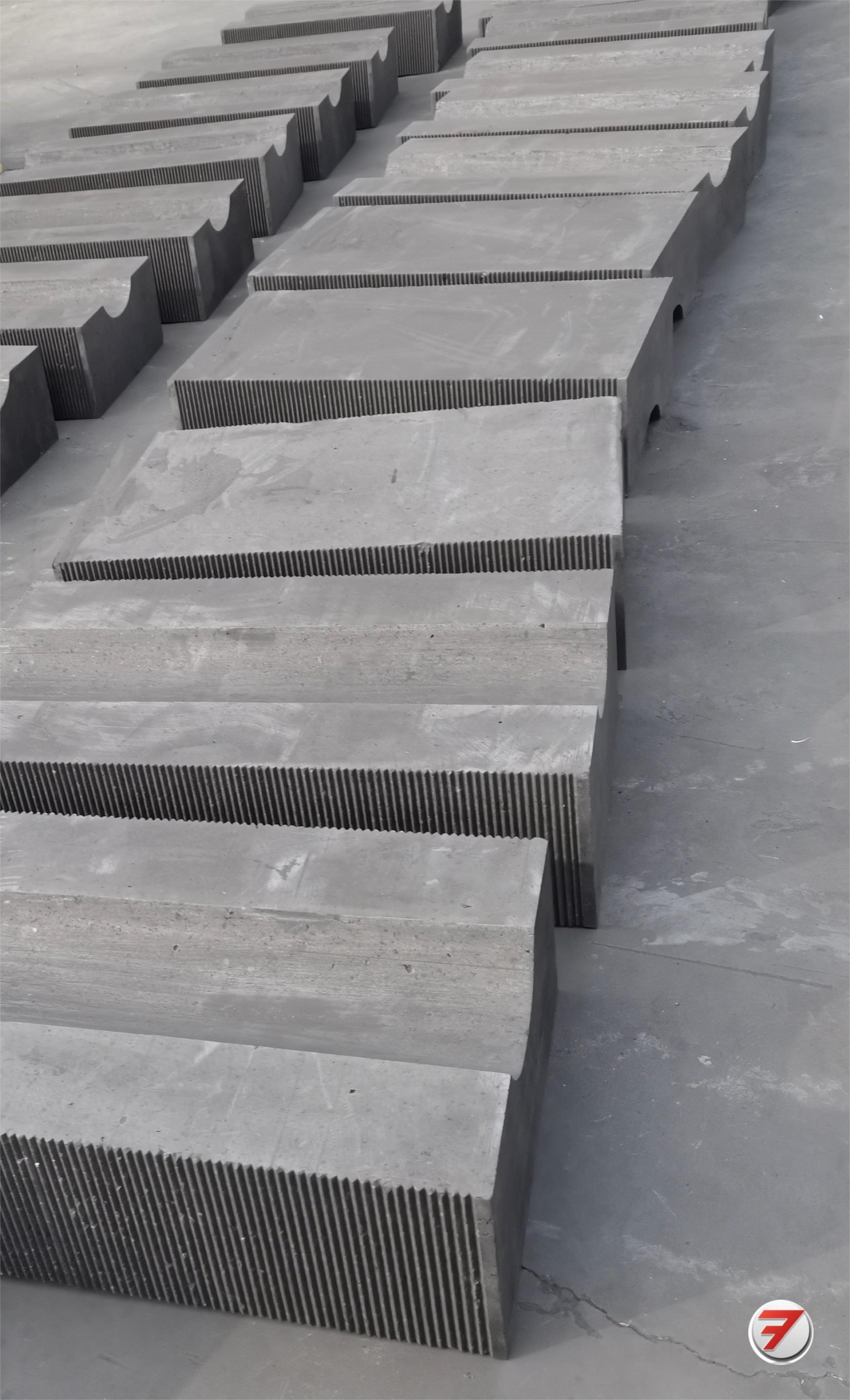
Understanding the Benefits of Graphite Blocks in Metallurgy
Table of Contents
- Introduction to Graphite Blocks
- What is Graphite?
- Properties of Graphite Blocks
- Applications of Graphite Blocks in Metallurgy
- Advantages of Using Graphite Blocks
- Sustainability and Environmental Impact
- The Future of Graphite in Metallurgy
- Conclusion
- FAQs
Introduction to Graphite Blocks
Graphite blocks have gained significant attention in the field of metallurgy due to their exceptional properties and wide-ranging applications. As a key material in various industrial processes, understanding the benefits of graphite blocks can help manufacturers and engineers make informed decisions regarding their use. This article delves into the properties, applications, and advantages of graphite blocks in metallurgy, providing a thorough understanding of their importance in modern industrial practices.
What is Graphite?
Graphite is a crystalline form of carbon that occurs naturally and can also be synthesized. Characterized by its layered structure, graphite exhibits unique properties such as high thermal and electrical conductivity, low thermal expansion, and excellent lubrication capabilities. These properties make graphite a versatile material suitable for various applications, particularly in metallurgy, where efficient heat and electrical conduction are crucial.
The Formation of Graphite
Graphite is formed through natural geological processes or synthetic methods. Natural graphite is found in three main forms: flake, amorphous, and lump. On the other hand, synthetic graphite is produced by heating carbon-rich materials at high temperatures in an inert atmosphere. This process results in a material that possesses superior characteristics compared to its natural counterparts, making it ideal for metallurgical applications.
Properties of Graphite Blocks
Graphite blocks are designed to leverage the inherent properties of graphite, making them suitable for various applications in metallurgy. Some critical properties include:
1. High Thermal Conductivity
Graphite blocks exhibit superior thermal conductivity, which allows them to efficiently transfer heat. This property is essential in metallurgical processes that require precise temperature control, such as smelting and casting.
2. Excellent Electrical Conductivity
In addition to thermal properties, graphite blocks also boast excellent electrical conductivity, enabling them to function effectively in applications that require electrical conduction, such as electrodes in electric arc furnaces.
3. Chemical Stability
Graphite is chemically stable at high temperatures and can resist oxidation in inert atmospheres. This stability is crucial in metallurgical processes where reactive materials are present.
4. Low Coefficient of Friction
Graphite blocks possess a low coefficient of friction, making them ideal for use in sliding contacts and bearings. This property reduces wear and enhances the longevity of equipment used in metallurgical processes.
5. Machinability
Graphite blocks can be easily machined into various shapes and sizes, allowing for customization in different applications. This machinability makes them a preferred choice in the production of complex components.
Applications of Graphite Blocks in Metallurgy
Graphite blocks are utilized in a variety of metallurgical applications, enhancing efficiency and performance across different processes. Some key applications include:
1. Electrodes in Electric Arc Furnaces
Graphite blocks are commonly used as electrodes in electric arc furnaces due to their excellent electrical conductivity and high thermal resistance. These electrodes facilitate the melting of metals, leading to efficient production processes.
2. Crucibles for Metal Casting
Graphite blocks are often used to manufacture crucibles, which are essential for melting and casting metals. Their high thermal conductivity ensures uniform heat distribution, resulting in superior casting quality.
3. Heat Exchangers
In metallurgical processes that involve heat exchange, graphite blocks can be employed as heat exchanger components. Their ability to withstand high temperatures while maintaining thermal efficiency makes them ideal for this application.
4. Components in Steel Production
Graphite blocks play a vital role in the production of steel, acting as linings for furnaces and converters. Their durability and thermal properties help enhance the efficiency of smelting processes.
5. Lubricants in Metal Forming
Due to their low friction properties, graphite blocks are also used as lubricants in metal forming processes. This application reduces wear on tools and improves the overall efficiency of operations.
Advantages of Using Graphite Blocks
The benefits of incorporating graphite blocks into metallurgical processes are numerous. Some key advantages include:
1. Enhanced Performance
The unique properties of graphite blocks contribute to improved performance in metallurgical applications. Their ability to withstand high temperatures and facilitate efficient heat transfer ensures optimal process conditions.
2. Cost-Effectiveness
While the initial cost of graphite blocks may be higher than alternative materials, their durability and efficiency lead to reduced maintenance and operational costs in the long run. This cost-effectiveness makes them a wise investment for manufacturers.
3. Increased Equipment Longevity
Graphite blocks are known for their longevity, and their resistance to wear and thermal degradation ensures that equipment remains operational for extended periods. This durability minimizes the need for frequent replacements, further reducing costs.
4. Flexibility in Design
The machinability of graphite blocks allows for flexibility in design, enabling manufacturers to create components tailored to specific applications. This versatility enhances the overall efficiency of metallurgical processes.
5. Reduced Environmental Impact
By utilizing graphite blocks, industries can benefit from reduced energy consumption and lower emissions during metallurgical processes. This aligns with the growing emphasis on sustainability in industrial practices.
Sustainability and Environmental Impact
As industries increasingly focus on sustainability, the use of graphite blocks in metallurgy contributes to eco-friendly practices. Their inherent properties lead to energy efficiency and reduced waste, making them a responsible choice for manufacturers.
1. Energy Efficiency
Graphite blocks significantly enhance energy efficiency in metallurgical processes. Their high thermal and electrical conductivity allows for reduced energy consumption, which translates into lower operational costs and reduced greenhouse gas emissions.
2. Recycling Potential
Graphite is a recyclable material, and used graphite blocks can be repurposed for various applications. This recycling potential reduces the demand for raw materials and supports sustainable manufacturing practices.
3. Low Emission Processes
The use of graphite blocks in metallurgical applications often results in lower emissions compared to traditional materials. This reduction in emissions is crucial in meeting environmental regulations and promoting cleaner industrial practices.
The Future of Graphite in Metallurgy
The future of graphite blocks in metallurgy looks promising as industries continue to explore innovative applications and advancements. Ongoing research and development efforts aim to enhance the properties of graphite, making it an even more valuable material in various metallurgical processes.
1. Advancements in Synthetic Graphite
Research into synthetic graphite production techniques is expected to yield materials with enhanced characteristics. These advancements may lead to improved performance in high-demand metallurgical applications.
2. Integration with Advanced Technologies
The integration of graphite blocks with emerging technologies, such as 3D printing and nanotechnology, opens up new possibilities for customization and efficiency in metallurgical processes.
3. Expanding Applications
As industries continue to evolve, new applications for graphite blocks in metallurgy are likely to emerge. The versatility of graphite ensures that it will remain a critical material in various sectors.
Conclusion
In summary, the benefits of graphite blocks in metallurgy are extensive and multifaceted. From their unique properties and diverse applications to their cost-effectiveness and sustainability, graphite blocks play a vital role in modern industrial practices. As technology continues to advance and the demand for efficient, eco-friendly solutions grows, graphite will undoubtedly remain an indispensable material in the field of metallurgy.
FAQs
1. What are graphite blocks used for in metallurgy?
Graphite blocks are used in various applications such as electrodes in electric arc furnaces, crucibles for metal casting, heat exchangers, and components in steel production.
2. Why are graphite blocks preferred over other materials?
Graphite blocks are preferred for their high thermal and electrical conductivity, chemical stability, low friction properties, and machinability, making them suitable for demanding metallurgical applications.
3. How do graphite blocks contribute to sustainability?
Graphite blocks promote sustainability by enhancing energy efficiency, reducing emissions, and offering recycling potential, aligning with eco-friendly manufacturing practices.
4. Are graphite blocks cost-effective in the long run?
Yes, although the initial cost of graphite blocks may be higher, their durability and efficiency lead to reduced maintenance and operational costs, making them a cost-effective choice over time.
5. What is the future of graphite in metallurgy?
The future of graphite in metallurgy includes advancements in synthetic production techniques, integration with advanced technologies, and expanding applications, ensuring its continued relevance in the industry.
Contact Us
E-mail:
Phone/WhatsApp:
+86 15711363051
Address:
Xingchuang International C912, Xinya Street No.15, Daxing District, Beijing, China



Contact
TEL: +8615711363051
EMAIL: sales@topflymaterial.com
ADD: Xingchuang International C912, Xinya Street No.15, Daxing District, Beijing, China