
Understanding Molded Graphite: Characteristics and Applications in Metallurgy
Jun 11,2026
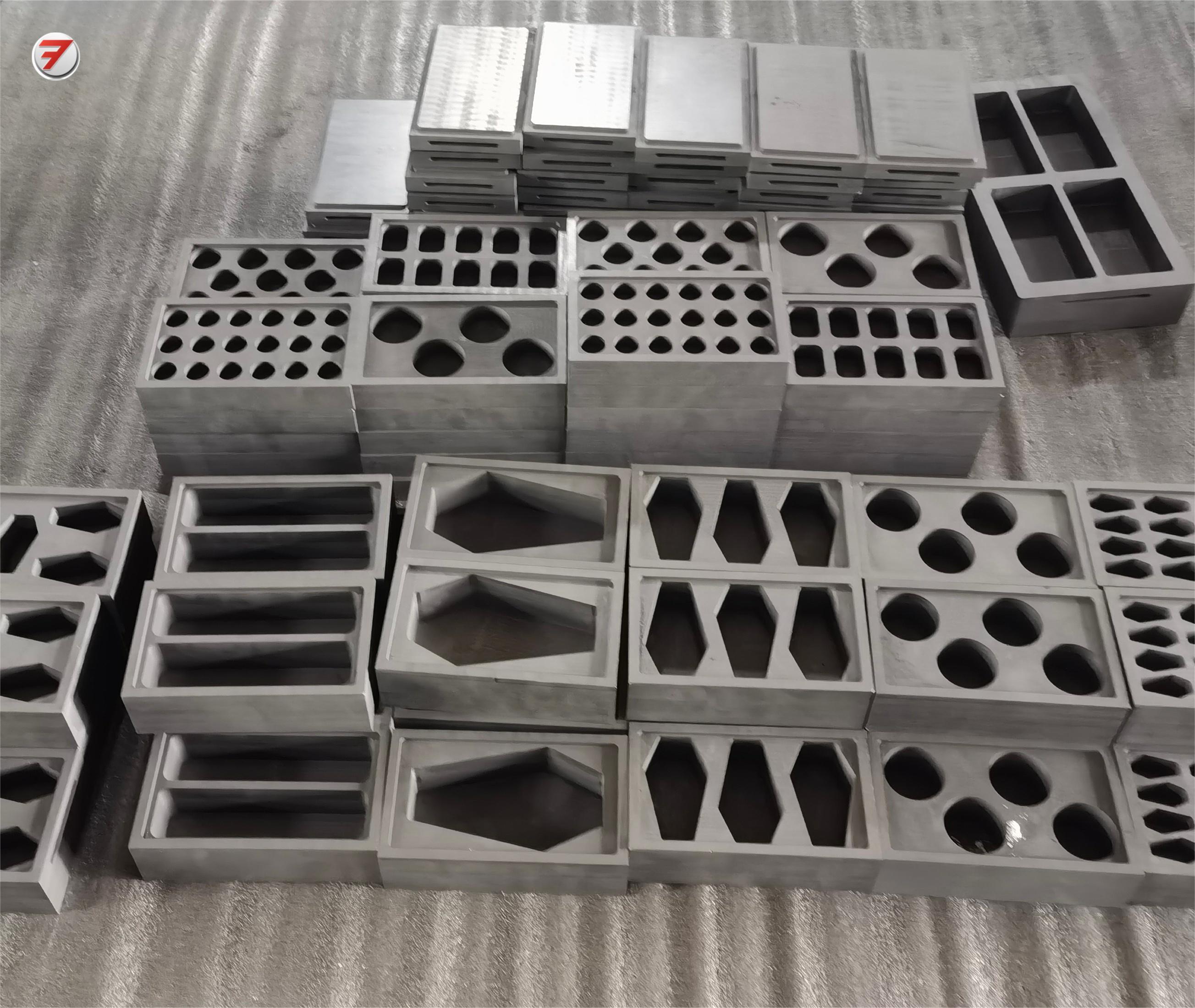
Molded graphite is a form of graphite that has been shaped through various molding processes, typically involving high-pressure compaction of graphite powders. This material is renowned for its excellent thermal conductivity, chemical resistance, and mechanical strength, making it a preferred choice in numerous industrial applications, especially within the metallurgy sector.
One of the primary characteristics of molded graphite is its high thermal conductivity, which enables efficient heat dissipation. This property is crucial in applications such as electrodes for electric arc furnaces, where temperature control is essential for optimal performance. The ability of molded graphite to withstand extreme temperatures while maintaining structural integrity further enhances its appeal in high-temperature applications.
Additionally, molded graphite exhibits remarkable chemical resistance, making it an ideal material for use in corrosive environments. This characteristic is particularly valuable in the production of components for chemical processing equipment, where exposure to various acids and other reactive substances is common. The resilience of molded graphite to degradation extends the lifespan of components, thereby reducing the frequency of replacements and maintenance efforts.
The manufacturing process of molded graphite typically involves several steps, including mixing, molding, and heat treatment. The initial mixing phase combines graphite powder with a binder material, which aids in achieving the desired strength and density. Following this, the mixture is subjected to high pressure in a mold, forming it into the desired shape. Finally, the product undergoes a heat treatment process, which enhances its mechanical properties and stability.
In the metallurgy and energy sectors, molded graphite is extensively utilized for producing crucibles, furnace linings, and other components that require both durability and thermal efficiency. The unique properties of molded graphite allow for improved performance in various metallurgical processes, including casting and smelting.
Furthermore, molded graphite is being explored for applications in energy sectors, particularly in the development of batteries and fuel cells. Its electrical conductivity and stability can contribute to advancements in energy storage and conversion technologies, aligning with the growing demand for sustainable energy solutions.
In summary, molded graphite stands out in the field of metallurgy and non-metallic mineral products due to its unique properties and diverse applications. As industries continue to evolve, the demand for innovative materials like molded graphite will likely expand, driving advancements in manufacturing processes and product development. Understanding the characteristics and potential applications of molded graphite is essential for professionals seeking to leverage its benefits in their respective fields.
One of the primary characteristics of molded graphite is its high thermal conductivity, which enables efficient heat dissipation. This property is crucial in applications such as electrodes for electric arc furnaces, where temperature control is essential for optimal performance. The ability of molded graphite to withstand extreme temperatures while maintaining structural integrity further enhances its appeal in high-temperature applications.
Additionally, molded graphite exhibits remarkable chemical resistance, making it an ideal material for use in corrosive environments. This characteristic is particularly valuable in the production of components for chemical processing equipment, where exposure to various acids and other reactive substances is common. The resilience of molded graphite to degradation extends the lifespan of components, thereby reducing the frequency of replacements and maintenance efforts.
The manufacturing process of molded graphite typically involves several steps, including mixing, molding, and heat treatment. The initial mixing phase combines graphite powder with a binder material, which aids in achieving the desired strength and density. Following this, the mixture is subjected to high pressure in a mold, forming it into the desired shape. Finally, the product undergoes a heat treatment process, which enhances its mechanical properties and stability.
In the metallurgy and energy sectors, molded graphite is extensively utilized for producing crucibles, furnace linings, and other components that require both durability and thermal efficiency. The unique properties of molded graphite allow for improved performance in various metallurgical processes, including casting and smelting.
Furthermore, molded graphite is being explored for applications in energy sectors, particularly in the development of batteries and fuel cells. Its electrical conductivity and stability can contribute to advancements in energy storage and conversion technologies, aligning with the growing demand for sustainable energy solutions.
In summary, molded graphite stands out in the field of metallurgy and non-metallic mineral products due to its unique properties and diverse applications. As industries continue to evolve, the demand for innovative materials like molded graphite will likely expand, driving advancements in manufacturing processes and product development. Understanding the characteristics and potential applications of molded graphite is essential for professionals seeking to leverage its benefits in their respective fields.
Contact Us
E-mail:
Phone/WhatsApp:
+86 15711363051
Address:
Xingchuang International C912, Xinya Street No.15, Daxing District, Beijing, China



Contact
TEL: +8615711363051
EMAIL: sales@topflymaterial.com
ADD: Xingchuang International C912, Xinya Street No.15, Daxing District, Beijing, China